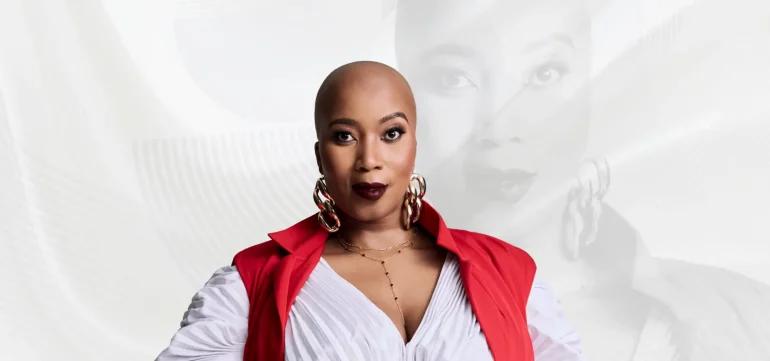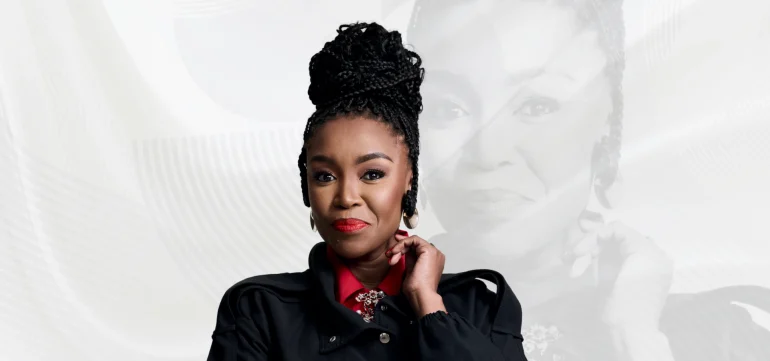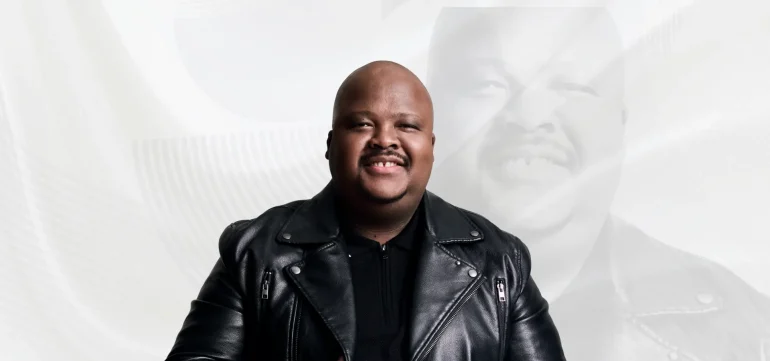
The Kaya Breakfast team and listeners debate where respect ends and sucking up begins.
Katlego Sekhu

If you’ve ever hesitated before greeting a colleague at work, wondering whether the term of endearment on the tip of your tongue reads as respect or as sucking up, Kaya Breakfast‘s recent Fresh Talk was for you.
The conversation was sparked by a moment that’s been doing the rounds this week: at the Madlanga Commission, advocate Fidel Adams referred to the commissioner as “Chief” and was pulled up on it, twice.
“Good morning, Mr Adams. You reprimanded me on two occasions yesterday for referring to you as Chief.”
“I just want to firstly apologise if there was any slight, no harm was intended. In my view, and in the manner I speak to you, it was meant as a term of respect. But I do understand that the term of respect required at this stage is Commissioner, not Chief. And I profusely apologise.”
It’s a small moment, but it opened up a much bigger conversation on the show: how do you address people older than you, or senior to you, at work, without it tipping into either overfamiliarity or flattery?
The Kaya Breakfast team didn’t agree on much, which made for good radio. DJ Fresh was firm that there’s a ceiling to how far they’ll go:
“I don’t know how to suck up, unfortunately. I’ll call you the respect that you have. So if you’re a doctor, I’ll call you doctor. If you’re older than you, I’ll call you mama or pa. But that’s the full extent of what I’m going to do or say. You’ll not hear anything beyond that.”
But that raised its own question: whether using terms like mama or pa with a senior black colleague, but not with a white colleague in the same position, says something in itself:
“You are not calling a white person who is in a senior position papa or mama… So then, it would be seen as, are you trying to disarm her?” said Thato.
The counterpoint was code-switching, not hypocrisy:
“Often we code switch according to who we’re speaking to, not just whether it’s seniority or not. Because you are black and we were raised in a certain way, I’ll refer to you in a certain way out of respect, not because I’m sucking up. But if Jacques says, don’t call me Uncle Jacques, then I’ll say, yeah, sure, I’ll call you Oom,” said Fresh.
When respect gets in the way of accountability
One of the sharper points raised was about power, not politeness. If you call a colleague “Mama” or “Chief,” can you still hold them accountable when they’re wrong? Thato added.
“At the point that we are all on an equal footing, you are not my mother. We are all equal, and if you do something wrong, I need to be able to call you out. But the moment I start calling you Mama, it becomes very difficult to then call you out when you are out of line,” said Mpho Maboi.
Even newsrooms aren’t immune
Broadcast rules say guests and colleagues should be referred to by their first names for professionalism, but that’s not always how it plays out in practice:
“On air, you’re not allowed to refer to someone as Ntate Fresh, because professionally, I should call you by your name. But then there are some guests, they want you to say Ntate, and then the professionalism falls out,” said Mbali Thethane.
She added that the reverse is just as real, refusing to suck up came at a cost:
“When I once worked in a certain newsroom, there were people who would suck up to some of the bosses, and they would call them Boss and things like that. And when I would refuse to suck up, I got burnt.”
To hear the full discussion, listen to the podcast.
Read Next: