Zuko Komisa
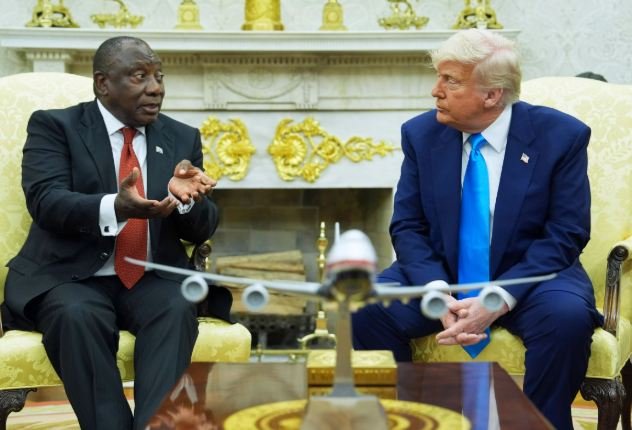
On Wednesday, U.S. President Donald Trump confronted South African President Cyril Ramaphosa with unsubstantiated claims of “white genocide” and widespread land seizures, echoing the contentious tone of his past interactions with foreign leaders.
During the talks, President Trump reportedly pressed President Ramaphosa on allegations that have gained traction within certain conservative circles in the U.S. but are widely debunked by human rights organizations and data from South Africa itself. Claims of a systematic targeting and killing of white farmers and widespread uncompensated land expropriation were key discussion points.
However, statistics paint a different picture. While South Africa does grapple with one of the world’s highest murder rates, the overwhelming majority of victims are Black, not white. The issue of land reform in South Africa is a complex and sensitive one, aimed at addressing historical injustices from the apartheid era, but it is not characterized by widespread, uncompensated seizures or a targeting of white landowners.
Point of View with Phemelo Motene spoke to Senior Research Fellow for African Diplomacy and Leadership at the University of Johannesburg, Dr Oscar Van Heerden on the importance of resetting the turbulent diplomatic relationship between the two countries.
Mixed reactions emerge from public discussion
The heated exchange in Washington quickly became a focal point of public discourse, particularly in South Africa.
Siz The World offered a sobering, absorbing and well-thought analysis of the diplomatic encounter and Kaya 959 listeners shared a range of reactions, reflecting a divided public opinion.
Listen to the full conversation here:
READ NEXT: Gqeberha abducted infants found safe
![[WATCH PODCAST] Kabelo Mabalane teams up with The Arrows for infectious comeback track ahead of 10th studio album](https://www.kaya959.co.za/wp-content/uploads/2026/10/KAYA-959-THUMBNAILS-1170x658.png)
![[WATCH PODCAST] Kabelo Mabalane teams up with The Arrows for infectious comeback track ahead of 10th studio album](https://www.kaya959.co.za/wp-content/uploads/2026/10/KAYA-959-THUMBNAILS-100x100.png)