
By: Natasha Archary
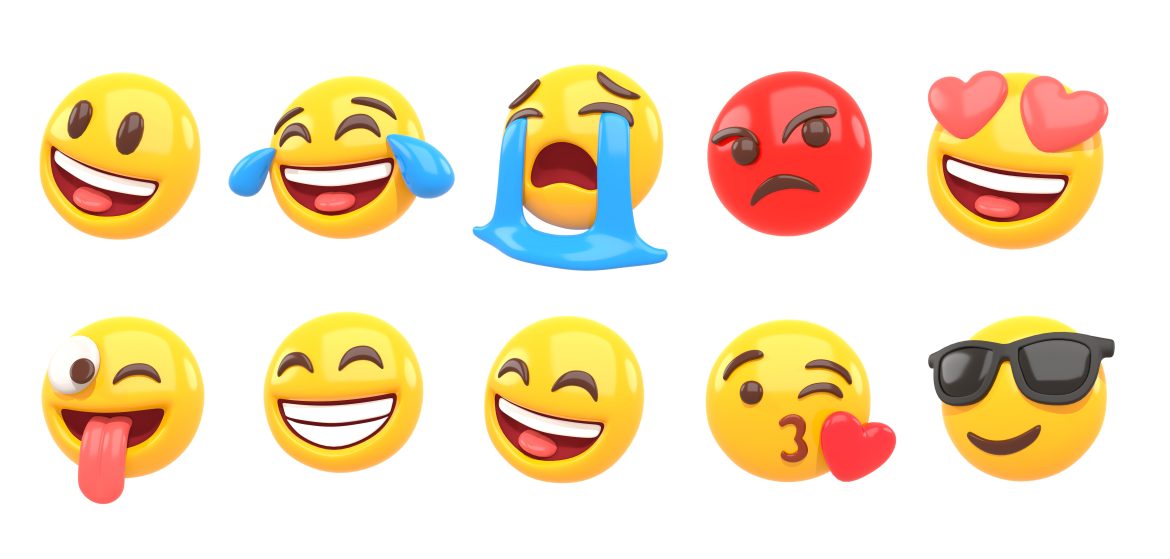
The emojis we use when we text says a lot about our emotions, thoughts and behaviours, becoming a big part in how we communicate.
Thanks to the digital age, the need for lengthy responses has become somewhat redundant because one emoji can sum up everything we wish to convey with a face, or gesture.
Research published by Science Direct provides valuable insights into our emotions, thoughts and behaviours.
This shows that emojis are strategic in expressing non verbal cues in digital interactions today.
Media and Communications Strategist, Julius Omokhunu shared 10 commonly used emojis and what they mean on LinkedIn.
A list of the 10 commonly used emojis and what they mean:
- 😂 – This emoji is often used to convey laughter, but it can also indicate a desire to deflect or avoid serious conversations.
- 🤔 – The thinking face emoji suggests contemplation or consideration, but it can also indicate uncertainty or confusion.
- 🙏 – This emoji can convey gratitude or a desire for peace, but it can also suggest a need for reassurance or validation.
- 💩 – The poop emoji might seem like a joke, but it can actually be used to express dissatisfaction or disgust.
- ❤️ – The heart emoji is often associated with love and affection, but it can also convey sympathy or empathy.
- 🤬 – The angry face emoji is a clear indicator of frustration or anger, but it can also suggest a lack of emotional control.
- 🤗 – The hugging face emoji can indicate warmth and friendliness, but it can also suggest a desire for intimacy or attention.
- 🤢 – The nauseated face emoji is a clear indication of disgust or illness, but it can also be used to express a sense of moral disgust.
- 🥺 – This emoji, known as the pleading face, suggests a desire for sympathy or help, but it can also convey a sense of emotional manipulation.
- 🤑 – The money-mouth face emoji can indicate a desire for wealth or success, but it can also suggest a lack of ethical values.
Everyone has their own style of texting and while some may prefer to use short-hand texting, others may prefer to type out every word to lengthy perfection to get a point across.
Growing up in the digital age however means that the way we communicate is changing and more people opt to send voicenotes instead of typing a text because it’s a more personal approach.
Listen to the conversation on Drive 959:
Also read: Do you fake a smile with people you have beef with?




![[WATCH PODCAST] Mr. Mercedes drops highly anticipated project, joining forces with Thabo Smol and Spice Drums](https://www.kaya959.co.za/wp-content/uploads/2026/10/KAYA-959-THUMBNAILS-79-100x100.png)
![[WATCH PODCAST] Tumisho Masha commands the screen as colonel Jack Phatudi in M-Net’s new must-watch series](https://www.kaya959.co.za/wp-content/uploads/2026/10/KAYA-959-THUMBNAILS-78-100x100.png)