By: Natasha Archary
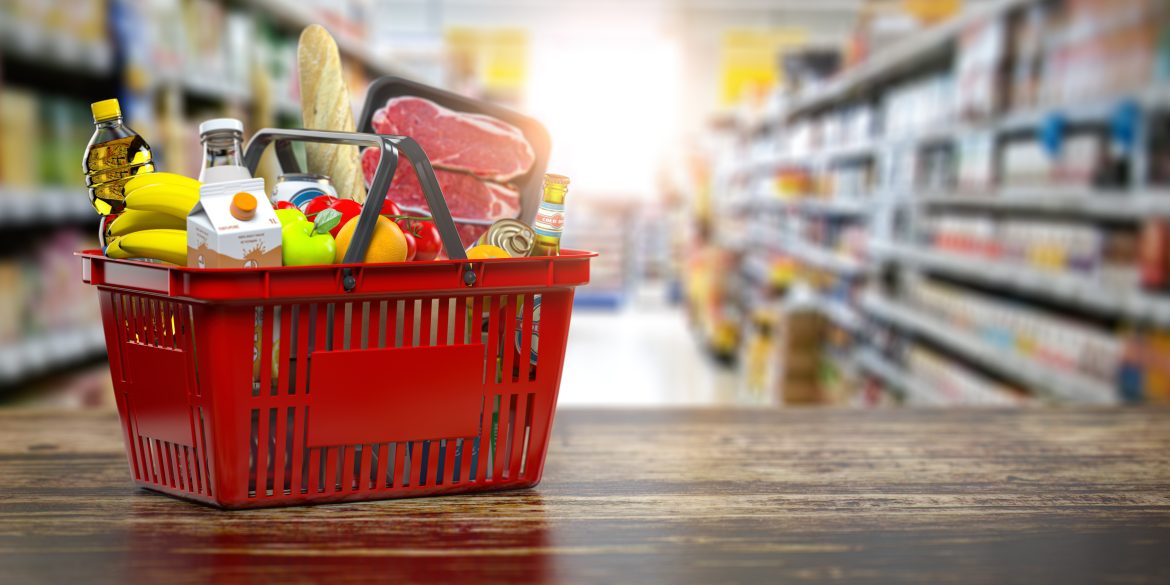
Thabile Nkunjana, Senior Economist at the Trade Research Unit joins Gugulethu Mfuphi on Kaya Biz to talk about the average South African food basket increasing to 11.5%.
The year-on-year increase in the food prices is much higher than the cost of inflation in the country, and Thabile says a number of factors have contributed to this.
“When you compare the cost of food on a month to month basis there has been a slight reprieve but in terms of year-on-year costs there have been issues with chicken products, and the shortage of eggs which affected the country due to avian flu.
Of course there’s also the import of certain fruits and vegetables and the prices there have also been affected due to global factors, all of which have led to the average cost of food baskets increasing.”
According to the National Agricultural Marketing Council, the increase for 28 items increased by 11.5%.
This means that the cost of the urban food basket in January 2024 increased from R1 239.59 in December 2023 to R1 261.29.
The National Agricultural Marketing Council’s (Namc) 28-item urban food basket increased by 11.5% year-on-year.
Compared to rural consumers, urban consumers spent more on Ceylon/black tea which noted the most substantial price difference of R5.46.
This was followed by:
- white sugar at R2.24
- peanut butter at R1.41
- a loaf of brown bread at R1.07
- a loaf of white bread at 78c
- maize meal at 71c
- bananas at 60c
- rice at 49c
- sunflower oil at 9c
On average, urban consumers paid 84c more for these 11 food items.
This information highlights noteworthy variations in food item costs across different geographical areas.
Listen to the conversation on Kaya Biz:
Also read: “You are overreacting” – Things you don’t want to hear from your partner when you’re angry