
By: Natasha Archary
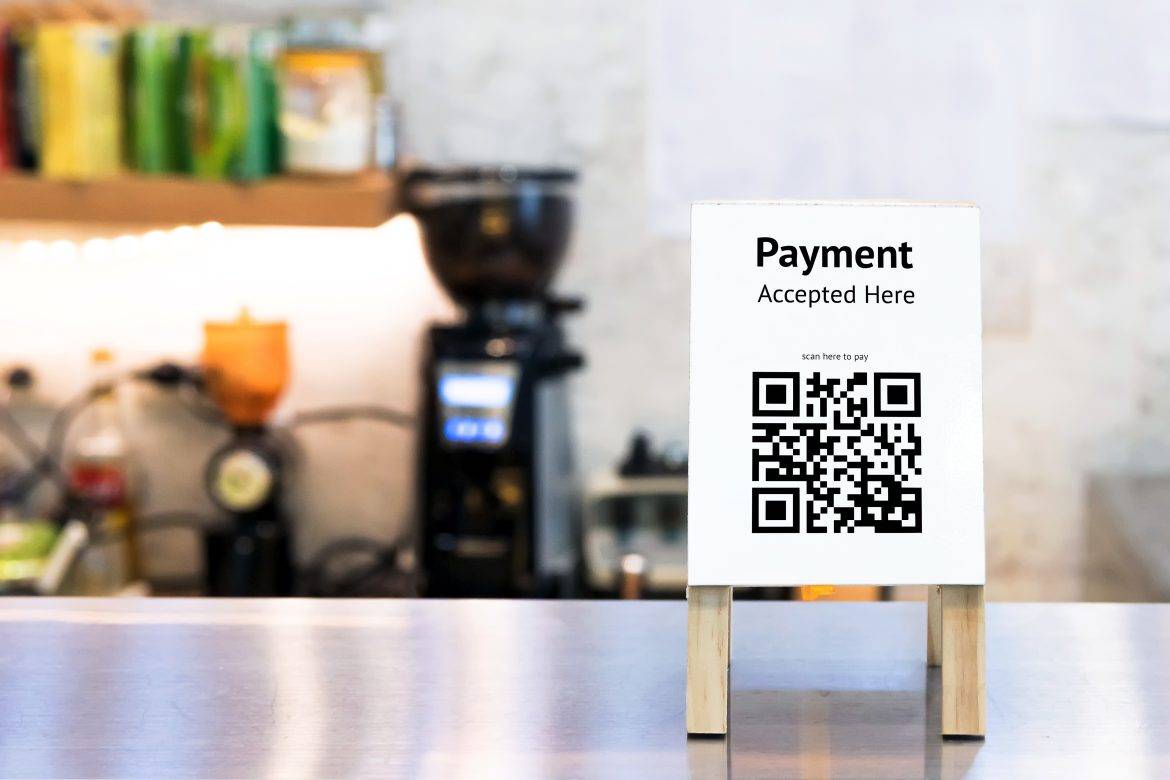
After Woolworths shared over the weekend that it’s making a switch at its café to no longer accept cash from 16 January, social media users were up in arms about the change.
Many took the move negatively, saying they would no longer be supporting the retailer because they will not be controlled and forced to comply with rules.
Others shared their experiences with having their bank accounts frozen, and being stranded with no means of accessing their funds, which is why they prefer to have cash on hand.
Issues of exclusion, and inequality was highlighted once again, but the question that Thomas raised on Kaya Drive is whether South Africa is ready to go cashless?
Listeners weighed in and shared their concerns and opinions, pointing out the subliminal conditioning that is gradually happening as South Africa joins the rest of the world by adopting cashless payment methods.
With the lowest income workers accounting for the country’s highest cash users, and informal traders are hesitant to adopt cashless payment methods
What’s more is that a majority of South Africans do not have bank accounts, nor the means to go to a bank to manage their finances, let alone have access to internet banking.
Listen to the conversation on Kaya Drive:
Is SA ready to go cashless?
Tumelo Ramugondo, Head of Credit Card at Standard Bank SA joined Gugulethu Mfuphi on Kaya Biz to unpack if South Africa is ready to go cashless and what are some of the payment trends the bank has seen post the Covid-19 pandemic.
According to Tumelo, there’s only a small percentage of South Africans who tap their cellphonesor smart watches, or scan to pay when making a transacation.
He says it’s predominantly iPhone users who opt to tap their phones, and says the convenience is that smaller value transactions don’t require a pin, so it makes for quick “in and out” payments.




![[WATCH PODCAST] Mr. Mercedes drops highly anticipated project, joining forces with Thabo Smol and Spice Drums](https://www.kaya959.co.za/wp-content/uploads/2026/10/KAYA-959-THUMBNAILS-79-100x100.png)
![[WATCH PODCAST] Tumisho Masha commands the screen as colonel Jack Phatudi in M-Net’s new must-watch series](https://www.kaya959.co.za/wp-content/uploads/2026/10/KAYA-959-THUMBNAILS-78-100x100.png)