
Katlego Sekhu
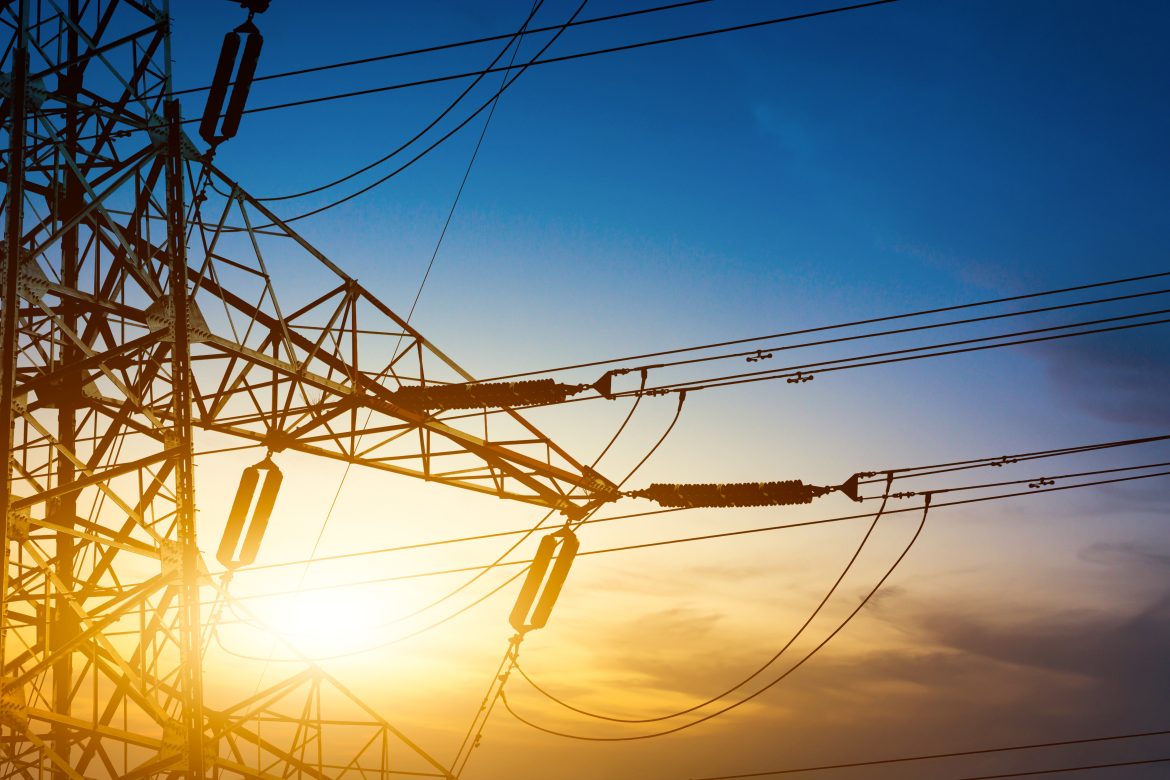
As South Africans brace for yet another round of electricity tariff hikes, many households are left asking the same question: “Why is electricity getting so expensive, and what can we do about it?”
With both Eskom and municipalities set to implement new charges, the average consumer could soon see a significant increase in their monthly electricity bill.
On Drive 959, energy analyst Chris Yelland broke down the reasons behind the rising costs and the complicated regulatory environment that shapes what you pay for power.
At the heart of the issue is NERSA, the National Energy Regulator of South Africa, which is responsible for reviewing and approving the tariffs proposed by Eskom and local municipalities.
Yelland explained that their role is to scrutinise every cost item and determine which expenses should be passed on to the consumer.
“The job of the regulator is to critically analyse every cost item in Eskom and the municipality, and to decide which should be allowed to pass through the tariff and which should not,” he said.
“By law, they’re only allowed to approve costs that are efficiently and prudently incurred.”
But balancing the books isn’t easy.
“On one hand, the regulator must look after the interests of the customer. But on the other, they must also ensure the financial sustainability of Eskom and the municipalities. If these entities can’t remain financially viable, they won’t be able to deliver the basic services they’re mandated to provide,” Yelland added.
To hear the full discussion, listen to the podcast.
Read Next: SA will be charged a tariff of 30% by the US starting on August 1st

![[WATCH PODCAST] Mr. Mercedes drops highly anticipated project, joining forces with Thabo Smol and Spice Drums](https://www.kaya959.co.za/wp-content/uploads/2026/10/KAYA-959-THUMBNAILS-79-1170x658.png)

![[WATCH PODCAST] Mr. Mercedes drops highly anticipated project, joining forces with Thabo Smol and Spice Drums](https://www.kaya959.co.za/wp-content/uploads/2026/10/KAYA-959-THUMBNAILS-79-100x100.png)
![[WATCH PODCAST] Tumisho Masha commands the screen as colonel Jack Phatudi in M-Net’s new must-watch series](https://www.kaya959.co.za/wp-content/uploads/2026/10/KAYA-959-THUMBNAILS-78-100x100.png)