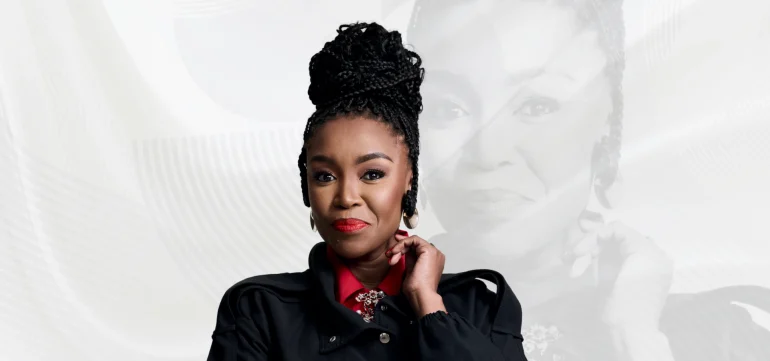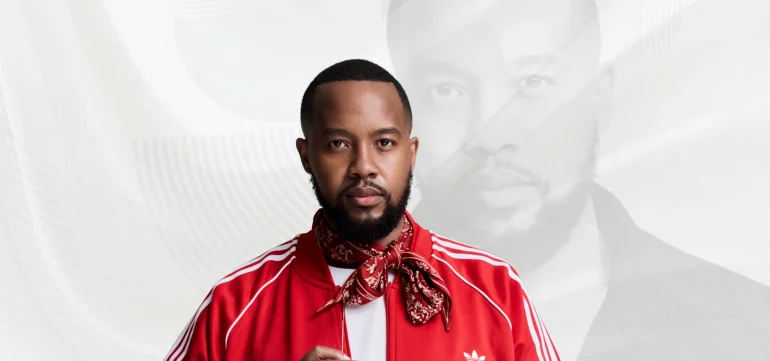

Dohne Damons, Tunicia Phillips, Nosipho Radebe
2023 in South Africa marks the 11th anniversary of the tragic Marikana Massacre that happened on 16 August 2012.
The fourth annual Marikana Commemoration Lecture was held by Sibanye-Stillwater on Monday. The event aims to honour, engage and create sustainable developments with multi-stakeholders for a better future.
The overall theme of the lecture reflects on the past to heal and honour the positive change that corporate South Africa currently spearheads.
A look back at unaddressed concerns and unfulfilled promises
The Marikana Massacre, which unfolded on 16 August 2012, was a tragic event that left 34 miners dead and many more injured during a strike at the Lonmin mine.
Nine years following the tragedy, Tunicia Phillips, a journalist from Kaya 959, who closely followed the developments, found that the concerns of the affected miners had been largely unaddressed. Little had changed for the families who lost their loved ones. Despite promises and commitments, justice remained elusive, and those responsible for the deaths were yet to be held accountable.
Present Corporate Reflection and Positive Change
On the occasion of the 11th anniversary, Sibanye-Stillwater, the company that acquired Lonmin in 2019, held its fourth annual Marikana Commemoration Lecture. The virtual event aimed to reflect on the journey of renewal, engagement, and commitment, with a focus on investing in sustainable operations, communities, and people. The keynote speaker was Imtiaz Sooliman, the founder of Gift of the Givers.
Sooliman’s keynote speech recounted the efforts of Gift of the Givers during the strike, where they provided assistance to the hungry miners and their families. He highlighted the challenges they faced when they were asked to stop providing food, under the assumption that hunger might quell the strike. Sooliman responded by doubling the portions of food, underlining the importance of compassion and solidarity in times of crisis.
He emphasized the positive change that has emerged from the challenges of the COVID-19 pandemic, where many corporates shifted their focus towards aiding communities rather than just pursuing BEE scores and publicity. Sooliman stressed the necessity for unity among the government, corporates, and religious sectors to bring about genuine change and healing.
A Glimmer of Hope Amidst the Grief
Among those directly affected by the Marikana Massacre is Amina Fundi, who lost her father during the tragic event. Fundi, who was only a child at the time, recalled the profound impact the loss had on her faith and worldview. However, now at the age of 20, she has chosen to focus on the silver lining amidst the darkness.
Fundi has channeled her energy into a positive direction, working towards the growth and betterment of her own life. She believes that by building on her father’s values of character development, faith, and intellectual curiosity, she can honor his memory while striving for a brighter future.
The Search for Justice Continues
The families of those who lost their lives are still seeking answers and accountability. They need the National Prosecuting Authority (NPA) to respond to calls for when police who were involved will be prosecuted.
The Socio-Economic Rights Institute of South Africa (SERI), an organization representing the widows and families of the victims, has been at the forefront of this quest for justice. They voice the concerns of the families who feel that the NPA has fallen short in protecting their interests and ensuring that those responsible for the tragedy are brought to justice.
Executive Director at SERI Nomzamo Zondo says the affected families are committed to seeking justice:
Now Read: City Power rolls out smart meters at no cost to customers
We value your feedback:
[vfb id=97]
![[WATCH PODCAST] Kabelo Mabalane teams up with The Arrows for infectious comeback track ahead of 10th studio album](https://www.kaya959.co.za/wp-content/uploads/2026/10/KAYA-959-THUMBNAILS-1170x658.png)
![[WATCH PODCAST] Kabelo Mabalane teams up with The Arrows for infectious comeback track ahead of 10th studio album](https://www.kaya959.co.za/wp-content/uploads/2026/10/KAYA-959-THUMBNAILS-100x100.png)