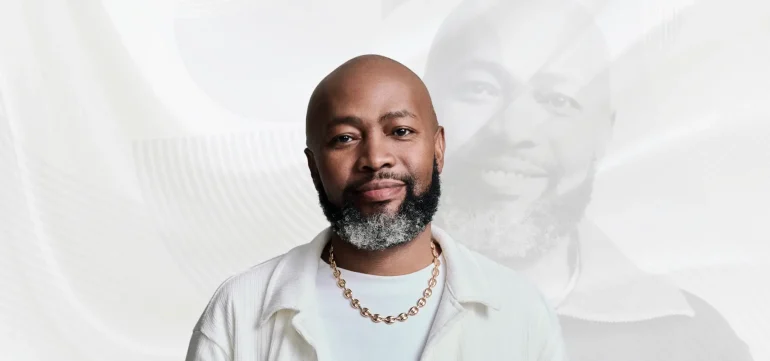

Award-winning vocalist and songwriter Mbuso Khoza, is an avid cultural and heritage enthusiast, has been very instrumental in reviving Amahubo and has previously performed at events attended by the late King Goodwill Zwelithini.
Khoza recently joined Kaya Breakfast to share his knowledge on the passing of monarch and the importance of our heritage as Africans.
Also Read: South Africa needs a fresh national imagination: here are some ideas(Opens in a new browser tab)
Africans need to have knowledge of self
Khoza expressed the urgency that Africans need to start having when it comes to who they are. He further spoke about how the king’s death reminds us of the dangers of losing our identity.
“It’s really dangerous that we don’t have knowledge of self, I think the passing should be more like an alarm to remind us of who we are and the dangers of losing our heritage. The presence of the king symbolizes the identity of who were, our histories.”
He also reflected on the life of King Goodwill Zwelithini and how he was a very passionate and well-balance leader that cared about the scourges affecting society, from drug abuse to gender-based violence. He also spoke on how he was receptive to other’s views in society.
Also Read: Condolences pour in for King Goodwill Zwelithini(Opens in a new browser tab)
The role of the King
Khoza spoke about the dangers of dismantling traditional leadership in Africa and how this will lead to a loss of our multi-cultural and rich heritage.
“Sometimes you hear people say what is the role of the king and a monarchy, in modern-day? Do we still need traditional leadership in the modern-day because it’s no longer like before? For me, the problem is that if we dismantle this institution, we will have a problem.” He said.
Mbuso currently lives in Durban where he is working on finalizing a project that was commissioned by the Zulu King. He is also working within his community.
As a historian, he continues to share his knowledge on the history of the Zulu Nation’s history
through song, dance and Amahubo,, which Khoza explains is a form of prayer. This rare style of music serves as a scroll of the nation; because the songs ate associated with the very beginning of time whenNguni people were in control of their destiny.




![[WATCH PODCAST] Mr. Mercedes drops highly anticipated project, joining forces with Thabo Smol and Spice Drums](https://www.kaya959.co.za/wp-content/uploads/2026/10/KAYA-959-THUMBNAILS-79-100x100.png)
![[WATCH PODCAST] Tumisho Masha commands the screen as colonel Jack Phatudi in M-Net’s new must-watch series](https://www.kaya959.co.za/wp-content/uploads/2026/10/KAYA-959-THUMBNAILS-78-100x100.png)