By: Natasha Achary
A panel of C-Suite executives join Gugulethu Mfuphi on Kaya Biz for a special broadcast to reflect on the year that was.
In Part 1, Dineo Molefe, CFO of MTN SA covered a range of topics affecting the telecoms industry which was massively hit by the rolling blackouts.
Anbann Chetti, CFO of African Bank touched on how the bank performed this year as well as give insight into how African Bank will fine-tune its home loan proposition before taking it to market.
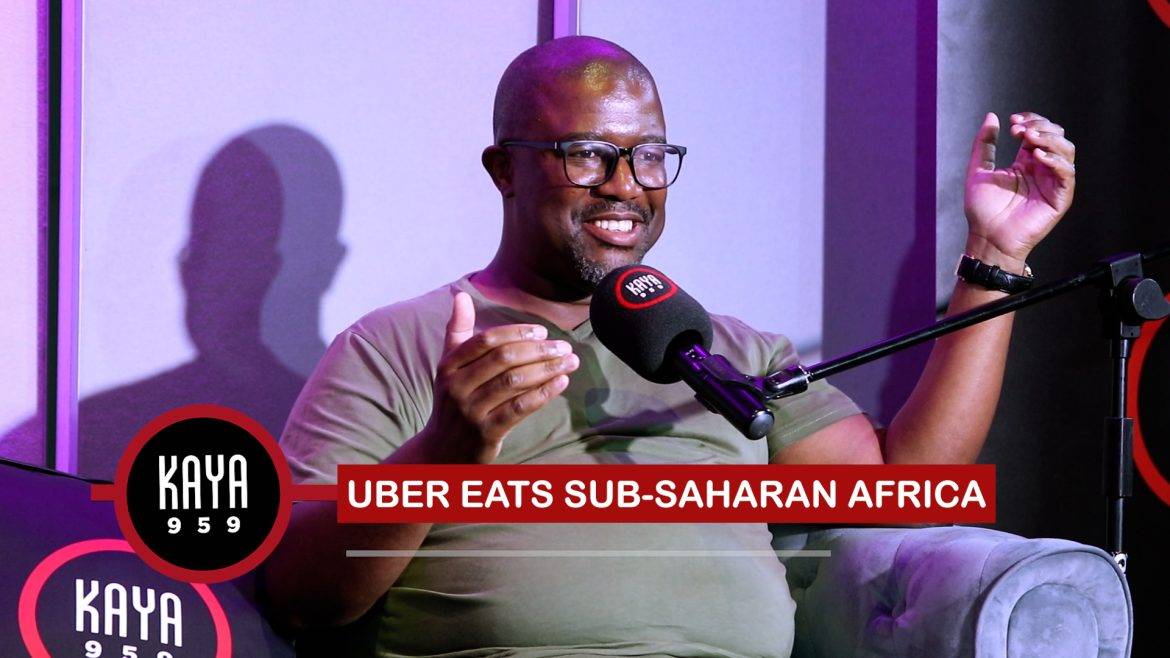
The panel included Nakampe Molewa, General Manager of Uber Eats for Sub-Saharan Africa who shared how loadshedding has pushed up orders for takeaway meals and convenience foods.
“We cannot ignore South Africa, you will hear those “doomsday” stories about the country, and yes people are struggling, but yet we remain a powerhouse.
Gauteng is the 7th biggest economy in the continent, and the province cannot be ignored.
Uber Eats in South Africa is a pretty formiddable business, having started in 2016, there was a lot of resistance because many didn’t understand why one would need to place an order for food on an app when you could just call an outlet or drive through.
After Covid, people started seeing the benefit of Uber Eats, for the convenience, efficiency and array of options.”
Loadshedding has meant 40% of South Africans have had to resort to buying takeaway meals and convenience foods this year.
PwC’s latest Global Consumer Insights Survey, shows this trend is a growing preference for ready-to-eat options during periods of power outages.
Similarly, 50% have changed the type of products they purchase to those that are less reliant on electricity and last longer.
WATCH: Nakampe Molewa, General Manager of Uber Eats for Sub-Saharan Africa shares how loadshedding pushed up orders for takeaway meals and convenience foods
Also read: Kaya Biz: C-Suite Discussion Part 2 with Anbann Chetti
![[WATCH PODCAST] Kabelo Mabalane teams up with The Arrows for infectious comeback track ahead of 10th studio album](https://www.kaya959.co.za/wp-content/uploads/2026/10/KAYA-959-THUMBNAILS-1170x658.png)
![[WATCH PODCAST] Kabelo Mabalane teams up with The Arrows for infectious comeback track ahead of 10th studio album](https://www.kaya959.co.za/wp-content/uploads/2026/10/KAYA-959-THUMBNAILS-100x100.png)