
By: Poelano Malema
18 October marks World Menopause Day.
The day is aimed at not only raising awareness about menopause, but also giving the support options available for improving health and well-being.
What is Menopause?
Menopause is when the ovaries no longer release an egg every month and menstruation stops / you have not had a menstrual period for 12 months.
Although the average age of menopause is 51, some women might get it earlier.
Symptoms that can be experienced during menopause
Below are symptoms as stated by webmd.
Uneven or missed periods
Vaginal dryness
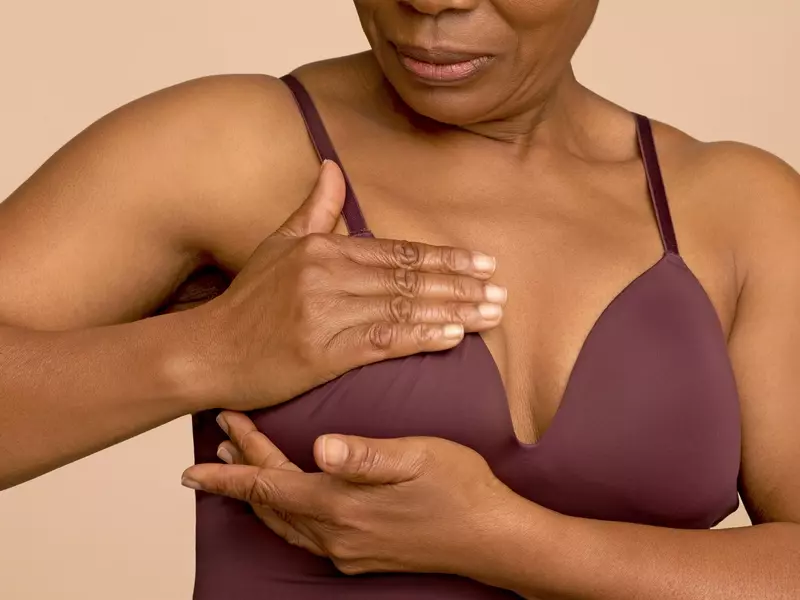
Sore breasts
Needing to pee more often
Trouble sleeping
Emotional changes
Dry skin, eyes, or mouth
Fatigue
Depression
Crankiness
Racing heart
Headaches
Joint and muscle aches and pains
Weight gain
Hair loss
Changes in libido (sex drive).
READ: Common health problems women might experience during menopause
Lifestyle changes can improve your overall health and help you tolerate the symptoms
1. Regular Exercise
2. Eating Healthy meals
3. Cognitive behavioural therapy, which is talking therapy that will help you change the way you’re thinking about the experience.
Other treatments include:
- Menopausal Hormone Therapy
- Non-hormonal Therapy
You can also try Menopausal Hormone Therapy (MHT), Non-Hormonal Treatment, and complementary therapies.
Hormone therapy is when you take medications to replace the hormones that your body isn’t making anymore.
Nonhormone medications is FDA-approved to treat hot flashes.
Image courtesy of pexels/ @ Alexander Suhorucov


![[WATCH PODCAST] Mr. Mercedes drops highly anticipated project, joining forces with Thabo Smol and Spice Drums](https://www.kaya959.co.za/wp-content/uploads/2026/10/KAYA-959-THUMBNAILS-79-100x100.png)
![[WATCH PODCAST] Tumisho Masha commands the screen as colonel Jack Phatudi in M-Net’s new must-watch series](https://www.kaya959.co.za/wp-content/uploads/2026/10/KAYA-959-THUMBNAILS-78-100x100.png)