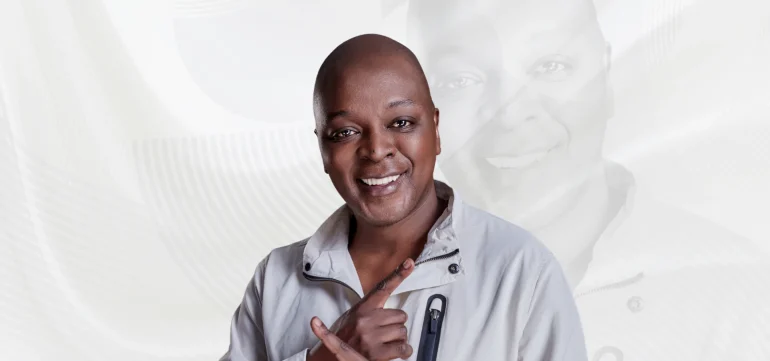

By: Natasha Archary
Forget every manual you ever read about the “terrible twos”, “terrifying threes” and “fearsome fours”. The parenting tests just get more gruelling. If you’ve ever heard the saying, “six going on sixteen”, you would know that 6-year olds can push your buttons in the same way teenagers do.
Butting heads
Unlike the terrible twos when toddlers are still trying to find their voice, 6-year olds love the sound of theirs.
What’s more is that he/she will let you know that.
As they assert themselves and set boundaries for interactions, you’ll soon discover there are days your child will want nothing to do with you. Except when he’s hungry or wants a snack, and that’s about as useful as you are going to be to him.
When they’re six going on sixteen, children are more confident and independent, letting you know that they no longer need you to be at their beck and call.
Expect a lot more head butting and differences in opinion during this stage of parenting.
You’re not alone
Most days are going to feel like you’re out of your depth, drowning in a sea of unfamiliarity. Something Kaya 959’s newest parent Sandile van Heerden is slowly learning.
“Parenting is one of the toughest things I’ve ever done,” he recounts on an almost daily basis.
Of course, with a newborn, and the lack of sleep that comes along with the territory, it’s understandable that he feels overwhelmed right now.
He’s not alone. At some point, every parent has felt this way as they navigate the parenting realm and take to their role as mother or father.
Whether for the first time or not, it is still a unique challenge.
Every child is different. They each have their own personality, likes and dislikes, and communicate differently. This means, there isn’t a specific parenting style that will work for all kids.
Parenting pressure keeps mounting
Parenting manuals will advise that you walk away from a child who is testing your patience. That you don’t entertain their meltdown because it’s the quickest way to get them to stop. This approach is not advised by child psychologists nor conscious parents who warn that it does not validate your child’s feelings.
Walking away builds up a zero-tolerance for tantrums and will only cause your child to grow up shutting down their emotions. Because you’re telling them, that you are not going to deal with their emotions. Children then repress their feelings and become teenagers and later adults who do not understand how to process their pent-up anger or sadness.
Causing major communication challenges and relationship issues as adults. Sound familiar? In an argument with your partner, does one or both of you tend to flip a switch or simply shut down? Forcing the communication to halt by choosing to not engage further. This is exactly what you’re doing with children.
Think about when you’re in a bad mood or something isn’t going your way. You need to vent, don’t you? To release those feelings.
Talk through the angst
Having a heart to heart with your determined 6-year old is encouraged. Remember they have a shorter attention span and you may have to repeat your expectations or correct behaviour regularly.
The important thing is that you give them an outlet to express themselves. It’s asking a lot, expecting someone so little to manage these big feelings. Many, still unable to communicate or distinguish between sadness, anger, frustration at failing a task.
We should be teaching our kids how to talk through their emotions. That it’s okay to feel the way they do but that it’s not okay to say things out of anger.
Teach them young that words hurt. That doing something in a moment of frustration is not the best approach.

![[WATCH PODCAST] Mr. Mercedes drops highly anticipated project, joining forces with Thabo Smol and Spice Drums](https://www.kaya959.co.za/wp-content/uploads/2026/10/KAYA-959-THUMBNAILS-79-1170x658.png)

![[WATCH PODCAST] Mr. Mercedes drops highly anticipated project, joining forces with Thabo Smol and Spice Drums](https://www.kaya959.co.za/wp-content/uploads/2026/10/KAYA-959-THUMBNAILS-79-100x100.png)
![[WATCH PODCAST] Tumisho Masha commands the screen as colonel Jack Phatudi in M-Net’s new must-watch series](https://www.kaya959.co.za/wp-content/uploads/2026/10/KAYA-959-THUMBNAILS-78-100x100.png)