By Mapaballo Borotho
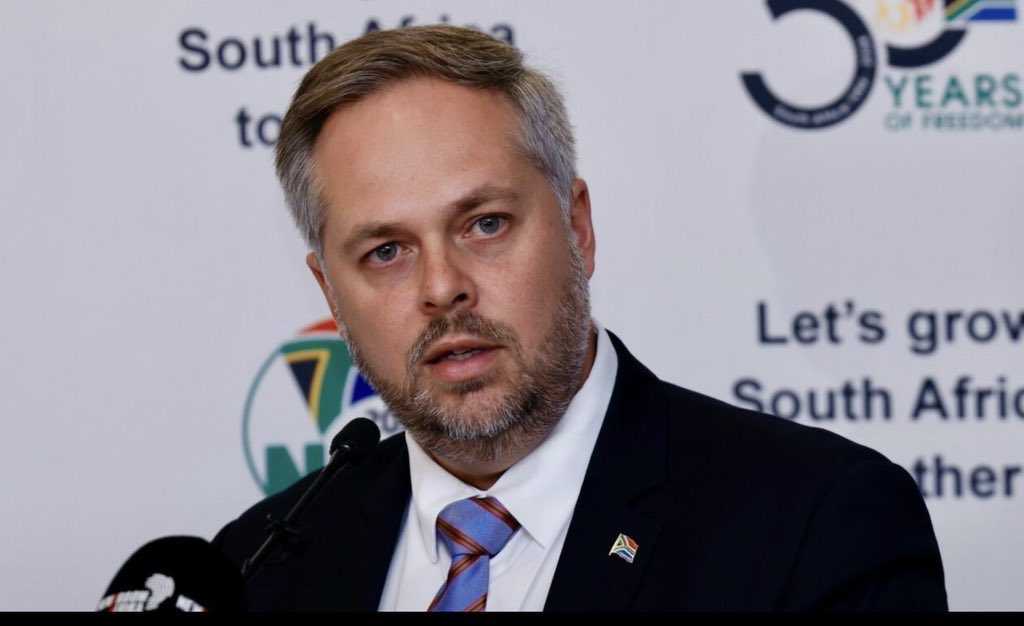
- Home Affairs has instructed refugee offices to accept asylum applications from undocumented individuals, following a Constitutional Court ruling.
- Applicants who entered South Africa illegally can now apply for asylum, but their claims will still be assessed before refugee status is granted.
- The new directive has sparked debate, with concerns that it could place additional pressure on an already strained asylum system.
South Africans are at loggerheads following a new directive by the Department of Home Affairs regarding asylum seekers in South Africa.
The Department has issued a directive instructing all refugee reception offices in the country to accept applications from every individual who comes forward and tells officials that they need asylum, even if that person entered South Africa illegally.
The new directive has sparked strong reactions among South Africans, with some expressing concerns that it could place additional pressure on the country’s embattled immigration system.
The directive was issued following a July 2026 Constitutional Court ruling, which declared some key sections of the Refugees Act invalid.
“We remain committed to protecting the integrity of South Africa’s immigration system while ensuring that our policies and legislation continue to give effect to the Constitution and the country’s international obligations,” said the Acting Deputy Director-General for Operations at Home Affairs, Thulani Mavuso.
In layman’s terms
South Africa is no longer allowed to refuse someone from applying for asylum simply because they:
- entered South Africa without a visa;
- crossed the border somewhere other than an official port of entry;
- did not tell immigration officials at the border that they wanted asylum;
- do not have an asylum transit visa; or
- did not report to a refugee office within five days of arriving.
However, this does not mean that every foreign national who claims to be seeking asylum will automatically be granted refugee status.
The person’s claim still has to be assessed, processes still have to be followed, and the Department of Home Affairs must examine their circumstances and consider information about their country of origin before deciding whether they qualify for refugee protection.
What difference does the new directive make?
Before:
An asylum seeker entered South Africa illegally, so they cannot even begin the asylum application process unless they meet certain requirements or provide an explanation.
Now:
Foreign nationals (asylum seekers) must be allowed to submit their asylum application first. Home Affairs will then investigate whether they genuinely qualify for protection.
The new directive could place additional pressure on an already strained migrant system, with refugee reception offices across the country already dealing with significant backlogs.
There are also concerns that some people who are actually economic migrants may apply for asylum, creating further delays for people who genuinely need protection.
It is important to note that being poor, unemployed or looking for a better economic life does not automatically make someone eligible for asylum.
Asylum is intended for people who need protection because of persecution, conflict or serious threats in their country of origin.
Ultimately, the new directive changes who can apply for asylum, but it does not change who qualifies for refugee status.
Why is this directive controversial?
The directive comes at a critical time in South Africa, with the cost of living continuing to rise and a range of socio-economic challenges affecting households across the country.
It also comes amid growing calls for undocumented foreign nationals to return to their countries of origin, with some South Africans arguing that the country should prioritise addressing its own socio-economic challenges.
Just a few months ago, the anti-illegal migration group March and March organised a national shutdown on 30 June 2026, calling on undocumented foreign nationals to leave South Africa.
The protest was met with criticism from some neighbouring countries, with concerns being raised that anti-migrant rhetoric in South Africa could fuel xenophobia.
Meanwhile, foreign nationals continue to be blamed by some groups and members of the public for a range of socio-economic challenges in South Africa, including crime, the distribution of drugs, human trafficking and coerced prostitution.
However, these claims are contested, and the responsibility for such crimes cannot simply be attributed to foreign nationals as a group.
March and March leader Jacinta Ngobese-Zuma has criticised the government’s approach to immigration, arguing that South Africa’s borders and immigration laws need to be strengthened.
‘What is the use of having BMA everyone must enter as they wish and then say they are asylum seekers?’
Another March looming?
It remains to be seen whether March and March will organise another protest against the new directive.
However, Ngobese-Zuma says that if another march outside of social media needs to be organised, the organisation will do so.
The new directive is therefore likely to remain a contentious issue as South Africa continues to grapple with questions around immigration, asylum, border management and the country’s broader socio-economic challenges.
READ NEXT: