Zuko Komisa
- Over 1,000 delegates launched the National Dialogue in Tshwane, aiming for a citizen-led process to address South Africa’s challenges.
- The convention, convened by President Cyril Ramaphosa, saw robust discussions on key issues from the economy to corruption.
- The process for forming a steering committee was extended to ensure diverse and inclusive representation.
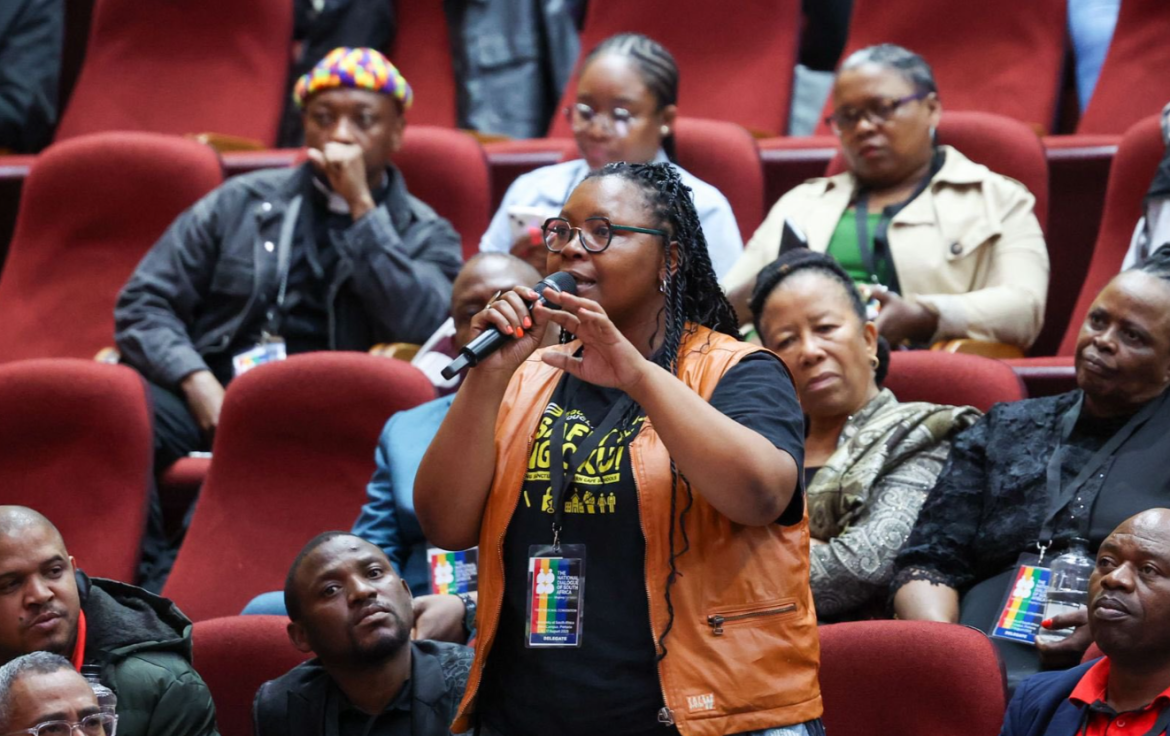
The first National Convention of South Africa’s National Dialogue concluded over the weekend, with more than 1,000 delegates from over 200 organisations gathering at the University of South Africa (Unisa) for two days of robust discussion. Convened by President Cyril Ramaphosa, the event marked the official launch of a nationwide engagement aimed at addressing the country’s challenges and forging a new path forward.
President Ramaphosa described the convention as the moment citizens would take ownership of the dialogue. The Convention Organising Committee reported that delegates enthusiastically endorsed an inclusive process that would focus on issues directly affecting the public. Participants stressed the need to include voices from communities often excluded from important national conversations.
Discussions centred on key themes, including the economy, jobs, crime, corruption, education, health, and gender-based violence. Other topics covered were fixing the state, strengthening social fabric, and healing from intergenerational trauma. It was agreed these themes would serve as a guide, with citizens free to raise any issues they consider important.
The convention also outlined a draft roadmap for a citizen-led dialogue, proposing a six to nine-month process of community-led engagements. The goal of this process is to catalyse radical change and rapid responses to urgent challenges, while rebuilding and healing the nation. The convention called for diverse and community-specific methods of dialogue, tailored to local knowledge and conditions.
READ NEXT: Taxi council says it has no authority over private vehicle passengers
![[WATCH PODCAST] Mr. Mercedes drops highly anticipated project, joining forces with Thabo Smol and Spice Drums](https://www.kaya959.co.za/wp-content/uploads/2026/10/KAYA-959-THUMBNAILS-79-1170x658.png)
![[WATCH PODCAST] Tumisho Masha commands the screen as colonel Jack Phatudi in M-Net’s new must-watch series](https://www.kaya959.co.za/wp-content/uploads/2026/10/KAYA-959-THUMBNAILS-78-1170x658.png)
![[WATCH PODCAST] Mr. Mercedes drops highly anticipated project, joining forces with Thabo Smol and Spice Drums](https://www.kaya959.co.za/wp-content/uploads/2026/10/KAYA-959-THUMBNAILS-79-100x100.png)
![[WATCH PODCAST] Tumisho Masha commands the screen as colonel Jack Phatudi in M-Net’s new must-watch series](https://www.kaya959.co.za/wp-content/uploads/2026/10/KAYA-959-THUMBNAILS-78-100x100.png)