
The link between hormonal imbalance, ovulation problems and infertility
By Mapaballo Borotho
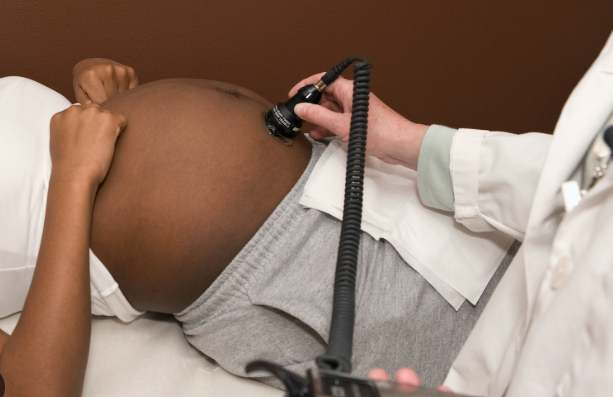
Have you ever wondered why some women grow hair in unusual places, such as on the face or other areas where one wouldn’t typically expect hair?
Women may develop coarse, dark hair in unexpected areas. Most commonly on the chin, upper lip, neck, chest, abdomen, back, knuckles and toes, due to hormonal fluctuations, particularly increased levels of androgens.
These changes are common during puberty, pregnancy and menopause, but they can also indicate underlying conditions such as Polycystic Ovary Syndrome (PCOS).
PCOS is often experienced by women who have irregular periods, grow hair in unusual places and do not ovulate every month.
“A lot of people who have this syndrome do not have a normal ovulation cycle, meaning they do not ovulate every month. Some may or may not see periods. This reduces the ability of a person to fall pregnant,” said fertility specialist Dr Tebogo Deo.
The cysts usually found in women’s ovaries often produce male hormones. While this is normal in some cases, in women with PCOS the levels are higher than they should be.
“This is why we find women with a lot of hair, some around their nipples, below their belly button and on their chest, as well as a lot of acne. This is what we call hyperandrogenism.”
Secondary infertility
Secondary infertility is the inability to conceive or carry a pregnancy to term after previously giving birth to one or more children, affecting roughly 11% of couples.
It is a common condition where, despite trying for six to 12 months, a couple cannot achieve a second pregnancy, often due to age, complications from prior pregnancies, or lifestyle factors.
Dr Deo says this often affects both men and women.
“With couples that have fertility issues, 40% of that would be the male factor,” she said.
Secondary infertility is generally diagnosed after 12 months of trying if under the age of 35, or six months if 35 or older.
Treatment options are similar to those for primary infertility and can include IVF (in-vitro fertilisation), IUI (intrauterine insemination), and lifestyle adjustments.
For the full discussion about reproductive health, infertility, egg and sperm donations, listen to the podcast…
READ NEXT: Reproductive health month: Reproduction, fertility, sexual health and hygiene


![[WATCH PODCAST] Kabelo Mabalane teams up with The Arrows for infectious comeback track ahead of 10th studio album](https://www.kaya959.co.za/wp-content/uploads/2026/10/KAYA-959-THUMBNAILS-100x100.png)