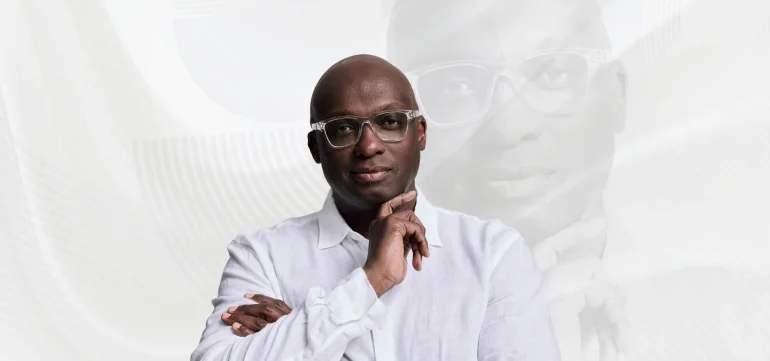

WaterCAN Executive Director Dr Ferrial Adam says South Africa’s fragmented water system requires a broader and more coordinated approach than simply replicating the structures used to tackle load shedding.
By Mapaballo Borotho
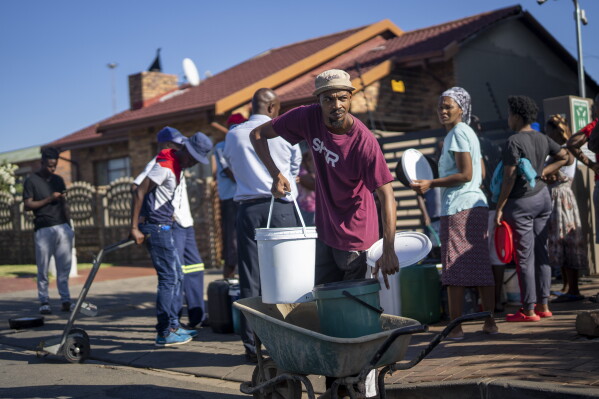
President Cyril Ramaphosa says South Africa can tackle its water crisis through the same coordinated approach used to address load shedding.
He says the National Water Action Plan targets poor infrastructure, municipal failures, corruption and criminality.
“Addressing South Africa’s water challenges requires practical solutions and a willingness to work together across political differences,” the President said.
His comments come as communities across South Africa continue to experience little to no water due to various factors, including Rand Water maintenance, damaged infrastructure and high water consumption.
Ramaphosa was responding to Questions for Oral Reply in the National Assembly on Tuesday, 26 August 2026.
Phemelo spoke to WaterCAN Executive Director Dr Ferrial Adam on Kaya 959’s Point of View about the country’s water crisis.
“President Cyril Ramaphosa basically gave the line. He spoke about what we have already seen in the media. There was nothing really new in terms of what he was saying regarding the water crisis and the action plan,” she said.
Adam says it is of significant importance that Ramaphosa is addressing the country’s water challenges because it took the state years to come to terms with the fact that South Africa is facing a water crisis.
“I remember saying this and being shut down by the previous minister, citing that we have enough water. I am a bit concerned because the President said something like drawing on the experiences of the electricity crisis, but the reality is that comparing the two is a problem.
We have Eskom, which we can hold accountable for the issues of electricity. We have 144 water services authorities, water boards and the national government, so setting up the same kind of committee we had for electricity is not effective,” she said
Adam says South Africa’s water crisis requires a bigger-picture approach, with all levels of government understanding the roles they need to play in tackling the problem.
She added that some of the solutions proposed by government appear disconnected from the daily realities faced by many South Africans.
“We have this going on, but I know that in Limpopo we are still giving licences to Australian mining companies that are completely going to divert an entire river and pump out the groundwater. And I think at some point we need to realise that the water resources that we have must take priority or preference,” she said.
In South Africa, at least 2,688 communities do not have access to safe drinking water.
Listen to the podcast for the full discussion.
READ NEXT: