By Greg Maloka
There is something about Johannesburg that compels people to strive.
For more than a century, Gauteng has been the economic heartbeat of South Africa – a place where ambition finds expression, where industries are built, and where ideas become enterprises. While the latest Africa Wealth Report notes that the Western Cape now hosts the country’s largest concentration of millionaires, Gauteng remains South Africa’s most diverse and productive economic engine, attracting investment across finance, commerce, manufacturing, technology, and the creative industries.
Yet wealth is not built by markets alone. It is built by people, by culture, by imagination, and by the stories societies choose to tell about themselves.
South Africa now finds itself at a defining moment. The country approaches the closing chapter of the National Development Plan: Vision 2030. The political and economic landscape continues to evolve. Johannesburg, as Africa’s leading commercial centre, remains one of the continent’s most important cultural and economic crossroads. At the same time, Africa’s influence is growing globally – not only through trade and investment, but through music, fashion, design, film, sport, and ideas.
And yet, despite this opportunity, few media platforms meaningfully connect culture, commerce, and everyday life.
Talk radio informs, but often lacks texture. Music radio entertains, but often lacks depth. The result is a gap between the stories we hear and the forces shaping the world around us.
This matters because radio remains one of South Africa’s most influential mediums. Every week, millions of South Africans tune in for companionship, information, and perspective. Johannesburg alone contributes a significant share of the country’s economic output and remains home to one of Africa’s most economically active and culturally engaged audiences.
The opportunity is clear. As Kaya 959 enters a new chapter, the station is positioning itself to become a home for the Cultural Economy – a place where business, creativity, innovation, and human experience meet.
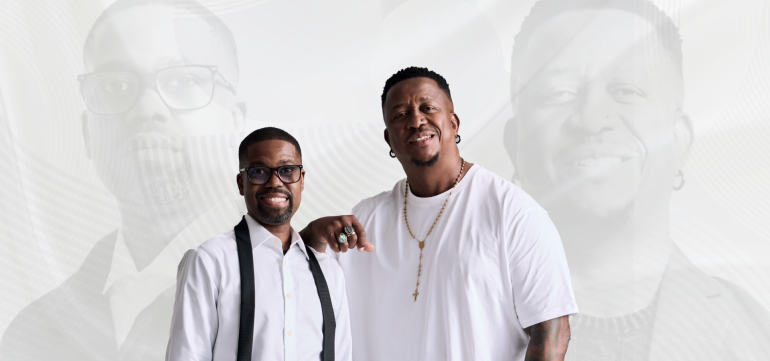
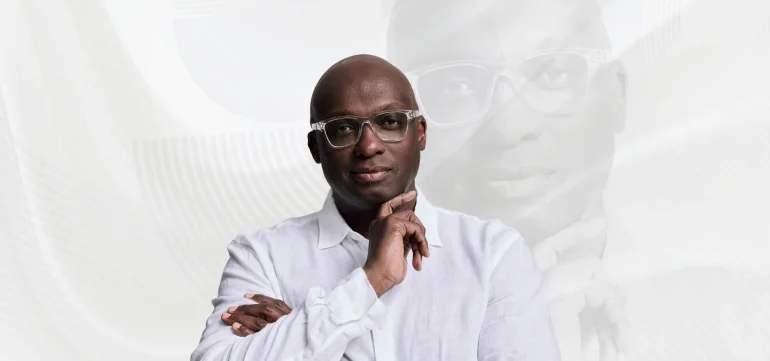
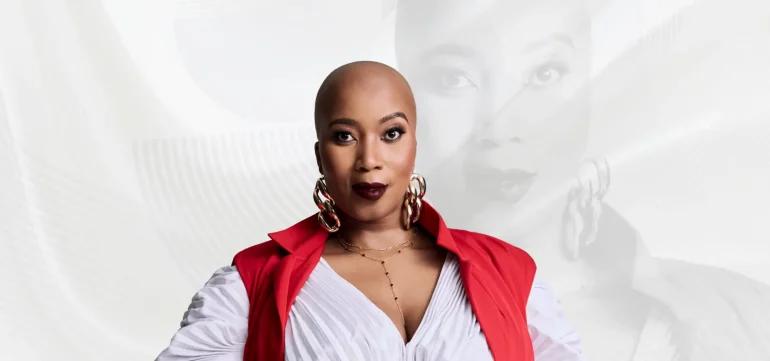
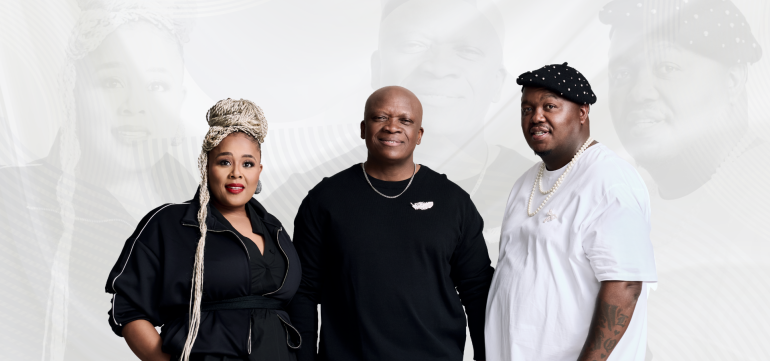
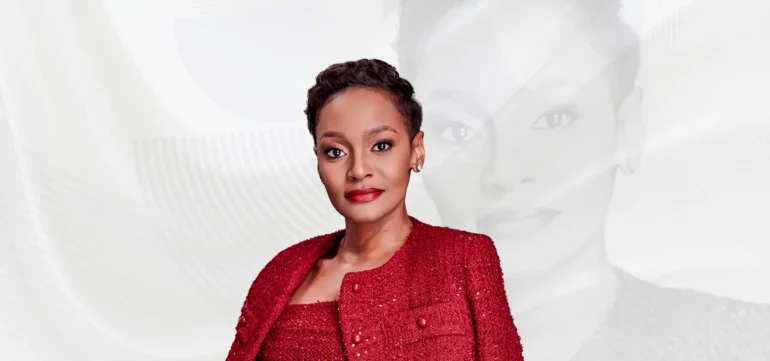
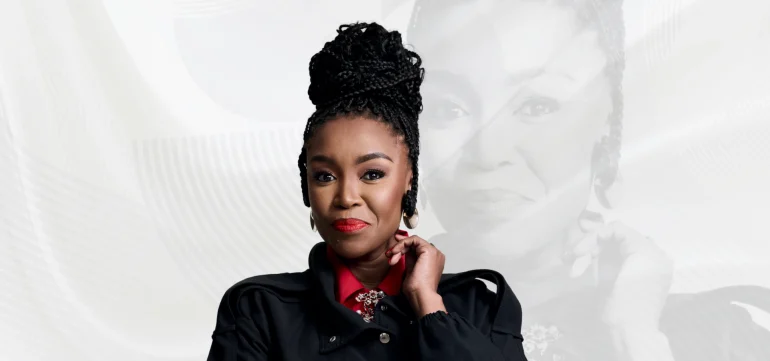
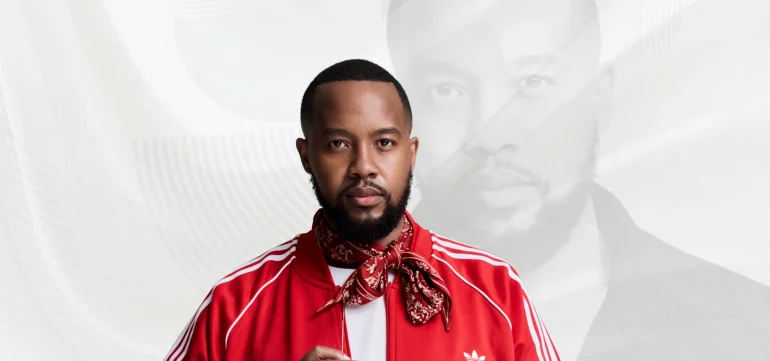
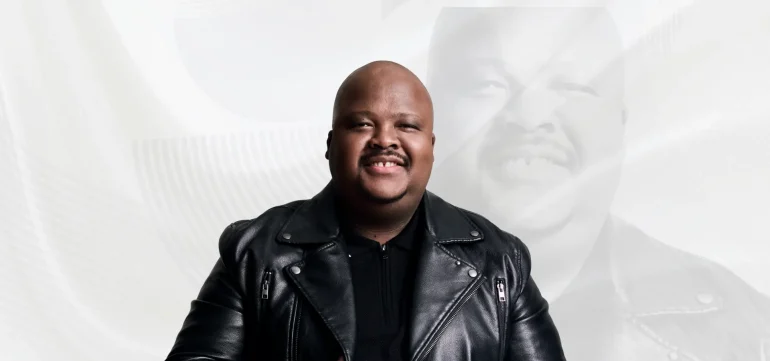
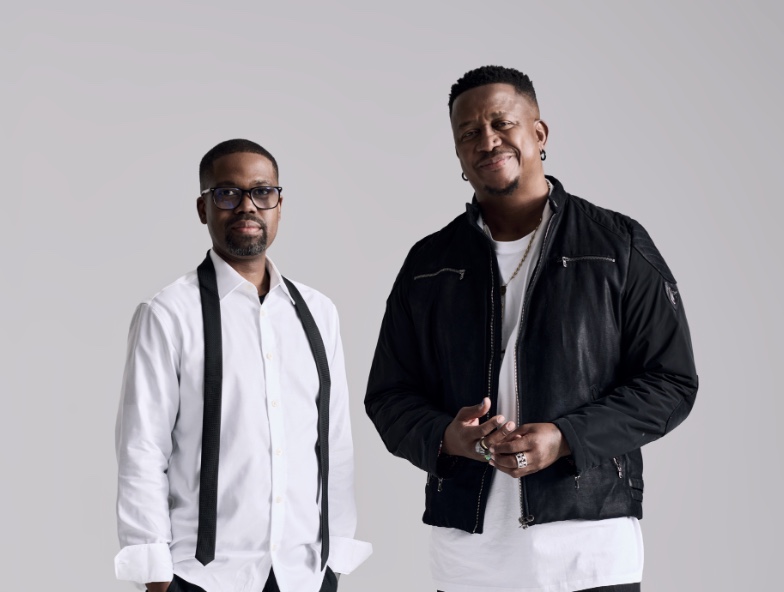
With the arrival of broadcasting heavyweight DJ Fresh and his long-time collaborator Thato Mataboge on breakfast, the addition of respected media strategist Greg Maloka to the station’s commercial ecosystem, and the daily insight of award-winning financial journalist Gugulethu Mfuphi, Kaya is building a platform designed to help South Africans understand not only what is happening, but why it matters. This is not simply about reporting markets or following headlines. It is about exploring the systems, industries, and people that shape our lives.
The musicians building global careers from African cities. The designers turning local creativity into export industries. The engineers behind theatres, infrastructure projects, and mining innovations. The entrepreneurs transforming ideas into businesses. The artists, architects, producers, curators, athletes, and investors whose work contributes to the country’s economic and cultural future.
These stories sit at the intersection of culture and capital. They deserve a platform. Just as importantly, the soundtrack must reflect the audience we serve. The sound of Kaya will mirror the rhythm of modern Africa, the energy of cities in motion, the calm elegance of suburban mornings, the pulse of commerce, and the stillness of home. It will draw from jazz, soul, Afro-house, deep house, global African sounds, and the rich lineage of Neo-Soul that emerged in the late 1990s and early 2000s.
Artists such as D’Angelo, Erykah Badu, Jill Scott, Soul II Soul, Elements of life, and The Fugees helped shape a movement that favoured musicianship, storytelling, and emotional depth over fleeting trends. Their influence continues to echo through contemporary artists such as Cleo Sol, Zoe Modiga, Kokoroko, Saul Madiope, Ezra Collective, and a new generation of globally minded creators.
That musical philosophy reflects what Kaya seeks to become. Thoughtful without being academic. Sophisticated without being exclusive. African without limitation. Globally fluent without losing its roots.
Because the future belongs to platforms that understand that culture is not separate from the economy – culture is the economy. And as Johannesburg continues to imagine its next chapter, Kaya 959 intends to be where those conversations begin.
The cultural economy starts here.
READ NEXT: Mail & Guardian spotlights new show Kaya Breakfast ahead of July launch



![[WATCH PODCAST] British-Nigerian artist, Ola Onabulé brings his jazz quartet to Johannesburg for the Standard Bank Joy of Jazz](https://www.kaya959.co.za/wp-content/uploads/2026/09/KAYA-959-THUMBNAILS-70-100x100.png)
![[WATCH PODCAST] Leading creative voice, Ndabo Zulu celebrated for breakthrough work with the ‘Umgidi Ensemble’](https://www.kaya959.co.za/wp-content/uploads/2026/09/NDABO-2-100x100.png)