

Zuko Komisa
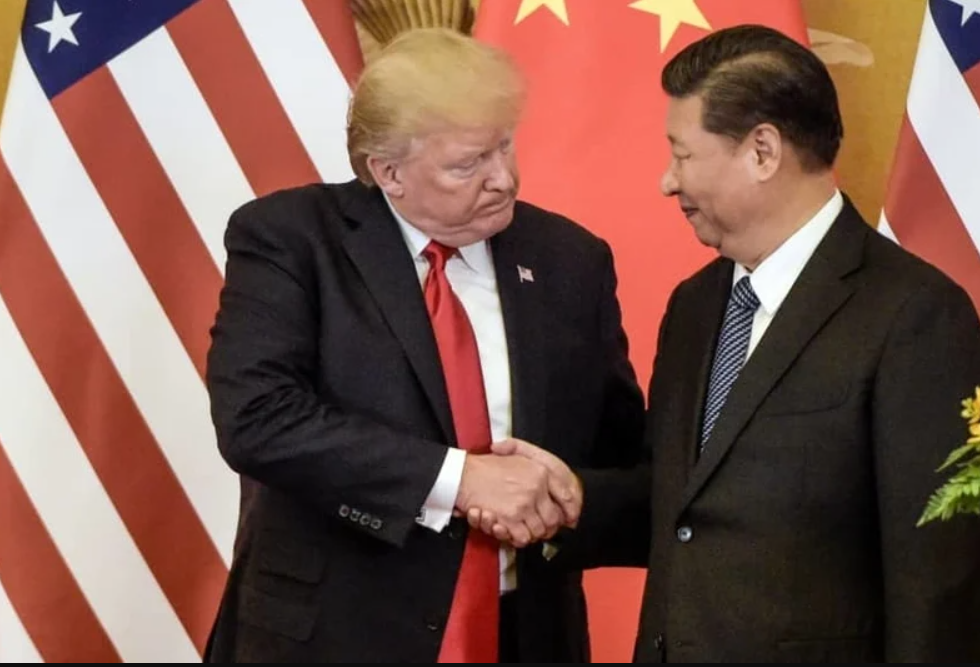
The global economic landscape has been thrown into further turmoil as China retaliated against escalating US tariffs by imposing an 84% tariff on American goods. This latest development intensifies the already fraught trade relations between the world’s two largest economies, with significant implications for nations like South Africa.
Tit-for-tat tariffs deepen global economic uncertainty
China’s 84% retaliatory tariff on US goods has dramatically escalated the ongoing trade war, creating significant global economic uncertainty.
This tit-for-tat exchange, following a series of escalating US tariffs, disrupts interconnected global supply chains and poses a particular threat to South Africa, which relies heavily on international trade. The rapid increase in tariff rates signals a deepening rift between the US and China, creating a volatile climate that hinders business planning and investment.
South Africa faces potential consequences including reduced export demand, increased financial market volatility, and disruptions to import supply chains. Given its BRICS membership and strong trade ties with China, any damage to the Chinese economy will inevitably impact South Africa.
While a 90-day US tariff pause offers temporary relief to most nations, excluding China, the overall global trade environment remains highly unstable. To navigate this volatility, South Africa must diversify its trade partners, strengthen domestic industries, and actively engage in diplomatic efforts promoting multilateralism and stability.
Kaya Biz with Gugulethu Mfuphi spoke to Feroz Basa, head of Global Emerging Markets at Sanlam Investments on the latest deveopments.
Listen to the full conversation:
South Africa’s need for strategic navigation
In this volatile environment, South Africa must carefully navigate its trade relationships. The nation needs to:
- Diversify its trade partners to reduce its reliance on any single market.
- Strengthen its domestic industries to enhance its resilience to global economic shocks.
- Engage in diplomatic efforts to promote stability and multilateralism in international trade.
The ongoing trade war highlights the fragility of the global economy and the importance of international cooperation. South Africa, like many other nations, must prepare for the potential consequences and take proactive steps to safeguard its economic interests.
READ NEXT: Rand nears R20 to the dollar as global pressures mount
![[WATCH PODCAST] Kabelo Mabalane teams up with The Arrows for infectious comeback track ahead of 10th studio album](https://www.kaya959.co.za/wp-content/uploads/2026/10/KAYA-959-THUMBNAILS-1170x658.png)

![[WATCH PODCAST] Kabelo Mabalane teams up with The Arrows for infectious comeback track ahead of 10th studio album](https://www.kaya959.co.za/wp-content/uploads/2026/10/KAYA-959-THUMBNAILS-100x100.png)