
By: Natasha Archary
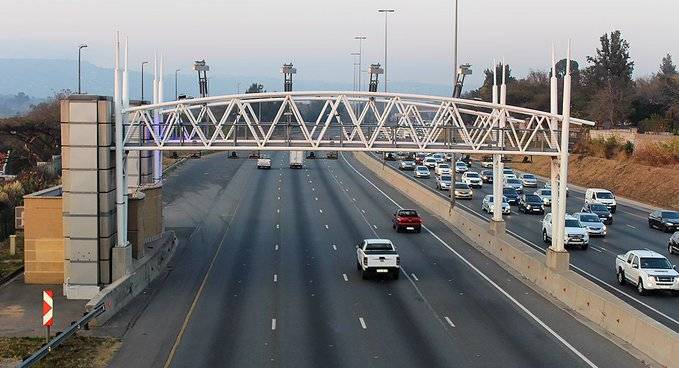
Wayne Duvenhage, CEO of the Organisation Undoing Tax Abuse (OUTA) joins Gugulethu Mfuphi on Kaya Biz to urge Gauteng motorists and corporate organisations in the province to stop paying for e-Tolls.
Duvenhage said nearly a year after government “scrapped” the defunct system, motorists are still paying their e-Tolls bills, which is only keeping the system alive.
Last year, Finance Minister, Enoch Godongwana said government will absorb the R47 billion SANRAL debt which was brought on by e-tolls.
Godongwana announced the decision to do away with the e-tolling system in Gauteng, whilst tabling his medium-term budget statement on Wednesday, 26 October 2022.
The decision was welcomed by Gauteng Premier Panyaza Lesufi who said the announcement brought relief to the people of Gauteng.
However, Lesufi said there would be a small portion of the debt that will need to be accounted for, which Gauteng taxpayers will likely be responsible for.
“We will consult the people of Gauteng on how this 30% should be funded. We don’t want to make the same mistake of imposing a model. So, we will run a consultative conference with people of Gauteng on how best to settle this 30%.”
Panyaza Lesufi on the portion of the e-Toll debt which will need to be funded
A year later, Duvenhage said there’s been no update on how the Premier plans to scrap the e-Tolls, and questions whether government will honour its promise to do away with the failed SANRAL project.
“The decision was made that SANRAL’s debt, the Gauteng Freeway Improvement Project (GFIP) debt would be paid off. Parliament passed those bills, but we have yet to receive an explanation.
Shortly thereafter, Minister Lesufi said e-Tolls were going to be scrapped, and that the systems would be turned off by the end of the year, this was December last year, and here we are, a year after that decision was made and they still have done absolutely nothing.”
Duvenhage said OUTA has done everything in its power to urge motorists not to pay for e-Tolls, which was “born out of sin” because the public was not consulted before the tolls were put into place.
“To make e-Tolls work you need an efficient postal service, an accurate vehicle registry system which is Natis, and we know that’s not accurate.
You’d also need to be able to enforce and hold people accountable for not paying, and we’ve proven that they can’t do that. They cannot blacklist you, they cannot stop you from having your drivers license, so they never really thought this scheme through.
Secondly, the administrative costs of tolling systems around the world averages about 9 to 10%, this one was going to be 30%. It was a money-making scheme that government and others would have benefitted from.”
Duvenhage stressed that OUTA and motorists were right in going down the civil disobedience road, by boycotting the tolling system and not paying the irrational bills, and urged motorists in the province to stop paying for e-Tolls.
Listen to the conversation on Kaya Biz:
Also read: Public Enterprise Minister Gordhan announces changes to Eskom Board
We value your feedback:
[vfb id =97]
![[WATCH PODCAST] Kabelo Mabalane teams up with The Arrows for infectious comeback track ahead of 10th studio album](https://www.kaya959.co.za/wp-content/uploads/2026/10/KAYA-959-THUMBNAILS-1170x658.png)

![[WATCH PODCAST] Kabelo Mabalane teams up with The Arrows for infectious comeback track ahead of 10th studio album](https://www.kaya959.co.za/wp-content/uploads/2026/10/KAYA-959-THUMBNAILS-100x100.png)