Global shipping delays, local production halts, and rigid procurement laws have left South Africa’s public clinics critically short of essential medicines.
By Zuko Komisa
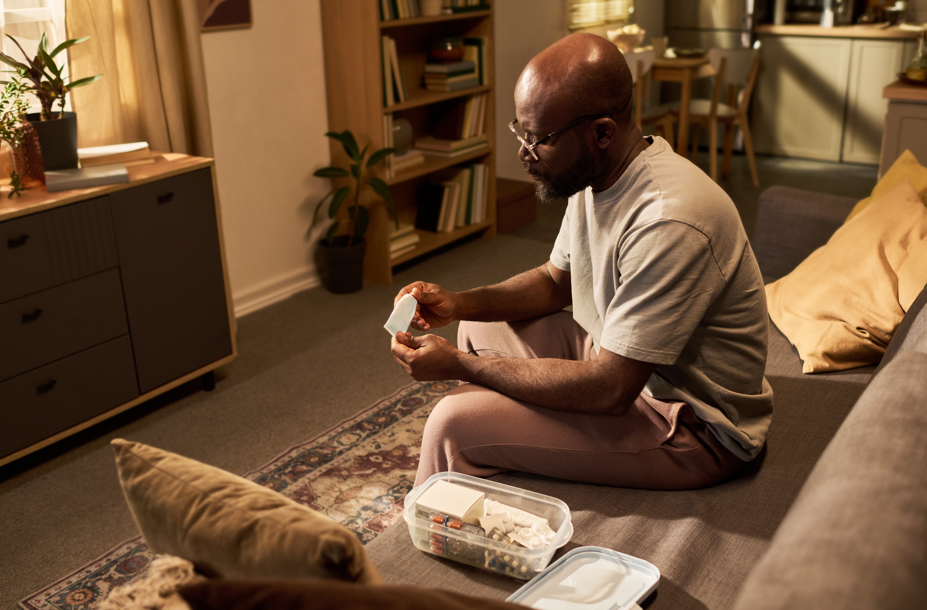
Across South Africa, a quiet emergency is unfolding at clinic queues and hospital dispensaries.
From pensioners spending scarce grant money on repeated, fruitless taxi trips for chronic pills, to diabetic patients going weeks without insulin pens, public healthcare facilities are grappling with severe medicine shortages.
While the National Department of Health has urged patients not to halt their treatments without medical advice, the reality on the ground is stark.
According to Khadija Jamaloodien, Chief Director for Sector-Wide Procurement at the National Department of Health, the scale of the disruption is unprecedented in recent years.
“I would classify the shortages that we’re experiencing as very serious,” Jamaloodien explains.
“We haven’t had this level of supply constraints since before COVID. Even during the pandemic, our supply chain was very stable.”
The shortages span multiple provinces and affect a wide range of treatments. Patients managing chronic conditions like hypertension and diabetes are bearing the brunt, alongside hospitals running low on eye drops, injectables, and intravenous drip bags. For millions of working-class South Africans reliant on state care, an empty dispensary shelf is a direct threat to their health.
Jamaloodien attributes the crisis to a convergence of local and global disruptions. Shipping bottlenecks from delays at ports in India to severe congestion in Durban have stalled the arrival of active pharmaceutical ingredients.
Simultaneously, regulatory enforcement by the South African Health Products Regulatory Authority (SAHPRA) against contracted local manufacturers has curtailed domestic production, while poor communication from suppliers has delayed official intervention.
“There’s a range of factors, and I would classify this as the perfect storm because a lot of things happened at the same time,” says Jamaloodien.
While frustrated citizens have questioned why private pharmacies remain well-stocked, Jamaloodien notes that strict public finance laws and massive state volumes make rapid pivots difficult. Unlike private chemists that can buy small batches from any wholesaler, the state procures for millions at once.
“Private sector is like organising dinner for two, where public sector is about having a buffet for a thousand people,” she says. Because of these volumes, securing alternative stock takes six weeks to three months.
Accountability remains complex, spanning international logistics, supplier compliance, and varying provincial budgets for mitigation measures. While the department insists it now has a firmer grip on the crisis and is working to stabilise supplies, South Africa’s most vulnerable patients are left waiting hoping their health holds out until clinic shelves are restocked.
Listen to the podcast for the full conversation. Kaya 959 podcasts are available to download.
READ NEXT: