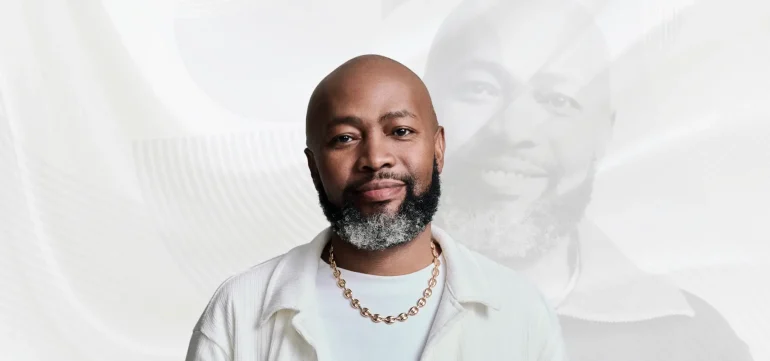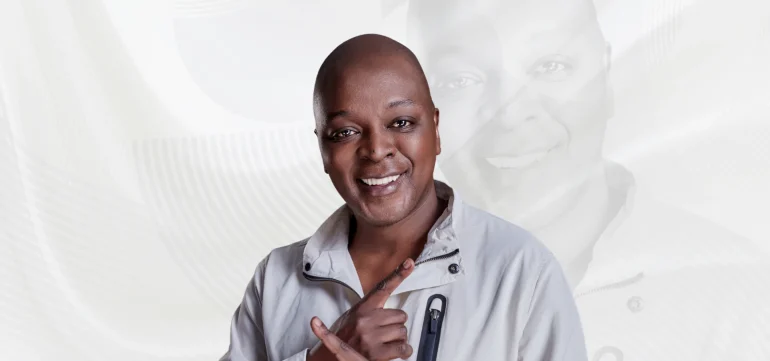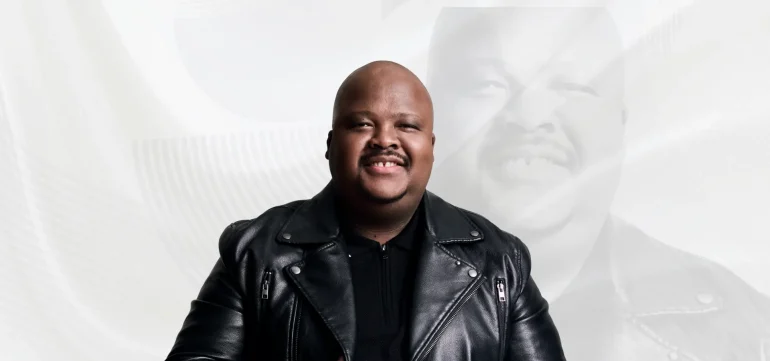

Katlego Sekhu
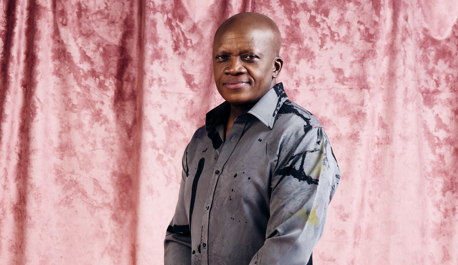
Drive 959 recently asked listeners what little things made people seem “rich” back in the day.
According to the World Bank (2022), South Africa has the highest inequality rate in the world.
Stats SA data shows that in the 1990s only 58% of households owned a fridge, and fewer than half had a car. For many children, these basics defined what it meant to come from a “rich family.”
Owning DStv or even a colour TV was a huge childhood status symbol. While commonplace today, in the 1990s only a minority had access.
Glen shared that, as a child, he and his friends used to watch television from outside a neighbour’s gate.
“Growing up, I remember we had a black-and-white TV that didn’t use electricity. It was powered by a car battery,” recalled Glen, who also reflected on the time his mother worked in Greenside.
“In the 1980s, my mother was a helper for a Greek family in Greenside. They had a landline, and I always thought you had to be a millionaire to own one, let alone have electricity. The only electricity we had in Meadowlands was for the street lights, so the police could see when they came into the township.”
He added: “I still remember when they came to install a landline in my house. It was such a big event, a real whoo-hah.”
Skhumba remembered that, as a child, he thought anyone wearing a gold watch was rich.
“We grew up believing everyone on TV was rich and had made it in life,” he said. “Not everyone had a leather jacket, let alone leather trousers. If you did, you had made it.”
Adding to the conversation, Glen said that even something as simple as having “big windows” was considered a symbol of wealth.
To hear the full discussion, listen to the podcast.
Read Next: ‘My husband never defends me, yet he expects me to honour his family’ – The Blind Spot




![[WATCH PODCAST] Mr. Mercedes drops highly anticipated project, joining forces with Thabo Smol and Spice Drums](https://www.kaya959.co.za/wp-content/uploads/2026/10/KAYA-959-THUMBNAILS-79-100x100.png)
![[WATCH PODCAST] Tumisho Masha commands the screen as colonel Jack Phatudi in M-Net’s new must-watch series](https://www.kaya959.co.za/wp-content/uploads/2026/10/KAYA-959-THUMBNAILS-78-100x100.png)