By: Natasha Archary
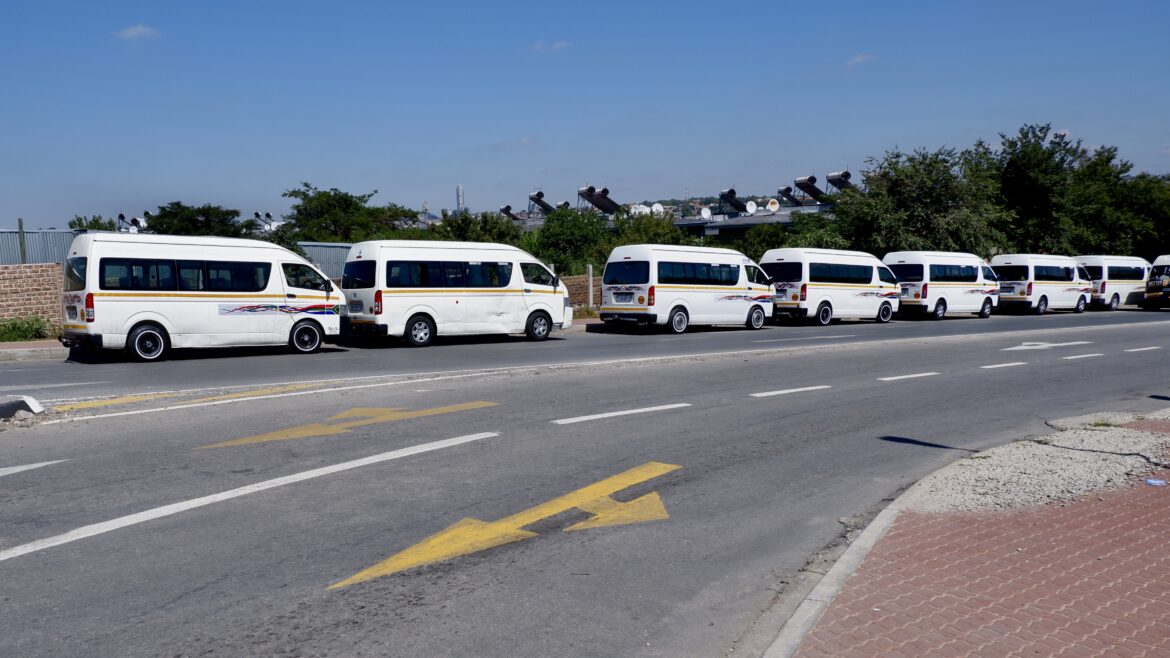
Thousands of commuters were left stranded in Cape Town on Thursday, 03 August as SANTACO’s taxi stayaway action intensified, with disgruntled taxi owners fed up with the city’s by-laws.
The by-laws, which were up for discussion since 2021, was then promulgated in 2022, and give law enforcement officials the authority to impound vehicles for various offences.
Having a conversation on 959 Breakfast, Sizwe Dhlomo and Sol Phenduka discuss the dynamics between the South African National Taxi Council (SANTACO) and the City of Cape Town, with listeners weighing in on the situation.
Sizwe painted a picture from the stranded commuters perspective, sharing that a majority of the people who work in the City of Cape Town, are from townships, almost 27 to 30km one way.
With neither buses nor trains in operation, commuters were forced to find alternative transport arrangements with no prior notice, meaning most had no other option but to walk for hours to get back home.
“Majority of the people, and dare I say it, majority of black people in Cape Town work in the city, but they live in the townships, like Khayelitsha, Langa, Phillipi, and that’s a distance. Now, when the City of Cape Town does not make provision for people to get home, or have buses that will only operate until 22h00, I’m not sure what they were hoping would happen.
Because the first thing this has done was highlight inequality in the country, because the people who live in the City didn’t have any problems, they have their own cars, or live close to where they work.
Secondly, this situation highlights the remnants of apartheid, because it’s due to apartheid that so many people of colour live so far from where they work.
Finally, it highlights the importance of leadership with empathy, because as a leader, in this instance, as the Mayor of the City of Cape Town, to make the decision that ‘it’s business as usual’ despite knowing that taxi’s were staging a stayaway.”
Sizwe Dhlomo
With SANTACO maintaining that all taxis will embark on a stayaway until 09 August, what does this mean for commuters, who don’t have alternative means of travelling to and from work?
There currently isn’t a cheaper option available for people to commute daily, and with SANTACO aware that the stayaway will impact not just the City of Cape Town, but the entire country, should the stayaway get escalated to national level, the taxi council is not backing down.
Under the City of Cape Town’s by-laws, law enforcement officials can impound taxis for infringements which include minor offences made by drivers.
According to Cape Town’s safety and security head, JP Smith, this is due to the issuing of traffic fines proving to be a pointless, and impounding taxis were more effective.
Smith says the only reason things escalated this week, after thousands of taxis were impounded, was because taxi drivers attacked officials.
Listen to the conversation on 959 Breakfast with Sizwe Dhlomo standing-in :
Also read: Operation Shanela sees SAPS arresting 8 940 suspects in July
![[WATCH PODCAST] Kabelo Mabalane teams up with The Arrows for infectious comeback track ahead of 10th studio album](https://www.kaya959.co.za/wp-content/uploads/2026/10/KAYA-959-THUMBNAILS-1170x658.png)

![[WATCH PODCAST] Kabelo Mabalane teams up with The Arrows for infectious comeback track ahead of 10th studio album](https://www.kaya959.co.za/wp-content/uploads/2026/10/KAYA-959-THUMBNAILS-100x100.png)