
Katlego Sekhu
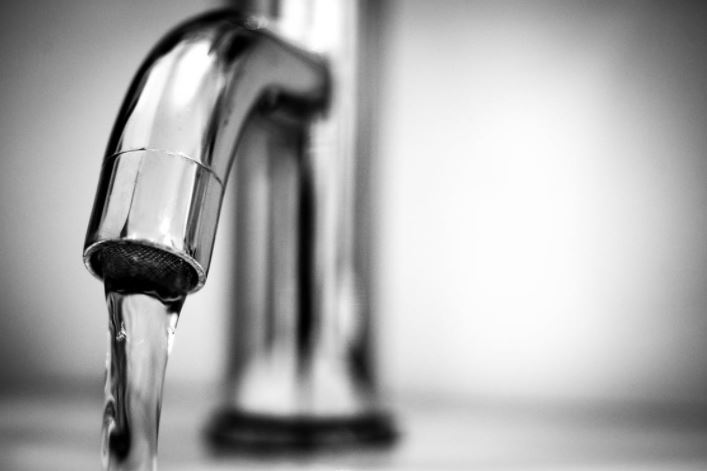
On Tuesday, the Department of Water and Sanitation (DWS) revealed alarming information about the state of water and sanitation services in South Africa. 959 Breakfast invited Prof. Mary Galvin, an expert on water and sanitation from the Department of Anthropology and Development Studies at the University of Johannesburg, to expound on how big the crisis revealed in the Blue, Green, and No Drop Watch reports is.
Prof. Mary Galvin says it has to do with the functioning of our municipalities and our treatment plants.
“It has to do with institutional abilities and operations, and then the need for increases and funds so that there can be rehabilitation of services, but this report that came out has different aspects. One of them is looking at technical issues but the thing that really matters to residents is the water quality compliance. Is what comes out of your tap safe to drink?”
The Prof. stresses that it is on municipalities to inform people about the risks, which we are all aware doesn’t happen often based on the situation in Hammanskraal.
The Department of Water and Sanitation is putting more pressure on municipalities to communicate. Prof. Galvin highlights that the problem doesn’t only stem from financial issues but also “poor operations.”
“The infrastructure is only one part of it. It also has to do with the lack of operating in chemistry knowledge. Some places don’t have an engineer.”
In conclusion, Prof. Mary Galvin says the great thing about his Blue Drop process is that the analysis that’s gone on in the municipalities “gives groups a real basis for action.”
Read Next: Ramaphosa to visit cholera hit Hammanskraal


![[WATCH PODCAST] Mr. Mercedes drops highly anticipated project, joining forces with Thabo Smol and Spice Drums](https://www.kaya959.co.za/wp-content/uploads/2026/10/KAYA-959-THUMBNAILS-79-100x100.png)
![[WATCH PODCAST] Tumisho Masha commands the screen as colonel Jack Phatudi in M-Net’s new must-watch series](https://www.kaya959.co.za/wp-content/uploads/2026/10/KAYA-959-THUMBNAILS-78-100x100.png)