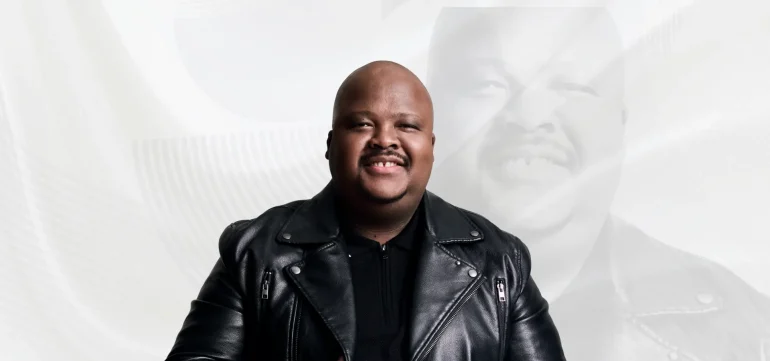

Katlego Sekhu
As the aftermath of the EFF’s central command team’s decision to dismiss representatives who were unable to organize transport for the party’s 10th-anniversary event continues to unfold, legal analyst Nthabiseng Dubazana provides her perspective on the potential legal battles ahead.
Amid murmurs of dismissed employees contemplating legal action against the EFF, Dubazana sheds light on the viability of their position and offers insights into the considerations employees should bear in mind when pursuing legal recourse following an alleged unfair dismissal.
Dubazana highlights the “significance of understanding the party’s code of conduct or policy governing their employees’ behavior”, as it forms the foundation of any labor-related matter. Examining the alignment between the employees’ actions and the code of conduct becomes pivotal in evaluating the fairness of their dismissal.
She elaborates that if the employees’ job responsibilities were not “explicitly outlined from the outset, their dismissal could be deemed unjust.” In such cases, avenues like the bargaining council or the CCMA (Commission for Conciliation, Mediation, and Arbitration) could be pursued, and if unsuccessful, “escalation to the labour court might be considered.” Notably, the simultaneous dismissal of numerous individuals may potentially lead to a class-action lawsuit, depending on the circumstances.
Moreover, Dubazana emphasizes that employees should “seek legal counsel, particularly after receiving notice of dismissal.” She advises seeking legal guidance to “navigate the cross-examination process”. Although the right to an attorney might not be guaranteed, the right to representation remains significant in safeguarding one’s interests throughout the legal proceedings.
Read Next: The EFF fires Municipal councilor for secretly working as a cleaner




![[WATCH PODCAST] Mr. Mercedes drops highly anticipated project, joining forces with Thabo Smol and Spice Drums](https://www.kaya959.co.za/wp-content/uploads/2026/10/KAYA-959-THUMBNAILS-79-100x100.png)
![[WATCH PODCAST] Tumisho Masha commands the screen as colonel Jack Phatudi in M-Net’s new must-watch series](https://www.kaya959.co.za/wp-content/uploads/2026/10/KAYA-959-THUMBNAILS-78-100x100.png)