
As Classics on Turf brings together some of South Africa’s celebrated vocalists and the Chamber Orchestra of Johannesburg for a tribute at the Market Theatre, music director Tshepo Mngoma reflects on his mother’s influence, her contribution to indigenous music and the importance of preserving South Africa’s musical heritage.
By Bulelwa Hoala
Classics on Turf, a South African music and lifestyle event that brings together golf, live orchestral performances and contemporary music, is bringing its celebration of musical excellence to the Market Theatre.
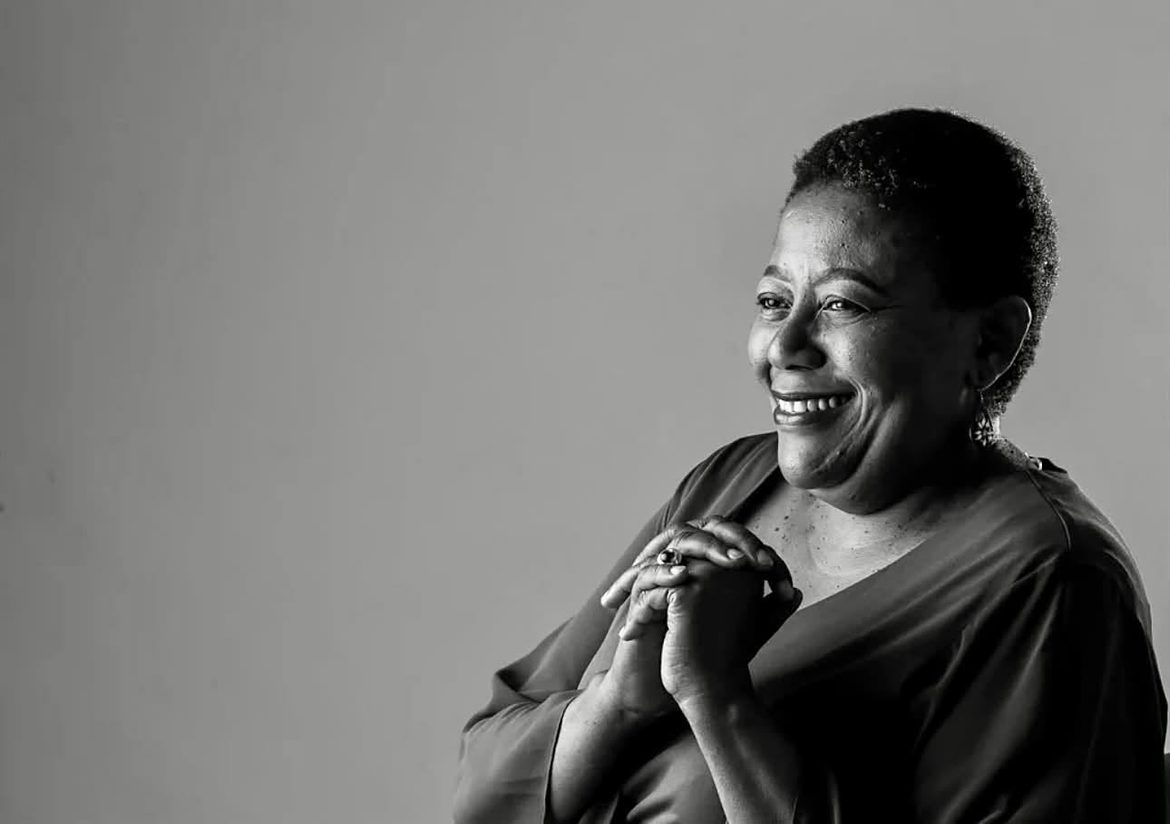
The event, which combines the experience of golf with live performances by orchestras and celebrated South African musicians, will stage a special concert in remembrance of legendary vocalist Sibongile Khumalo on Friday, 13 November and Saturday, 14 November 2026.
Titled Classics on Turf presents A Sibongile Khumalo Celebration, the production will revisit Khumalo’s extensive musical repertoire, spanning jazz, opera, art song and indigenous music. The programme will also feature songs associated with Princess Magogo kaDinuzulu, whose music Khumalo helped bring to wider recognition.
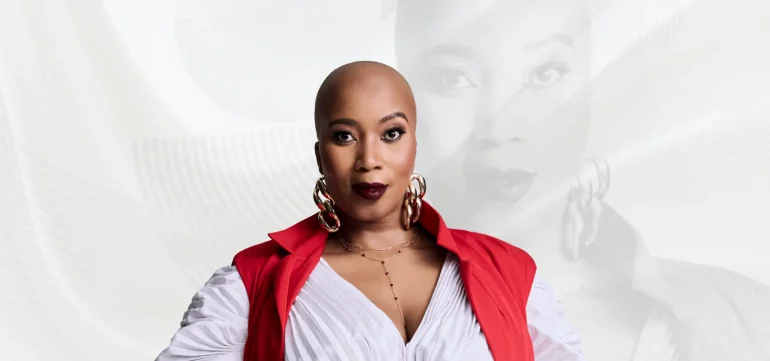
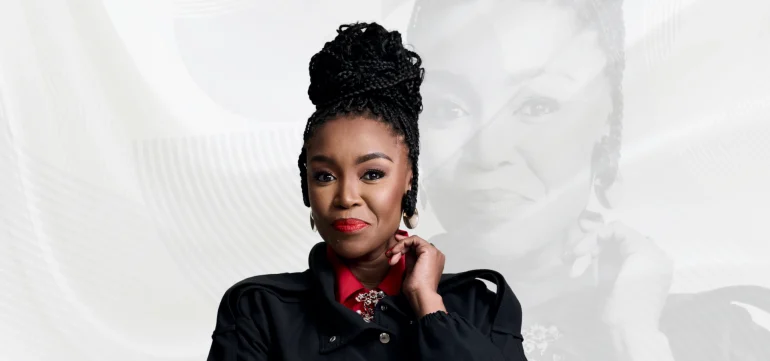
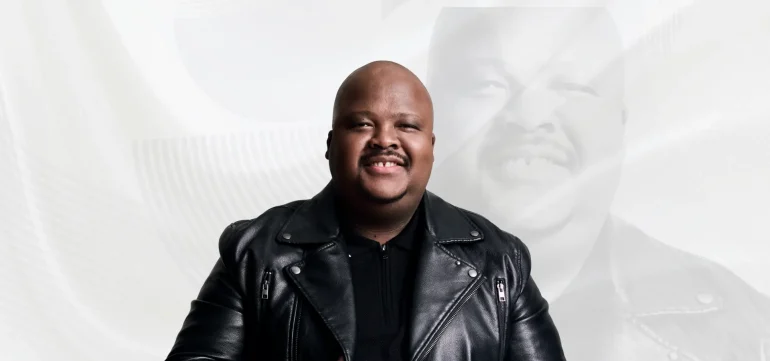
Led by music director Tshepo Mngoma and conductor Kutlwano Masote, the production will feature an ensemble of acclaimed vocalists and musicians, including Brenda Mntambo, Maleh, Khumalo’s daughter Ayanda Khumalo, Swazi Dlamini, Sibongile Mngoma and Bongiwe Nakani.
Masote will also conduct the Chamber Orchestra of Johannesburg, which will provide orchestral accompaniment to Khumalo’s music.
The tribute carries particular significance as the Market Theatre celebrates its 50th anniversary. It is also a return to a venue connected to Khumalo’s musical journey as she recorded her second album, Live at the Market Theatre, there in 1998.
Khumalo also holds a special place in Kaya 959‘s history. She was part of the original Kaya FM line-up when the station launched in 1997, alongside legendary musician Hugh Masekela.
The acclaimed jazz and classical vocalist, who died on 28 January 2021, later returned to the station as a guest and stand-in presenter on shows such as #InfluentialFridays, which celebrated South African music, arts and conscious living.
For many South Africans, Khumalo’s legacy extends far beyond her remarkable voice. She was an artist who moved comfortably between different musical traditions, using her craft to celebrate African heritage while challenging the boundaries of jazz, classical music and opera.
We spoke to award-winning South African musician Tshepo Mngoma, a jazz violinist, producer and arranger who won the South African Music Award for Newcomer of the Year in 2010 for his debut album, People and Places.
With a career spanning more than two decades, Mngoma has worked with some of the country’s celebrated musicians. He is also Khumalo’s son and is now the music director of the production celebrating her life and work.
In a conversation with Kaya 959, he reflected on his mother’s artistic influence, her contribution to South African music and the importance of keeping her legacy alive for future generations.
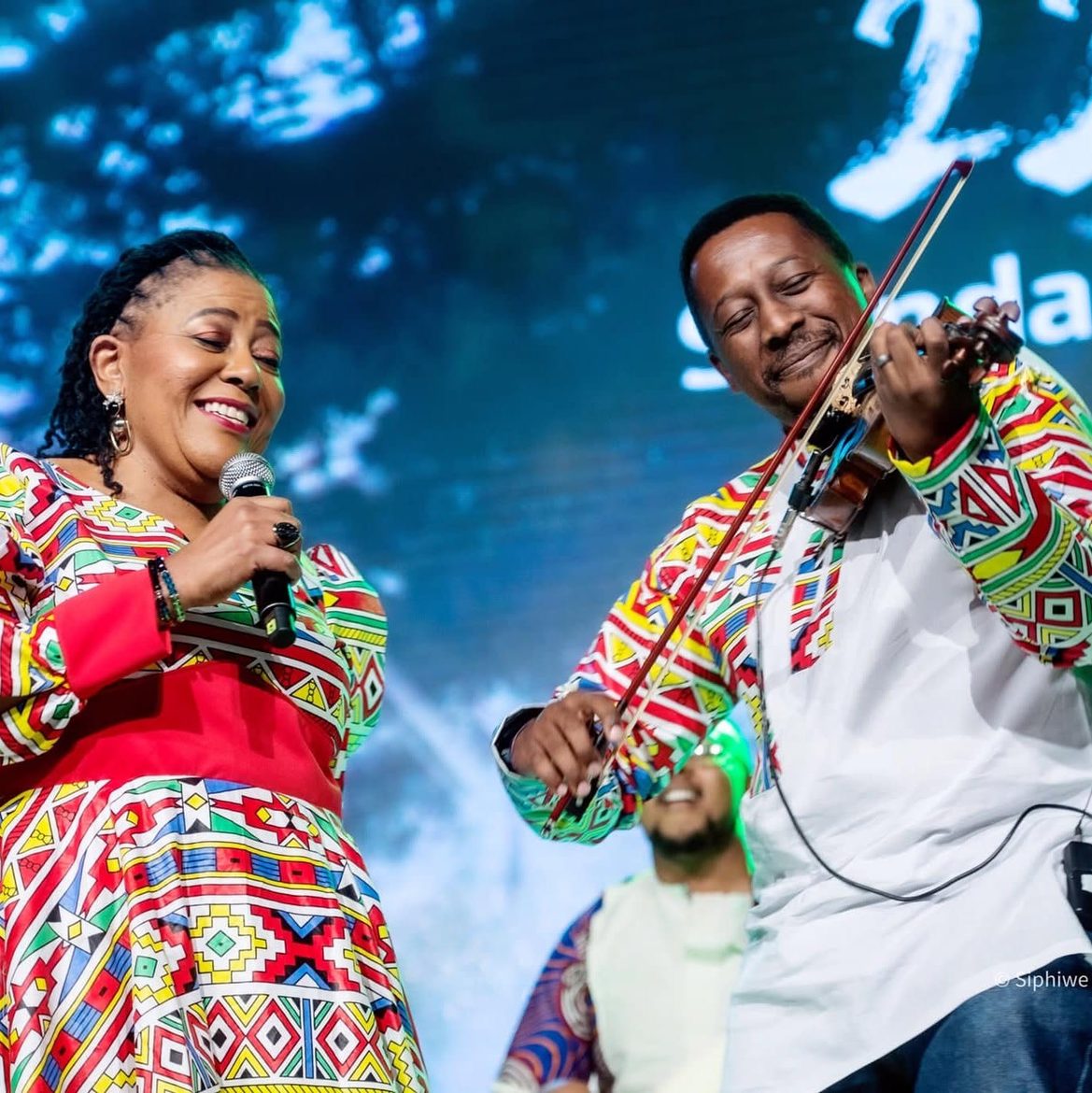
Sibongile Khumalo was an extraordinary artist whose repertoire traversed jazz, opera, classical music and indigenous African music. From your perspective as a musician and music director, what made her such a distinctive artist, and what set her apart from her contemporaries?
Tshepo Mngoma: What distinguished her was her understanding that music is far more than entertainment; it is a gift and a responsibility to educate, inspire, heal and unite people. She never allowed herself to be confined to one musical genre, constantly challenging herself to reach wider audiences through different musical expressions. Her discipline, generosity of spirit and unwavering dedication to her craft set her apart. For her, music was a vehicle for hope, healing, reconciliation and nation-building, a reminder of who we are as a people and the importance of never losing our cultural identity.
She moved between musical traditions that are often treated as separate worlds, particularly Western classical music and indigenous African music. What did her ability to bring these traditions together represent for South African music and our understanding of musical identity?
Tshepo Mngoma: She demonstrated that, despite our diverse cultures and backgrounds, music has the power to unite us. She bridged musical worlds that were often viewed as separate, showing that Western classical and indigenous African music could coexist, enrich one another and create something extraordinary. Through her excellence, dedication and passion, she challenged traditional musical boundaries and introduced audiences locally and internationally to a broader understanding of South African musical identity. She showed us that music is a universal language capable of bringing cultures, communities and generations together.
Sibongile was among the Black South African women who broke barriers in musical spaces where representation was limited, particularly in classical music and opera. How did her career help reshape perceptions of African artists, especially women, in these spaces?
Tshepo Mngoma: Her father, Professor Khabi Mngoma, raised her with the understanding that she was a vessel entrusted with a gift to impact the world and bring about positive change. At a time when opportunities and representation were limited, she understood that her musical gift came with responsibility. Whether performing opera, classical music, jazz or African traditional music, she immersed herself fully in each discipline, bringing knowledge, excellence and individuality. She refused to be confined to labels or musical categories, constantly pushing boundaries and challenging perceptions of what an African woman could achieve. Through her versatility, discipline and artistic excellence, she demonstrated that talent and ability know no racial or gender boundaries.
The production revisits the music of Princess Magogo kaDinuzulu, whose work Sibongile helped bring to wider recognition through her 2007 album. Can you unpack the significance of this relationship and why it was important to include Princess Magogo’s music in this celebration?
Tshepo Mngoma: The Princess Magogo project was deeply personal to my mother, not only because she had met Princess Magogo as a young girl and because of the historical relationship between the Mngoma family and uMntwana kaPhindangene, but also because it celebrated the richness of our musical heritage. It brought Western classical music into dialogue with Zulu traditional music, reflecting an important part of her identity and artistic vision. She believed in using music to bridge cultures, connect communities and bring audiences together. Including Princess Magogo’s music allows us to honour that legacy while showcasing another important dimension of her remarkable versatility.
How important was Sibongile’s work in preserving indigenous African music, and what can we learn from her approach about documenting and passing our musical heritage on to future generations?
Tshepo Mngoma: She understood that music was a powerful expression of identity. Through her artistry, she helped preserve and celebrate our indigenous musical heritage. Her work as an administrator and teacher at Funda Centre in the 1980s also reflected her understanding of the importance of documenting and archiving our cultural history. She taught us that preserving our heritage is essential to preserving our identity. As a people, we cannot build a meaningful future or truly thrive if we forget who we are and where we come from.
The Market Theatre has a rich history as a cultural institution that used artistic expression to challenge apartheid and shape South Africa’s cultural landscape. How does Sibongile Khumalo’s contribution to music and cultural expression fit into that history, particularly as the theatre celebrates its 50th anniversary?
Tshepo Mngoma: The Market Theatre holds a very special place in her artistic journey. It was a space where she explored her talents as an actress through numerous musicals from the early 1990s, recorded her first live DVD, Live at the Market Theatre, and performed alongside the legendary Bra Hugh Masekela in Songs of Migration, which later toured internationally. Her artistic footprints are deeply embedded in the theatre’s history. It is particularly poignant that her final curtain call, her farewell service, was also held there. As the Market Theatre celebrates 50 years, it is fitting to recognise her as part of the remarkable generation of artists whose work helped shape South Africa’s cultural identity.
Sibongile recorded her second album at the Market Theatre in 1998. What is the significance of bringing this celebration back to the same stage, and what does that connection mean to you as music director?
Tshepo Mngoma: This show is very special for me because this year marks 5 years since we laid her to rest and because of her contribution and connection to the Market it was important to do this in this iconic venue. I’ve also shared the stage with her in this very theatre so this is very special.
Tell us about the thinking behind Classics on Turf presents A Sibongile Khumalo Celebration. How did you approach selecting the repertoire, and what story are you hoping the programme will tell about her as an artist?
Tshepo Mngoma: The idea was to take audiences on a musical journey through her artistic evolution, exploring the many faces of her artistry through jazz, classical music, African folk songs and spirituals. The repertoire traces her journey from her first album to her fifth, celebrating her extraordinary versatility, creativity and musical depth. Classics on Turf has consistently honoured the contribution of our musical icons, and I’m genuinely excited to be part of this celebration of my mother’s remarkable legacy.
Many of the musicians and singers involved worked with Sibongile during her lifetime. How have their personal experiences and musical relationships with her influenced the arrangements and interpretation of her work? Are there particular memories that have shaped the production?
Tshepo Mngoma: She was very generous in sharing herself with both young and old and this is perhaps why she was able to connect and impact many in the industry. In many ways, the production is a conversation with her legacy and every interpretation carries a little of her influence, her musical courage and her uncompromising commitment to excellence. The most powerful memories are often the moments of collaboration, learning and musical freedom she created and those are the things we hope audiences will experience through this celebration.
The production features the Chamber Orchestra of Johannesburg, with Kutlwano Masote conducting. What does the orchestral dimension bring to Sibongile’s music, particularly given the diversity of genres she explored?
Tshepo Mngoma: The orchestral dimension brings depth, colour and a renewed musical perspective to her work. Her music was never confined to one genre, and the orchestra allows us to celebrate that versatility while creating a rich dialogue between classical music, jazz, African musical traditions and contemporary expression. Under Kutlwano Masote’s baton the orchestra becomes more than an accompaniment; it becomes a voice in its own right, honouring the sophistication, adventurous spirit and extraordinary musical range that defined her.
Sibongile’s contribution extended beyond the concert stage. She was also a broadcaster and part of Kaya 959’s early history. For us at Kaya, she is part of the station’s DNA. How important is it that we recognise this broader dimension of her legacy, and what do you think her work outside music tells us about her as a cultural figure?
Tshepo Mngoma: It is essential because Sibongile was much more than a remarkable musician; she was a cultural institution. Her contribution to broadcasting, education and the shaping of South Africa’s cultural identity speaks to the breadth of her influence. Her work beyond the stage reminds us that she was a storyteller, an educator and a custodian of our heritage. Recognising this broader legacy allows us to celebrate not only the music she left behind, but also the many lives and institutions she helped shape.
Looking at the current South African music industry, what lessons can emerging artists learn from Sibongile’s artistic journey? And for younger South Africans who may know her name but have never engaged with her music, what do you hope they will discover through this celebration?
Tshepo Mngoma: Emerging artists can learn the importance of artistic integrity, discipline, versatility and the courage to remain authentic. She never allowed herself to be confined by genres or expectations; she pursued excellence and continually expanded her musical horizons. For younger South African musicians I hope this celebration becomes an invitation to discover a truly extraordinary artist whose music transcended boundaries. More importantly, I hope they discover that greatness is not simply about fame, but about building a legacy that continues to inspire generations.
Event details
Classics on Turf presents A Sibongile Khumalo Celebration
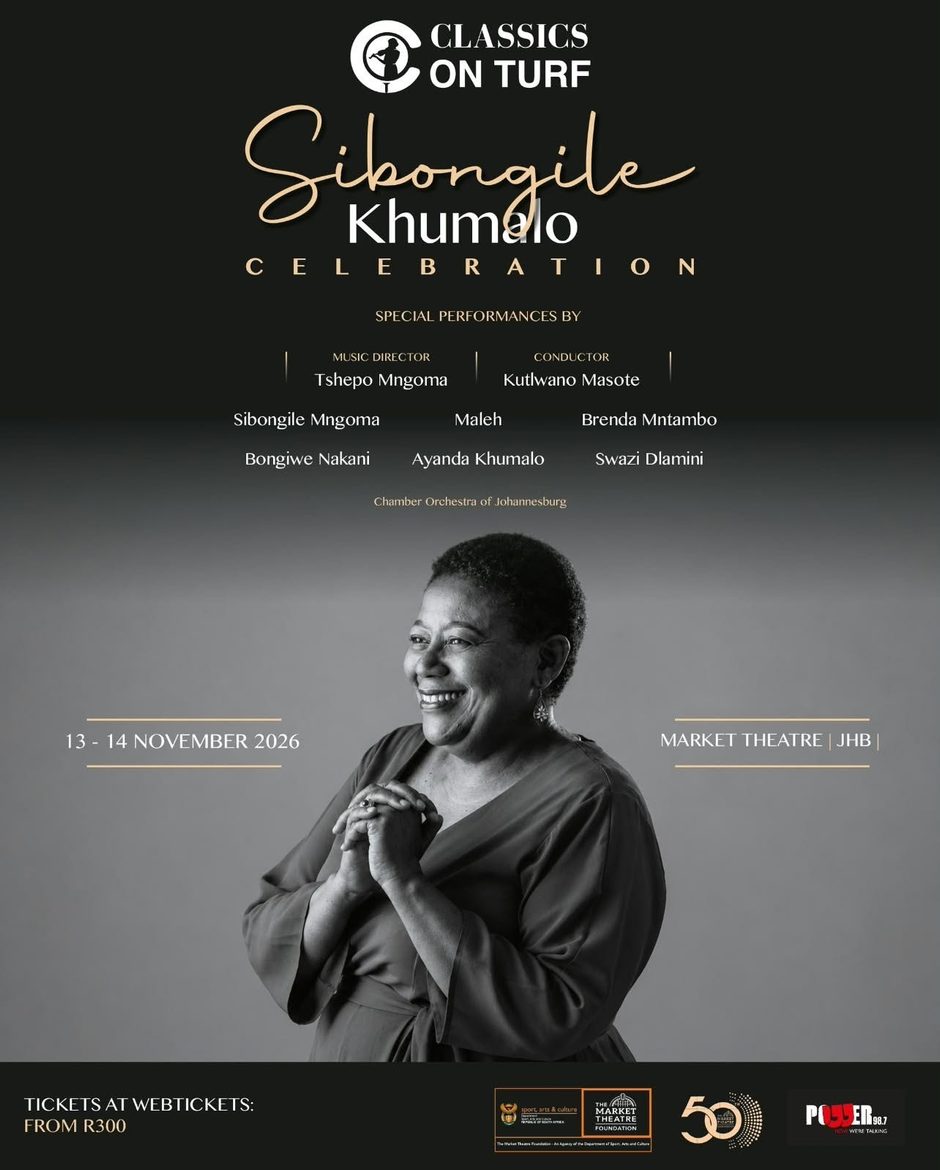
Dates: Friday, 13 November and Saturday, 14 November 2026
Time: 7pm
Venue: The Market Theatre, Johannesburg
Tickets: R300 to R400, available through Webtickets.
READ NEXT: