

Lesotho-born fashion designer Katiso Tsoho is bringing the richness of Basotho culture into contemporary luxury fashion through JOACHIM Garments.
By Mapaballo Borotho
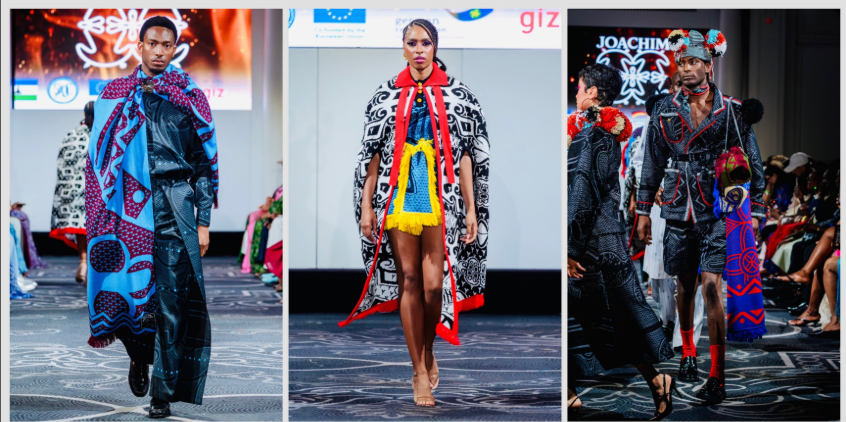
Africa is known for its breathtaking landscapes, beautiful hair, beautiful people, and rich cultures. But beyond all of this beauty is a generation of creatives who are finding new ways to tell African stories – through fashion, art, design, and culture.
These are people who understand that our roots are not something to leave behind. They are something to carry forward, reinterpret, and proudly put on display.
One of them is Lesotho-born fashion designer Katiso Tsoho, the creative mind behind the sophisticated JOACHIM Garments, a luxury fashion brand deeply inspired by Basotho patterns, textiles and cultural identity.
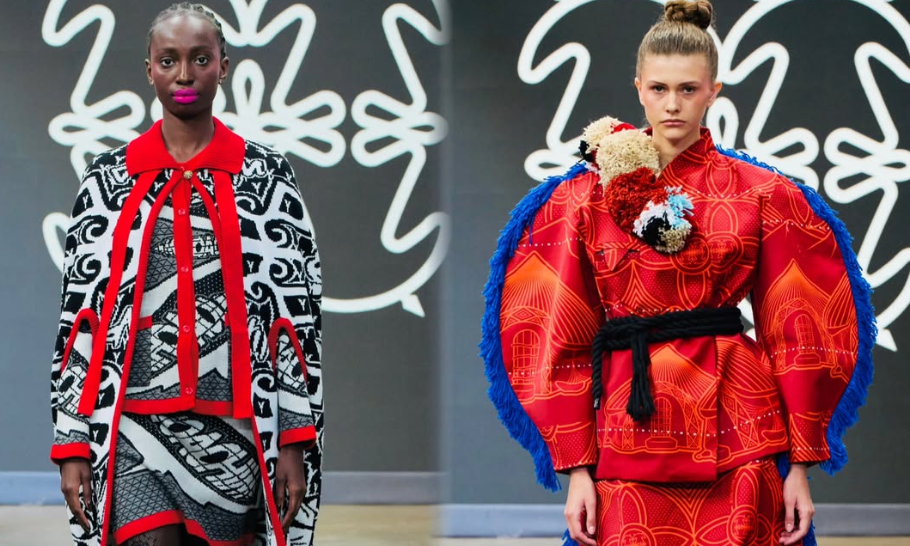
From the iconic Seanamarena to the intricate Litema patterns, JOACHIM takes elements that have existed for generations and gives them a contemporary interpretation, creating pieces that feel rooted in Lesotho while speaking to a global audience.
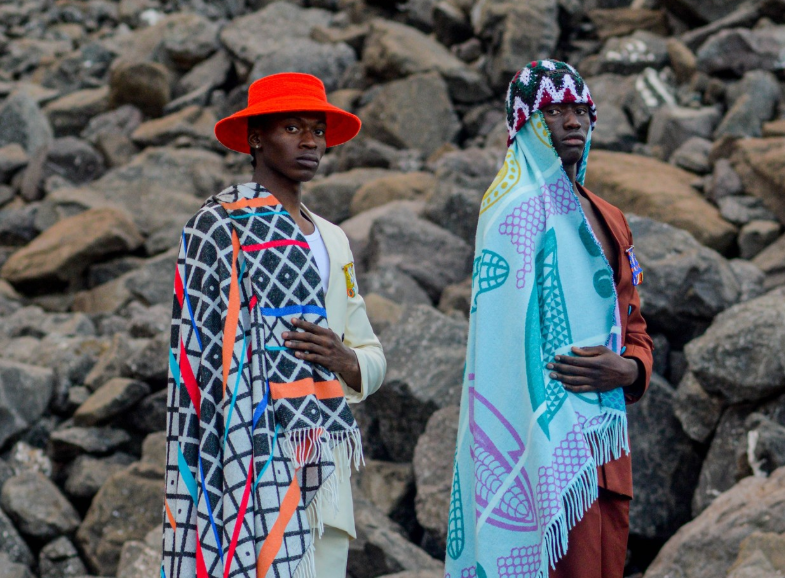
Founded in 2018, JOACHIM Garments reimagines the cultural language of Lesotho through refined tailoring, modern silhouettes and thoughtful craftsmanship.
The brand is deeply rooted in Basotho heritage while confidently looking to the future, creating fashion that is not simply about what you wear, but about where you come from and how that identity makes you feel.
For Katiso Tsoho, that feeling is important.
He wants everyone who wears JOACHIM Garments to feel confident and, even if they are not Basotho, to experience some sense of belonging.
Kaya 959 sat down with Tsoho to get an inside look at the world behind JOACHIM Garments – the inspiration behind the brand, the cultural stories woven into its designs and the future of an African luxury house that has already made its way onto international stages.
From Maseru to Johannesburg and beyond, Tsoho is building a fashion language that allows Basotho heritage to exist comfortably in contemporary luxury.
Meet the man behind JOACHIM Garments
1. For people who are discovering Joachim Garments for the first time, tell us about the person behind the brand. Who is Katiso Tsoho, and what was happening in your life when you decided to venture into fashion?
I’m Katiso Tsoho, a Mosotho creative, entrepreneur and the founder and Creative Director of JOACHIM Garments. I come from Qacha’s Nek, Lesotho, and I think a lot of who I am creatively comes from growing up surrounded by a culture that is incredibly rich in symbolism, dress, architecture, landscape and storytelling.
When I started JOACHIM in 2018, I wasn’t coming from a traditional fashion background. What I had was curiosity, ambition and a very strong desire to create something that represented us differently.
I was looking at the Basotho culture and asking myself why something so visually powerful was not being translated into contemporary fashion at the scale and level of luxury that I imagined. At the beginning, I did not have everything figured out. I was learning business, understanding clothing, understanding customers and developing my own creative language at the same time.
What started as an idea gradually became a much bigger mission: to reimagine Basotho traditional fashion and translate it into wearable contemporary luxury. Today, I see myself as more than somebody who makes clothes. I’m building a fashion house that carries a point of view about where we come from and where African design can go.
2. When someone wears a Joachim Garments piece, what do you want them to feel? Is it simply fashion, or do you see each garment as carrying a story or an identity?
Powerful! I want someone wearing JOACHIM to feel that they are wearing something with presence. Something intentional. There must be confidence in the garment, but also a sense of belonging.
Even when the wearer is not Mosotho, I want them to understand that what they are wearing comes from somewhere. It has history, thought and identity behind it.
The greatest compliment for me is when someone puts on a JOACHIM piece and immediately stands differently. That emotional transformation is important. Luxury, to me, is not only about price or fabrication. It is also about how a garment makes you feel about yourself.
3. Your collections include pieces inspired by textiles like Seanamarena, Litema, and other elements of Basotho culture. How do you decide which cultural stories or symbols become the starting point for a new collection?
It normally begins with a connection. I don’t sit down and say, “Which Basotho symbol haven’t we used yet?” Sometimes it is a memory. Sometimes it is an architectural element, a traditional garment, a story I heard growing up, a landscape, an object or even a phrase.
With something like Litema, for example, I am fascinated by the geometry, rhythm and repetition within the patterns and by the fact that these visual languages existed long before we started talking about contemporary graphic design.
Then I ask how far I can push that reference. It might become a completely new textile pattern. It may become knitwear. It may inform the shape of a garment instead of appearing as a literal print. I think this is important because culture should not become a costume.
I want to respect where the inspiration comes from while allowing myself enough creative freedom to move it forward. Our culture is alive. It should be allowed to evolve.
It is never simply fashion for me. Fashion is the medium, but identity is at the centre of the work. A pattern, a colour, a silhouette or even the construction of a garment can begin with something very specific from Basotho life.
Sometimes it is obvious and sometimes it is completely abstracted. I don’t necessarily want to reproduce traditional objects exactly as they already exist. I am much more interested in interpretation. How do you take something that has existed for generations and translate it into a knit, a jacket, a dress, a shoe or a contemporary silhouette that can exist anywhere in the world? That is where JOACHIM lives. The heritage is there, but the final garment must still feel modern, desirable and relevant.
4. When you look at Joachim Garments five years from now, what do you want the brand to be known for?
I want JOACHIM to be recognised as one of Africa’s important contemporary luxury fashion houses. And I want people to be able to recognise the work before they even see the logo. That is very important to me.
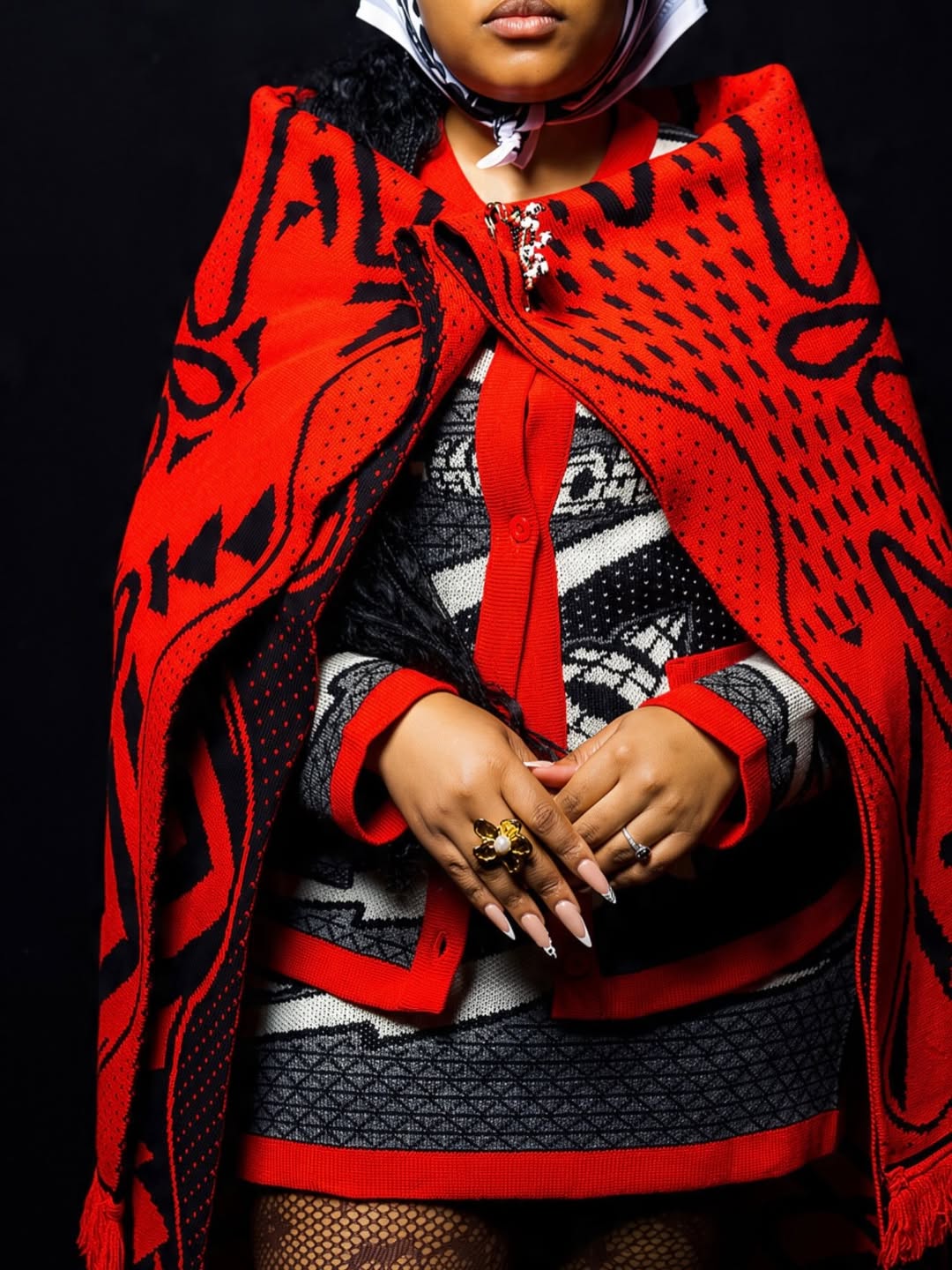
When you see certain fashion houses, you understand their world immediately: the silhouettes, the codes, the craftsmanship, the attitude. I want JOACHIM to develop that same strength of identity. I want us to be known for exceptional knitwear, tailoring, textiles, accessories, and culturally intelligent design.
But beyond the product, I want JOACHIM to represent what is possible when an African brand builds from its own identity rather than constantly trying to imitate established European ideas of luxury.
The ambition is global. I want stores in major markets. I want international collaborations. I want our collections moving naturally between Maseru, Johannesburg, London, Paris, New York and other important fashion cities.
But wherever the brand goes, there should always be something unmistakably Basotho at its core. That is the legacy I am interested in building.
5. And what can people look forward to from Joachim Garments next? Are there new collections, collaborations, new categories or perhaps a bigger vision for the brand that you can give us a glimpse of?
We are entering a very interesting chapter. The brand has grown from individual products into a much broader fashion universe, and now the focus is on building that universe properly. People can expect deeper exploration of knitwear, tailoring, outerwear, footwear, bags and accessories, while continuing to strengthen some of the pieces that people already associate with JOACHIM.
Our SS27 collection, TS’OANTS’O, also represents an important evolution in the way I am approaching storytelling. It is deeply personal, but at the same time it speaks to the direction of the brand internationally.
We have also reached a stage where collaboration has to become more intentional. I am interested in collaborations that allow JOACHIM to enter completely different worlds: sport, automobiles, interiors, hospitality, art, and other areas where design and culture intersect.
Ultimately, I don’t want JOACHIM to exist only as a clothing label. I am interested in building a house. Clothing is where the story began, but I believe the JOACHIM language can eventually exist across many categories and experiences.
6. If someone has never owned a Joachim Garments piece before and wants to start building their wardrobe around the brand, which piece would you tell them to start with?
I would probably say one of our signature knitted pieces or a JOACHIM shawl. Those pieces explain the brand very quickly.
They combine heritage, pattern, craftsmanship and contemporary styling in a way that feels distinctly JOACHIM.
A shawl in particular is interesting because it has such a strong relationship with Basotho identity, yet we have been able to reinterpret it into something that can be worn in completely different environments and styled in completely different ways.
But if you want something you can wear constantly, start with the knitwear. It is easy to live with, but it still carries enough character for somebody to ask, “What are you wearing?” And I think that is a beautiful introduction to the brand.
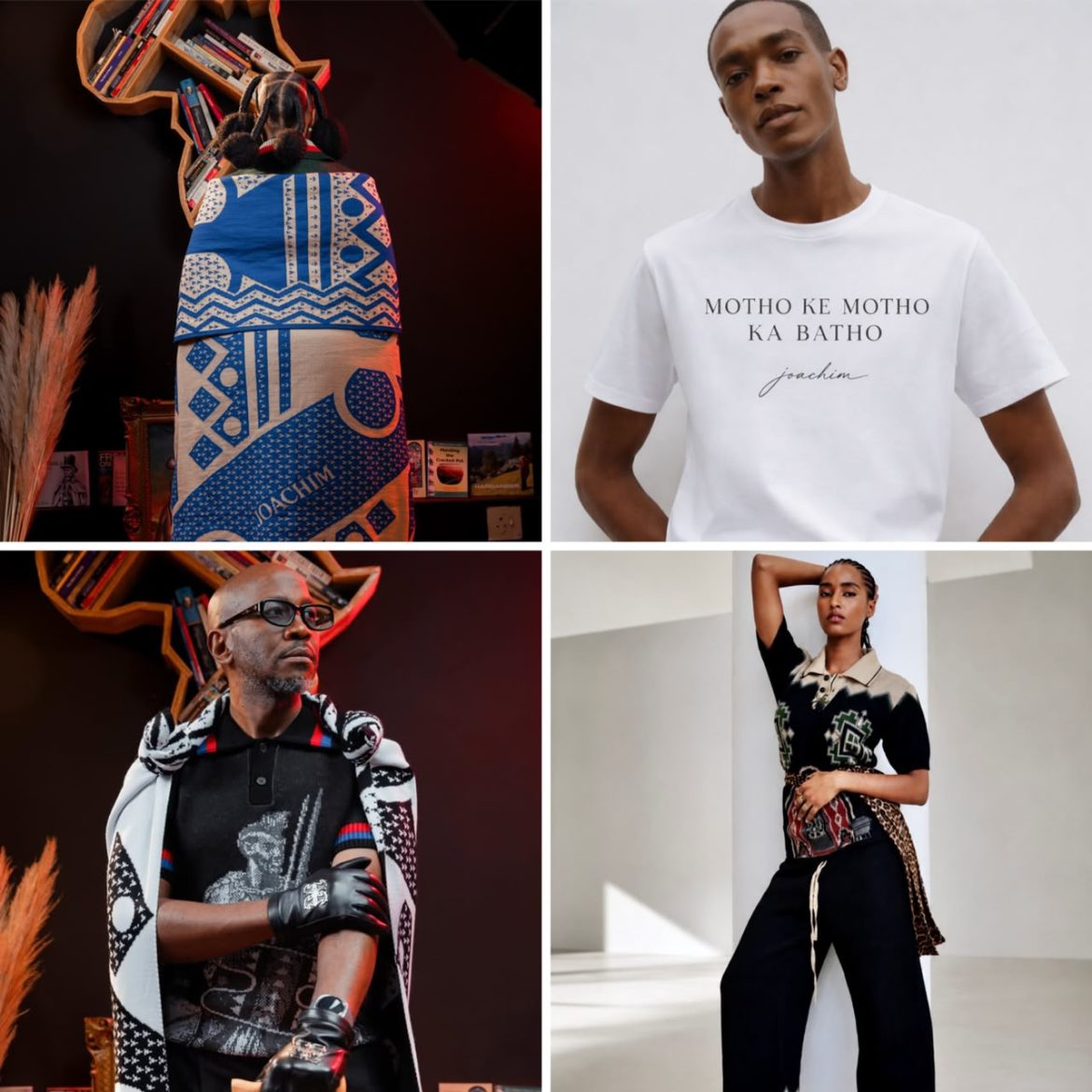
JOACHIM is not just a fashion brand. It tells a story of people who came before us and those who continue to embrace and carry their identities forward.
For Tsoho, fashion is simply the medium. At the heart of JOACHIM is heritage, identity and the freedom to reinterpret culture for a new generation.
The brand has already found itself on international stages, including in London, and if Tsoho’s vision is anything to go by, there is much more to come.
From the mountains of Qacha’s Nek to the global fashion stage, JOACHIM is making a case for a new generation of African luxury, one where heritage is not left in the past but worn proudly into the future.
READ NEXT: