By: Phethagatso Motumi
Looking back at the icon that is Busi Mhlongo, 10 years after her passing, we celebrate a lifelong career that paid homage to tradition through music.
Busi Victoria Mhlongo inspires a feeling. Whether it’s a reminder of home, the struggle, or a legacy that still breathes its way into the sound of South African music today.
Ten years after her passing, it’s easy to think back on where she started. Born in Inanda, Kwa-Zulu Natal on the 28th of October 1947, school was her first teacher as a choir member and it wasn’t long before she was discovered. At 16, she was all over the radio with her version of My Boy Lollipop under the name Vickie. By the early 70s, after a few years singing lead for jazz bands, Mhlongo was exiled, relocating to London.
At the time, her refuge was recording with other South Africans in exile, using music as a form of activism against the apartheid regime. Choosing to be vocal in more ways than one, meant she also lived between the Netherlands and North America for years. Returning in 1979 to tour with Letta Mbula, by the time the 80s came around, Mhlongo was on international stages with Salif Keita and later with Hugh Masekela. It wasn’t until the following decade that she began releasing work as a solo act.
Her first album Babhemu, released in 1993, was received with high praise though it was her second, Urbanzulu from 1998 that is said to be her best work. Not only did she pull from Mbaqanga, Maskanda and Marabi, Mhlongo also experimented with elements of jazz, reggae and funk to create a sound she became known for. Her last two albums Indiza: Voyages Through New Sound from 2002 and Freedom from 2003 were no different, resonating with so many across the globe.
So much of what we heard: from the unforgettable melodies, basslines you felt in your gut, and drum sections that make you want to get up and move were a special formula of instruments – together with her powerful vocal – that showed off who she was and how she came to be. Grounded in her roots from her spirituality, celebrating her tradition, down to the style she chose to carry herself in. Busi Mhlongo was unapologetically bold in a way that’s still visceral every time her music comes on.
Though her creations were categorised as ‘World Music’, with her charting as such to earn a Grammy nomination, 3 South African Music Award wins and a posthumous Order of Ikhamanga in Silver for her contributions to music; there was something so distinctive of a sound that could only be inspired by home. You could tell that Busi Mhlongo’s passion was in her pen, writing on all facets of life from womanhood to oppression, relationships to culture alike. She captured time in a way that was so conscious.
There’s so much to be said about the way she performed as well. Often choosing to do so barefoot, dressed in the most beautiful Zulu attire, the way she gave herself to every part of it felt like ritual. Whether you were fortunate enough to witness it live, or see archival footage thanks to the internet, you can still feel her energy vibrating through the stage.
The collaboration was also a thread Mhlongo tied throughout her career from one generation of musicians to the next. Whether it was bringing local musicians together to create the supergroup Twasa back then, or working with Mafikizolo, Culoe de Song, Black Coffee and more in her final years, Busi Mhlongo has lasting influence over the music we hear today.
While we lost Busi Mhlongo at 62 to an untimely death to cancer, her legacy lives on not only through her music but in the way she inspired others to embrace every part of themselves in song.
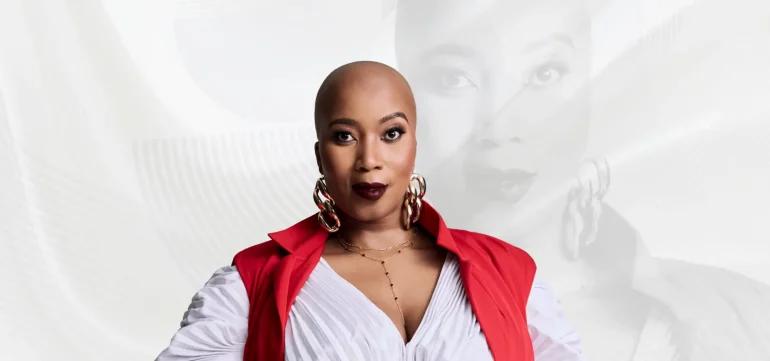
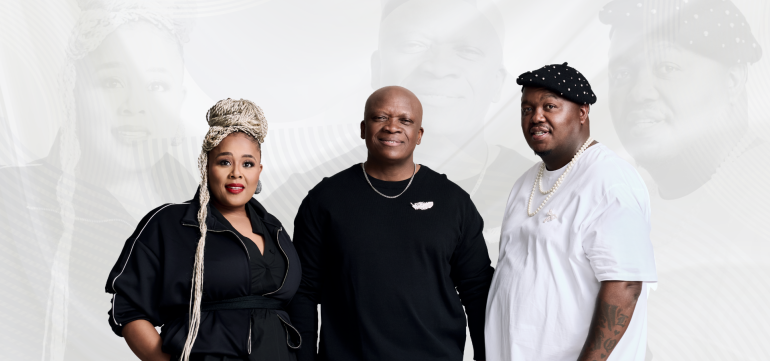
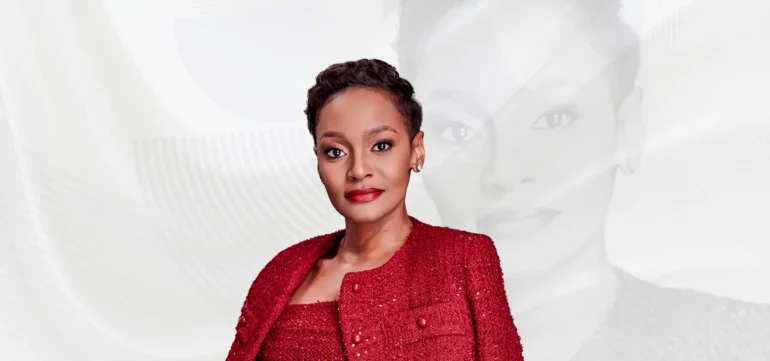
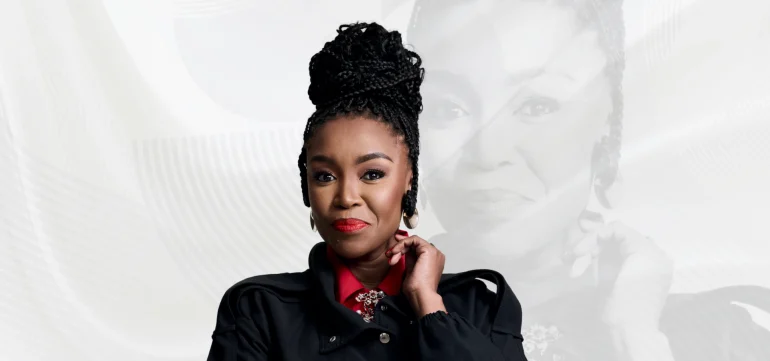
*Monday 15 June marks 10 years since the passing of Busi Mhlongo. To celebrate her rich legacy, Kaya 959 is hosting a webinar.
FACILITATOR
Brenda Sisane
PANELISTS
Thandiswa Mazwai
Mfana Mlambo, Jazz Musician and Composer
Xolisa Gqoli-Dlamini, Vocalist and Composer
Zoe Modiga, Vocalist and Composer
DATE: MONDAY 15 JUNE
TIME: 18:00 – 19:30
RSVP DETAILS: To get a Zoom Link for the webinar, send an email to [email protected]


![[WATCH PODCAST] Kabelo Mabalane teams up with The Arrows for infectious comeback track ahead of 10th studio album](https://www.kaya959.co.za/wp-content/uploads/2026/10/KAYA-959-THUMBNAILS-100x100.png)