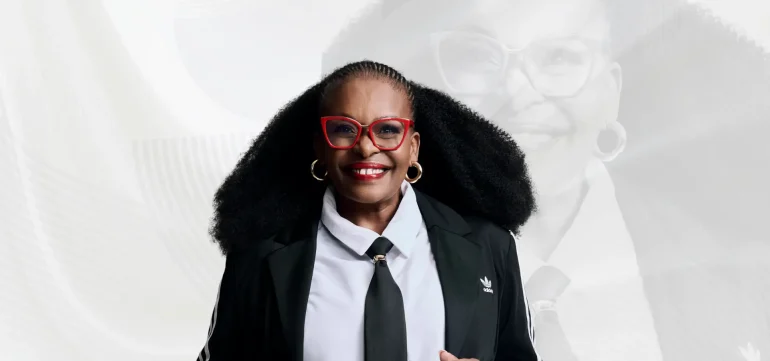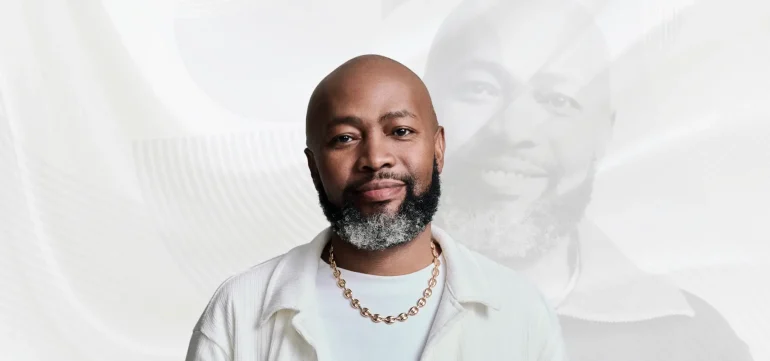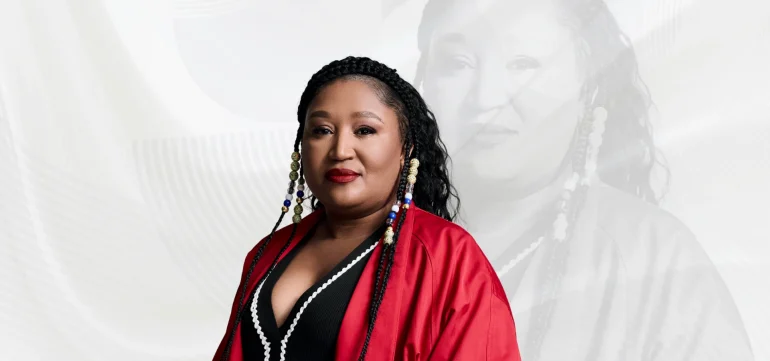

Historian Zikhona Valela provides some of the most fascinating historical facts regarding things that people appreciate or do in their culture. People love and appreciate many things but do they know the origins of some of your favourite things? Will you continue to use them if you discover they have a shady past? Or are you unconcerned as long as you love using them?
The Best T in the City hosted historian Zikhona Valela on My top 10 at 10, who shared incredible historical lessons and insights on some of the practices South Africans follow.
Zikhona did her Masters in History on Winnie Madikizela-Mandela. She excelled at history at the school level, and so it became the field that she felt would make for a fulfilling career in service of seeing black people wrote into the history we have shaped.
5 History lessons by historian Zikhona Valela
- In the 1840s, French missionaries gifted indigo-printed cloth to Basotho Chief King Moshoeshoe I. The King, who was overjoyed, praised the cloth, and it quickly gained popularity among the Sotho residents.
- Planting new jacaranda trees is illegal. Jacarandas are damaging to the South African habitat and ecosystem since they are foreign plants. As a result, fresh tree planting has been rendered forbidden. Jacaranda trees were planted by the coloniser British during the colonial era to eliminate the viability of the soil, its potential to produce anything. Because the roots of jacaranda trees may spread so widely, a huge percentage of the soil is damaged.
- Legend has it that the first blanket was given to King Moshoeshoe I in 1860 by a trader, possibly a man called Howel. When in 1867, Moshoeshoe asked the British for protection against the encroaching settlers, he described it as Queen Victoria “spreading her blanket” of protection over the Basotho nation.
- The lobola is one of the obstacles that prevent black people from getting married. The 11 cattle lobolo figure was imposed on black people by a British Colonizer named Sir Theophilus Shepstone.
- In South Africa, struggle icon heroine Nomvo Booi is not publicly honoured in the same way that all other heroes are. When the PAC’s military branch was founded on September 11, Poqokazi, Nomvo Booi was the first woman to go underground. In exile, she was also a courier and oversaw the welfare division while manufacturing an AK.




![[WATCH PODCAST] Mr. Mercedes drops highly anticipated project, joining forces with Thabo Smol and Spice Drums](https://www.kaya959.co.za/wp-content/uploads/2026/10/KAYA-959-THUMBNAILS-79-100x100.png)
![[WATCH PODCAST] Tumisho Masha commands the screen as colonel Jack Phatudi in M-Net’s new must-watch series](https://www.kaya959.co.za/wp-content/uploads/2026/10/KAYA-959-THUMBNAILS-78-100x100.png)