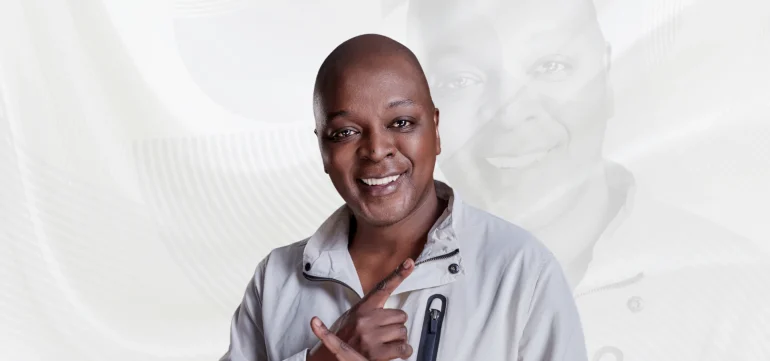
Old Mutual’s Head of Financial Education, John Manyike, unpacks how everyday South Africans can use trust funds to shield their assets from creditors, avoid frozen accounts, and protect generational wealth for their children.
By Zuko Komisa

For many South Africans, “trust fund” conjures images of elite family dynasties.
However, John Manyike, Head of Financial Education at Old Mutual, who recently joined Drive 959 explains that trusts are practical legal tools accessible to anyone looking to safeguard assets such as a family home or share portfolio for their children.
Placing assets into a trust legally separates them from your personal estate. This shields your wealth from creditors, prevents mismanagement after you pass away, and stops accounts from being frozen during lengthy estate wind-ups, ensuring funds continue flowing for expenses like school fees.
“Well, a trust fund is not necessarily for the rich and famous or for millionaires,” Manyike explained.
“Anybody who’s got assets to be passed to their children [can use one].”
Individuals generally choose between two structures: an inter vivos (living) trust, set up during your lifetime, or a testamentary trust, created through your will upon death. Because trust assets no longer legally belong to the founder, they remain protected from personal financial claims provided the founder treats the trust properly and not as a personal bank account.
“Those assets and that money doesn’t belong to you,” Manyike cautioned.
“You are the founder… you can’t just go there and take out the card and think you can withdraw as if it’s a transactional account.”
Despite these protections, trusts carry upfront legal costs and steep tax rates up to 45% on income and 36% on capital gains—if poorly structured. Additionally, mortgaged properties cannot be transferred into a trust until the bank is settled, often requiring life cover to clear the bond first.
“It’s not even the cheapest route, by the way,” Manyike noted, urging South Africans to consult attorneys, tax practitioners, and financial advisers before setting one up.
“Otherwise, it can be a very costly exercise if you don’t manage it properly.”
Listen to the podcast for the full conversation. Kaya 959 podcasts are available to download.
READ NEXT: