The City says a chlorine shortage left water untreated in Bronkhorstspruit for three weeks, while WaterCAN has called for accountability after the outbreak of gastrointestinal illnesses.
By Mapaballo Borotho

The City of Tshwane has admitted negligence after supplying unchlorinated water to communities in Bronkhorstspruit for three weeks, leaving 408 people, mainly children, affected by gastrointestinal illnesses.
An investigation found that water from the Bronkhorstspruit Water Treatment Plant was not chlorinated between 24 September and 14 October 2026.
Authorities have since warned residents in affected areas not to drink, cook, bathe or wash with tap water, even if it has been boiled.
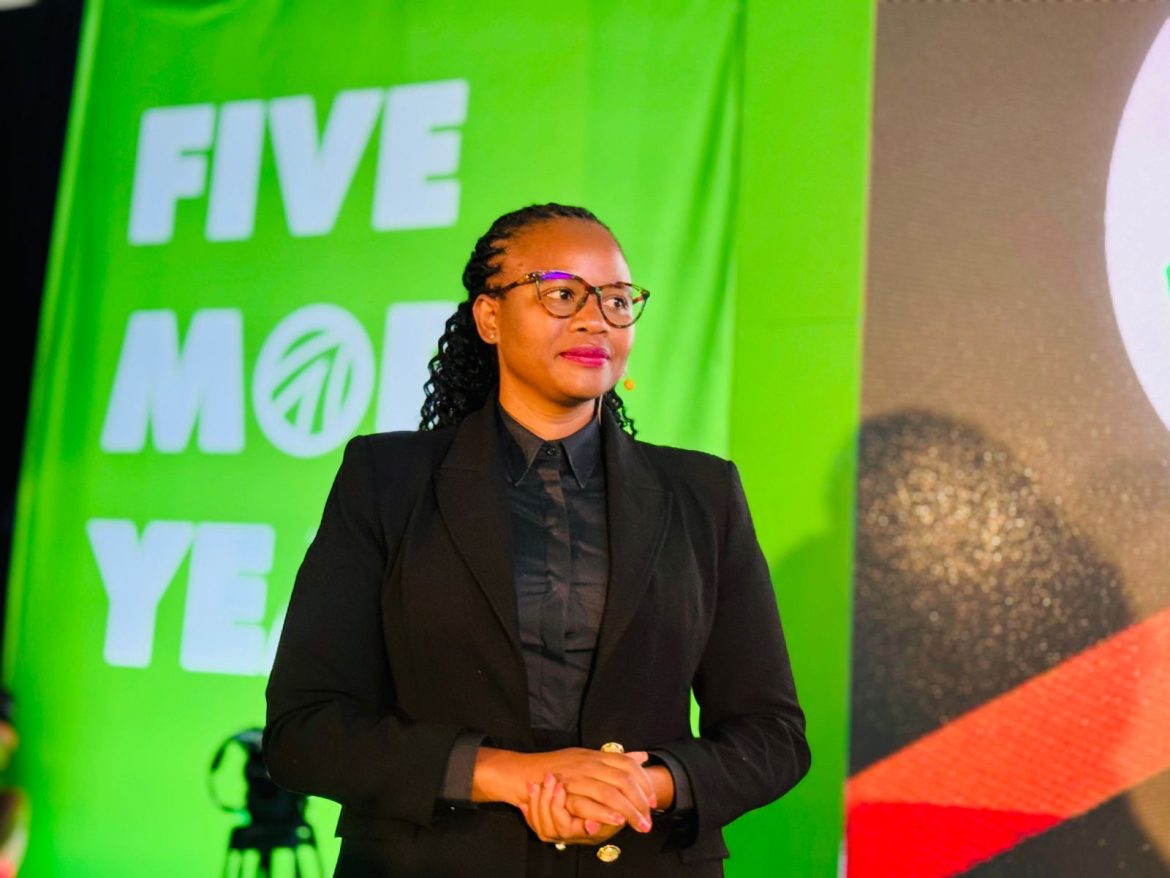
City of Tshwane Mayor Nasiphi Moya said the City ran out of chlorine following a dispute with its supplier, while an investigation found that the water source had been affected by sewage pollution.
Following concerns about a possible cholera outbreak in the area, Moya said preliminary findings had not indicated cholera, but diarrhoeal illnesses.
“We were informed after the second of October, after a large number of patients flocked to the Bronkhorstspruit hospital. And we continued to see a spike in similar cases; this is when we realised that there’s actually an outbreak,” she said.
Moya confirmed that a particular type of organism had been detected in the water supplied to residents. She said the City and the Department of Water and Sanitation were conducting further tests to establish the source of the contamination.
“The preliminary results as conducted by the NICD shows that the source is in the water and of course we know that Bronkhorstspruit has had water issues for years. It is not something out of the ordinary, it’s just that we do not know exactly because the residents are used different sources of water.
Others are supplied through the plant, others from boreholes and JoJo tanks,” she said.
Listen to the podcast for the full conversation.
Meanwhile, other political parties in the City of Tshwane have threatened to open a criminal case against Moya, alleging that she placed residents’ lives in danger.
WaterCAN Citizen Science and Training Coordinator Nomsa Daele said water-related problems are not new to the City of Tshwane.
“It has been there for years. We have been speaking about the water crisis within Bronkhorstspruit. There are six criminal cases involving the wastewater treatment infrastructure, with some dating back to more than six years ago,” Daele said.
Daele said the water treatment plant running out of chlorine amounted to negligence, which had affected residents’ lives and health.
“The fact that they stayed that long with chlorine without informing the community or relevant authorities is pure negligence and someone needs to be held accountable for that,” she added.
Listen to the podcast for the full conversation. Kaya 959 podcasts are available to download.
Meanwhile, Rand Water has called on residents from different municipalities to use water sparingly to help stabilise the suystem.
The utility warned that despite pumping at maximum capacity, water demand continues to rise and consumption has reached record levels.
Rand Water warned that sustained overconsumption is making it hard for the utility to balance supply across the network and heightens the risk of water outages in affected municipalities.
Affected metros include the City of Johannesburg, Tshwane and Ekurhuleni.
READ NEXT: