
By Mapaballo Borotho
- South Africa has recorded four additional mpox cases, bringing the total to 26 across five provinces.
- Symptoms include a rash, fever, headache, muscle aches, swollen lymph nodes and fatigue.
- The public is urged to avoid close contact with suspected cases, monitor symptoms after exposure and seek medical advice if concerned.
The Department of Health has confirmed four additional cases of mpox in South Africa, bringing the total number of laboratory-confirmed cases in the country to 26.
Of the 26 cases recorded, 18 were reported in the Western Cape, three in Gauteng, two in the Eastern Cape, two in the Free State and one in KwaZulu-Natal.
Health Department spokesperson Foster Mohale said two of the 18 cases in the Western Cape involved foreign nationals who were visiting South Africa, while the remaining 16 were linked to local transmission.
“Twenty-five of the 26 cases are male, aged between 23 to 50 years and a median age of 37 years. Clade and lineage information is currently available for 17 cases, of which 13 are associated with the Clade Ib mpox virus and four with Clade IIb,” Mohale said.
Members of the public are urged to remain vigilant and seek medical attention if they develop symptoms associated with the illness.
What are the symptoms of mpox?
The Department of Health has advised the public to look out for the following symptoms:
- A rash, which may develop into blisters or sores.
- Fever.
- Headache.
- Muscle aches.
- Swollen lymph nodes.
- Fatigue.
Anyone who suspects they have been in close contact with someone who has mpox is urged to seek medical advice and monitor themselves for symptoms for 21 days.
“Should symptoms develop, they should avoid close contact with others and seek medical attention,” Mohale added.
How can you protect yourself against mpox?
Individuals should avoid close, skin-to-skin contact with anyone who has an mpox-like rash. People should also avoid sharing bedding, towels, clothing and other personal items with someone who has the infection.
Healthcare workers are urged to maintain a high index of suspicion when assessing suspected cases and to follow infection prevention and control protocols.
“The Department will continue to work closely with the National Institute for Communicable Diseases (NICD), provincial health authorities and other stakeholders to strengthen surveillance, case finding, contact tracing, risk communication and community engagement in order to contain further spread of mpox,” Mohale said.
What is mpox?
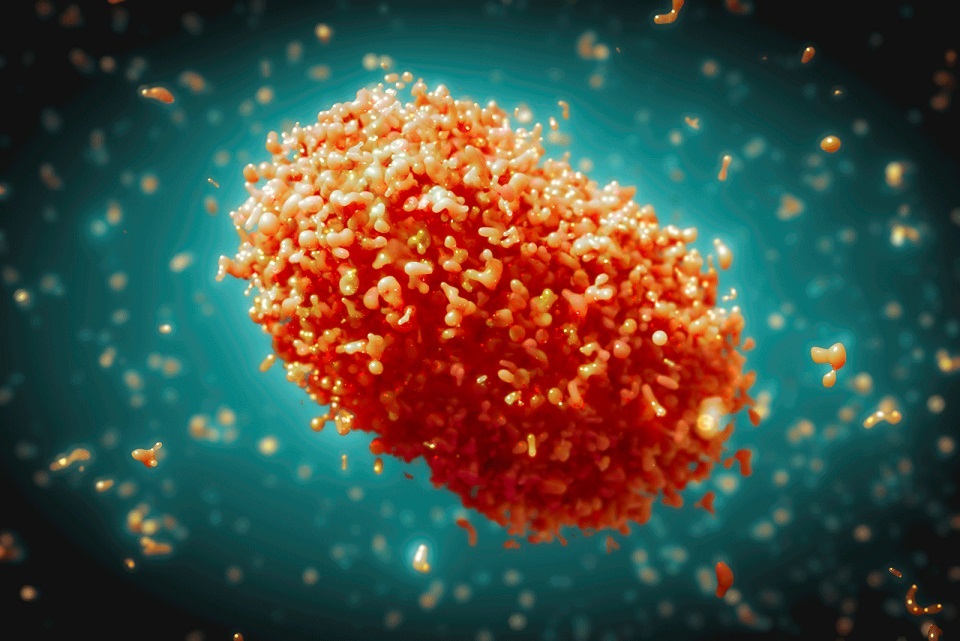
According to the World Health Organisation (WHO), mpox, previously known as monkeypox, is a viral illness caused by the monkeypox virus, which belongs to the Orthopoxvirus genus.
The virus has two distinct clades: clade I, which includes subclades Ia and Ib, and clade II, which includes subclades IIa and IIb.
The 2022–2023 global mpox outbreak was caused by the clade IIb strain. More recently, an increase in cases in the Democratic Republic of the Congo and other countries linked to clades Ia and Ib has raised international concern.
How is mpox transmitted?
Mpox can spread through close physical contact with someone who has the infection, including skin-to-skin contact and contact with lesions, bodily fluids or contaminated materials such as clothing and bedding.
Transmission can also occur through respiratory particles during prolonged close contact. In healthcare settings, exposure through needlestick injuries is another possible route.
The virus can also be transmitted during pregnancy or birth. Infection during pregnancy can pose serious risks to the fetus or newborn, including pregnancy loss, stillbirth and other complications.
People who have multiple sexual partners may have a higher risk of exposure, particularly where close physical contact occurs with someone who has the infection.
Who is at risk of mpox?
According to the WHO, groups that may face a higher risk of exposure include:
- Healthcare and care workers who may come into contact with the virus.
- People living in the same household or close community as someone with mpox, including children.
- People with multiple sexual partners, including men who have sex with men.
- Sex workers of any gender and their clients.
However, mpox can affect anyone who has been exposed to the virus. It is important not to stigmatise people based on their gender, sexuality, occupation or nationality.
The WHO says most people with mpox recover within two to four weeks after seeking medical attention.
Anyone who suspects they have the infection should seek medical advice promptly, follow healthcare guidance and avoid close contact with others while awaiting assessment.
READ NEXT: