From ancient East African royalty to Mzansi’s hottest agricultural investment, discover why Ankole cattle with their record-breaking R6.4 million price tags and built-in “radiator” horns are taking South African farming by storm.
By Zuko Komisa
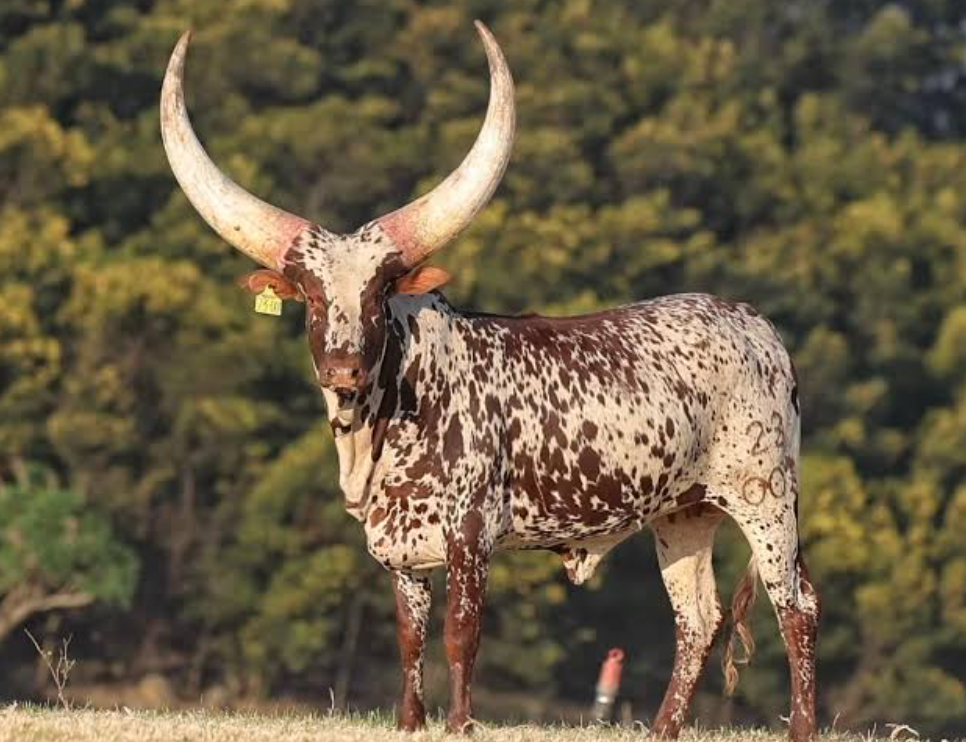
When Queen Arusha walked into the Ntaba Nyoni & Friends auction ring, she didn’t just turn heads she shattered records.
Fetching a jaw-dropping R6.4 million, this crown jewel of livestock proved that Africa’s most iconic long-horned cattle are no longer just a royal African legacy; they are one of the hottest investments in South African agriculture.
With giant, sweeping horns that look sculpted for a museum, Ankole cattle are stopping city slickers and seasoned farmers in their tracks.
But beyond the glitz of multi-million-rand price tags lies a story of survival, built-in air conditioning, and ancient African heritage.
We caught up with Dr Anton De Swardt, President of the Ankole Cattle Breeders’ Society of South Africa, to unearth what makes these magnificent animals worth every cent and why the secret to their success is much cooler than you think.
Built-in air conditioning: Horns that do more than look pretty
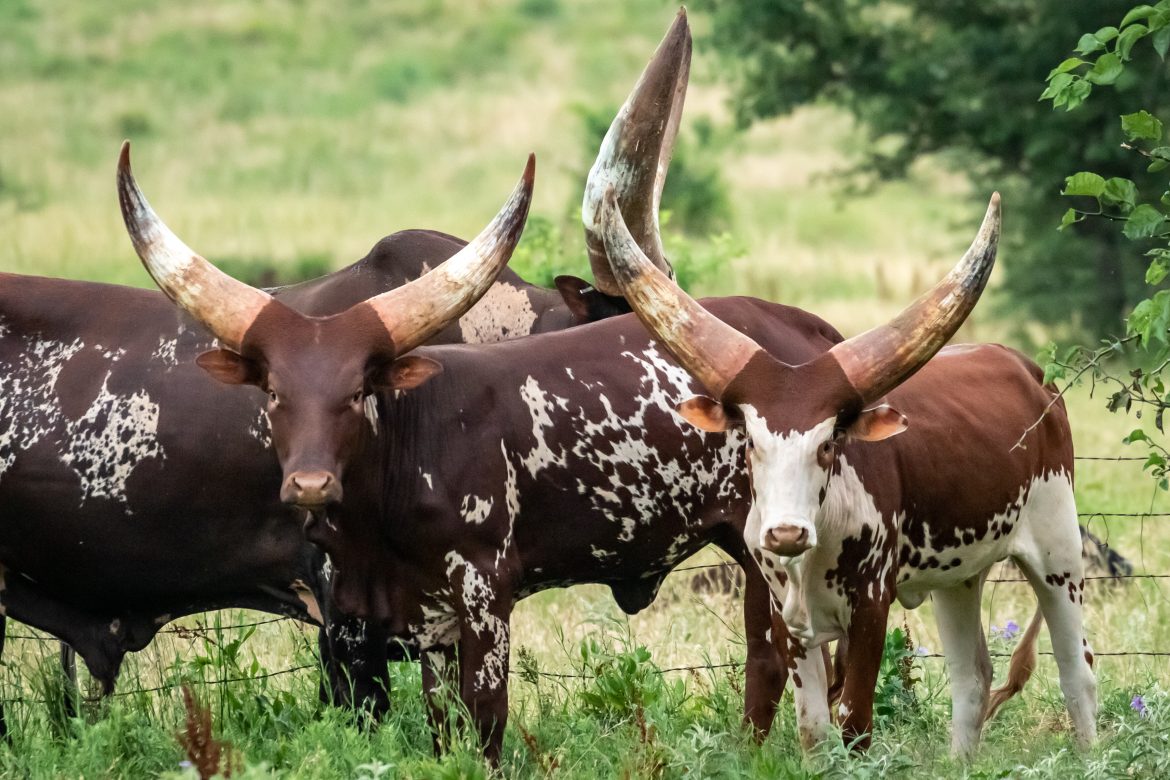
At first glance, an Ankole’s majestic horns look purely ornamental, but nature is a master engineer. Reaching staggering lengths, these biological marvels are actually sophisticated survival tools honed over centuries in the Great Lakes region of East Africa.
“Importantly, their horns are not merely ornamental. Their large surface area and blood circulation assist with thermoregulation, helping the animals dissipate body heat.”
— Dr Anton De Swardt
While heat waves leave other commercial breeds panting in the shade, the Ankole’s massive horn structure acts like a radiator, circulating blood to flush away body heat. Paired with a sleek, heat-reflective coat, these cattle are tailored specifically for the harsh African sun.
The ultimate survivalists: off-roaders of the veld
Forget spoiled show animals. Rooted in traditional pastoral communities like the Bahima and Banyankole, Ankole cattle were forged in extreme landscapes where only the tough survived. From the dry stretches of Limpopo to the rugged terrain of the Western Cape, they thrive where other breeds struggle.
“Ankole can thrive in marginal grazing conditions… We believe that hardiness is one of the breed’s greatest assets, but hardiness should never be confused with an absence of proper livestock management.”
— Dr Anton De Swardt
Able to trek vast distances across tough terrain and digest coarse, low-nutrient forage, they are the ultimate “off-roaders” of the livestock world. Better yet, for health-conscious foodies, Ankole meat is a game-changer: leaning somewhere between high-end commercial beef and venison, offering a delicious, super-lean, health-packed protein choice.
From 2005 newcomers to a national phenomenon
The story of Ankole in South Africa is a dizzying success story. The very first live calves from imported genetics arrived on local soil in 2005. Fast forward to today, and the breed has exploded across all nine provinces.
| Year | Registered Cattle | Registered Breeders |
| 2018 | 710 | 26 |
| 2025 | 1,792 | 62 |
| 2026 | 1,900+ (Fullblood) | 94 |
Despite this booming popularity, Dr De Swardt emphasizes that the Society’s focus isn’t just on numbers, but on preserving pure, traceable African lineage verified by DNA testing.
“Our greatest responsibility is not simply to increase the number of Ankole cattle in South Africa. It is to ensure that the breed we hand over to the next generation is genetically sound, properly documented and remains true to its African heritage.”
— Dr Anton De Swardt
Advice for future farmers: Look past the crown
With headline-grabbing auction prices, it’s easy for new farmers to get swept up in “horn fever.” But Dr De Swardt offers a reality check for anyone looking to step into the ring.
“My single most important piece of advice to anyone considering investing in Ankole cattle is: Invest in genetics, not merely in impressive horns.”
— Dr Anton De Swardt
For emerging farmers looking for an affordable entry point into this prestigious breed, Dr De Swardt suggests starting small or investing in implanted embryos carrying registered stud genetics the most cost-effective way to build a high-value herd from the ground up.
READ NEXT: