
Dr Bruce Lelala on the part of the breast cancer journey we rarely talk about
Katlego Sekhu
The month of October brings the reminder that early detection saves lives. But for many women, surviving breast cancer is the start of another journey, one that often begins with a mastectomy.
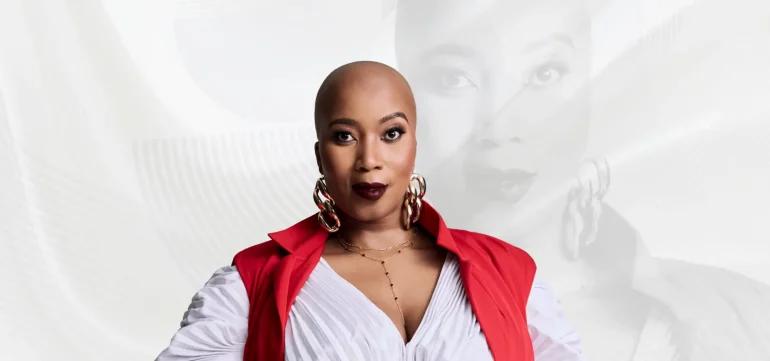
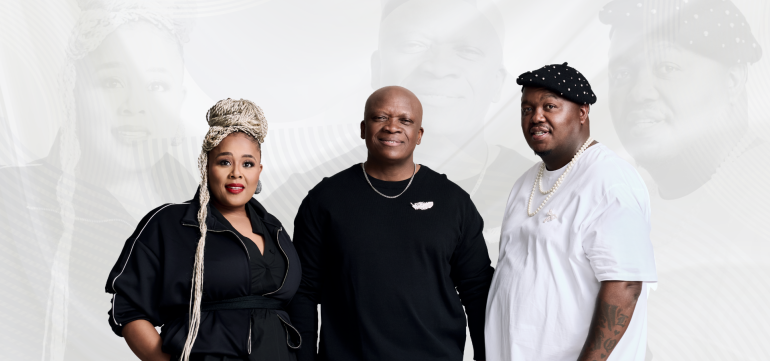
On Stuff About Stuff, Kaya Breakfast’s DJ Fresh and Thato Mataboge spoke to Dr Bruce Lelala, a plastic and reconstructive surgeon trained in microsurgery and breast oncoplastic surgery, about what comes next, and why reconstruction belongs in the conversation from the start.
Early detection starts at home
Women with risk factors, including a family history of breast cancer, obesity or smoking, should be screened earlier. For everyone else, he says, the guidelines recommend screening from 40.
He is also seeing the disease in younger women. “I’ve seen patients in their late 20s,” he says.
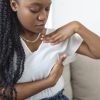
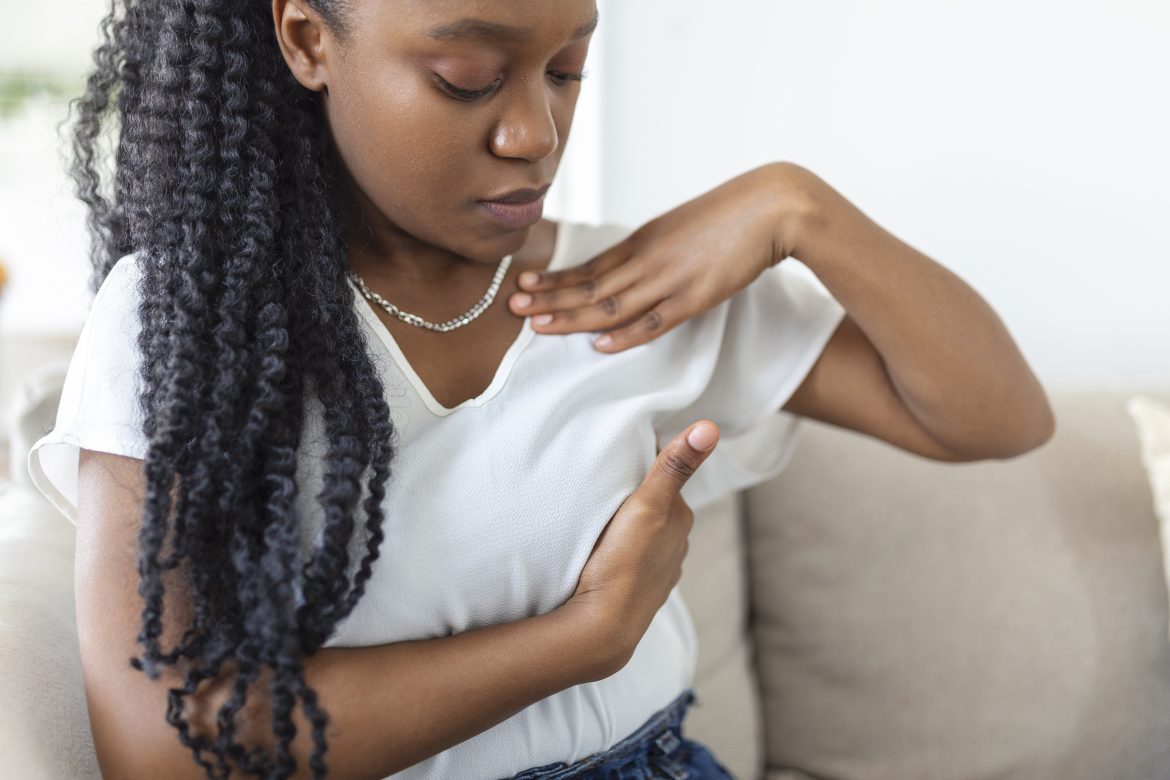
His advice for self-examination is to divide each breast into four quadrants, check each one gently, and include the area towards the armpit. “Remember, the axilla is also part of your breast,” he says. A lump, anything unusual or discharge from the nipple should be checked. “Please seek assistance as soon as you can, because this can be curable.”
One operation, not two
Ideally, he says, the mastectomy and reconstruction happen together, with studies showing psychological and sexual benefits for women who wake up from surgery already reconstructed. “It is a game changer,” he says. “I think that should be the standard of care.”
Access, however, depends on where you are treated. “In the public sector, there’s a massive backlog,” he says, adding that resources differ from province to province. Private patients tend to have more options, and he says medical aids are increasingly willing to fund these procedures, with his team seeing little resistance.
That matters, because reconstruction is too often dismissed as vanity. “It is not a cosmetic operation, that I can tell you for sure,” he says.
For women who have already had radiation, delayed reconstruction is possible but more complex. “It’s going to be a much longer journey,” he says.
Men are not exempt
Men have breast tissue too, and can develop breast cancer. The same self-examination applies, and a swollen breast should be checked whether it hurts or not. “If we have a swollen breast, especially if it’s unilateral, that’s a very, very red flag,” he says.
Surviving breast cancer is the goal. Feeling whole afterwards should be part of it.
To hear the full discussion, listen to the podcast.
Read Next: ‘I was very close to giving up’: How Sihle Magubane kept Sihle’s Brew going