Sihle Magubane caught five taxis to deliver one box of coffee. Now Sihle’s Brew is heading back to the shelves
Katlego Sekhu
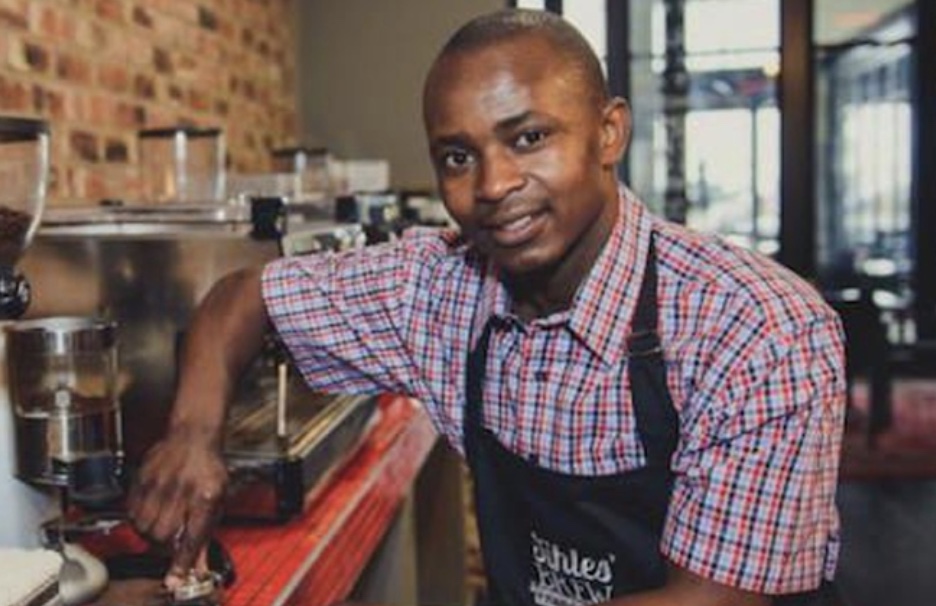
He caught five taxis to deliver one box of coffee. Now Sihle’s Brew is heading back to the shelves
Some founders wait for a seat at the table. Sihle Magubane decided to build his own.
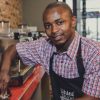
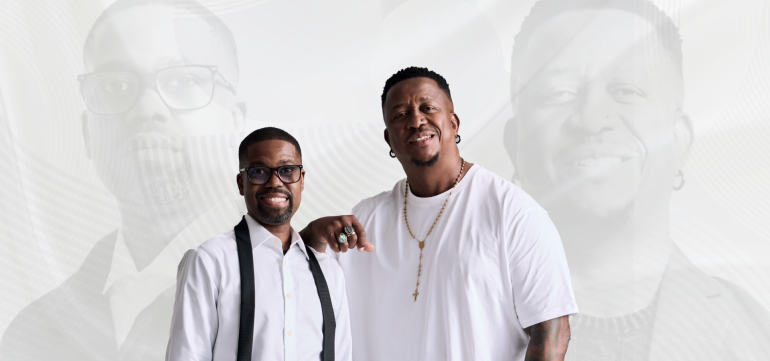
Raised in Nkandla, he lost his mother and was working to help provide for his siblings by the age of 16. After matric, he moved to Johannesburg, trained as a barista and learned the coffee business from the inside before launching Sihle’s Brew in 2012. On Kaya Big Moves, DJ Fresh and Thato Mataboge asked him what it really took to get his coffee onto supermarket shelves across the country, and what it has cost to keep it there.
Five taxis and a provident fund
The first year nearly ended it. “I was very close to giving up because I think the first year I thought maybe I’d made a bad choice,” he says.
When his vehicle broke down, he kept delivering anyway. “I would catch three, four or five taxis just to deliver one box,” he recalls.
He funded the business from the provident fund he had built up working for a major coffee company and later as a product specialist. For over five years he bought and resold beans and trained others to do the same, before investing in packaging. Money made exhibiting at five stalls over five days went into his first coffee shop.
The hidden cost of a supermarket shelf
At one point, a retailer opened more than 1,300 stores to his coffee, and the product did well. But Sihle soon learned that getting onto the shelf is only the start. Stock that doesn’t sell is returned at the end of the year, fees come at every step, and a product that isn’t packed onto the shelf sits unsold at the back.
The hardest lesson came in Cape Town, where relying on a courier company cost the business heavily. “We had to downscale and then re-brand everything,” he says. He calls it the business’s biggest learning curve in retail.
Back on the shelf
At its peak, Sihle’s Brew employed 23 permanent staff and ran five coffee shops and a manufacturing plant. Covid and load shedding changed that, and rising overheads forced the business to scale back.
Training through GIBS Business School helped him find a clear direction. “That’s where everything changes,” he says.
Now he is preparing to return to retail. “We’re working with them closely to put the product back on shelf,” he says of Pick n Pay, with certification and audits to complete first. The brand has also just launched an instant coffee, which is headed home to Nkandla.
To hear the full discussion, listen to the podcast.
Read Next: The ultimate local bucket list: Breathtaking places you need to see to believe