
By Zuko Komisa
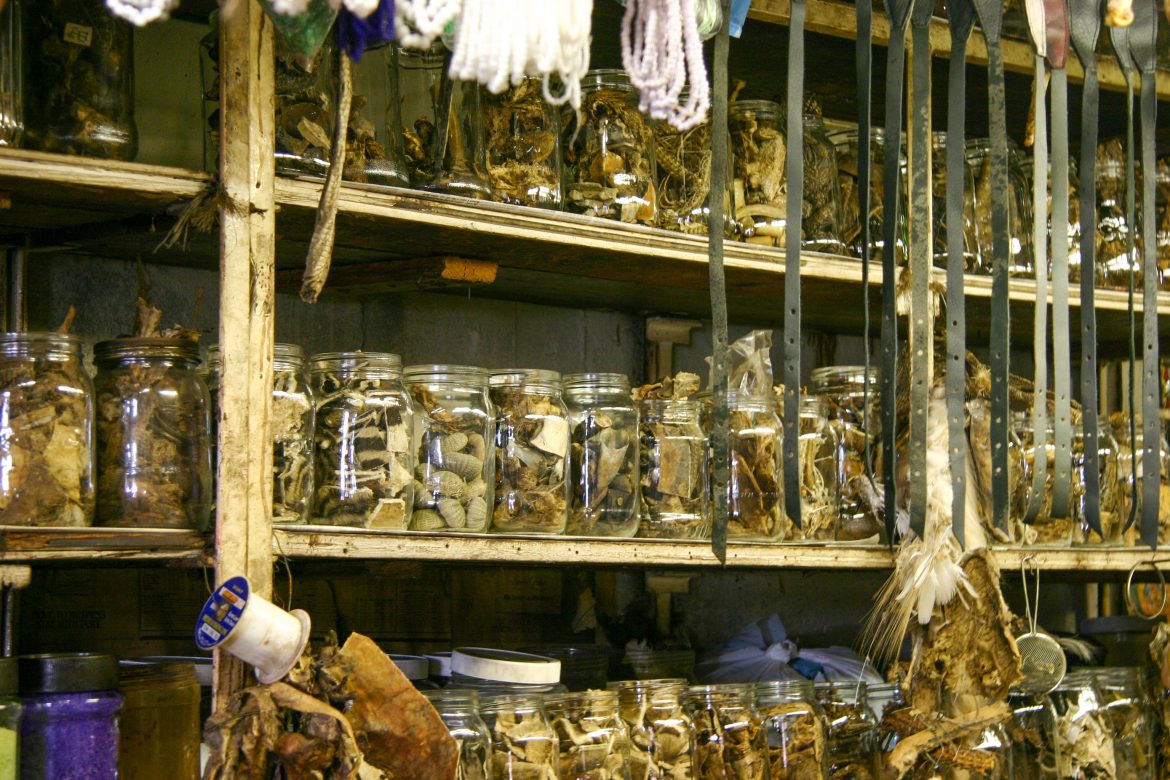
- Government formally commits to bringing traditional healers into the National Health Insurance fold to achieve true universal care.
- Officials are establishing clear regulatory standards to guarantee safety and quality while preserving indigenous knowledge.
- New protocols will ensure traditional practitioners are recognized, documented, and compensated when their remedies undergo scientific research.
For generations, traditional practitioners have been the first line of defense for communities seeking comfort, care, and connection to their heritage.
Speaking at the African Traditional Medicine Commemorative Day in Mpumalanga, Deputy Minister of Health Dr Joe Phaahla acknowledged that any healthcare model ignoring these trusted community figures fails the very people it serves.
The initiative aligns with World Health Organisation recommendations, which urge nations to blend time-honored traditional practices into formal medical systems to make healthcare more compassionate, accessible, and effective.
Rather than treating indigenous remedies as separate from clinical science, the government aims to build a collaborative environment built on mutual respect and rigorous safety. Central to this human-centered approach is ensuring that traditional healers are no longer sidelined when their knowledge contributes to breakthrough treatments.
In an official statement addressing the practitioners directly, Dr Phaahla reassured healers that their lifelong contributions and intellectual property would be safeguarded:
“As government, we don’t have disagreements with you about the fact that when research is happening and products are being confirmed to be safe, effective and to be able to help people, we must make sure that the people who came with those products are recognised.”
By establishing formal regulation and fair compensation, the state is taking a vital step toward honoring the healers who have quietly sustained South African communities for centuries. This shift promises not only safer, standardized care for patients, but also a future where culture and science walk hand in hand.
READ NEXT:
![[WATCH PODCAST] Mr. Mercedes drops highly anticipated project, joining forces with Thabo Smol and Spice Drums](https://www.kaya959.co.za/wp-content/uploads/2026/10/KAYA-959-THUMBNAILS-79-1170x658.png)
![[WATCH PODCAST] Tumisho Masha commands the screen as colonel Jack Phatudi in M-Net’s new must-watch series](https://www.kaya959.co.za/wp-content/uploads/2026/10/KAYA-959-THUMBNAILS-78-1170x658.png)
![[WATCH PODCAST] Mr. Mercedes drops highly anticipated project, joining forces with Thabo Smol and Spice Drums](https://www.kaya959.co.za/wp-content/uploads/2026/10/KAYA-959-THUMBNAILS-79-100x100.png)
![[WATCH PODCAST] Tumisho Masha commands the screen as colonel Jack Phatudi in M-Net’s new must-watch series](https://www.kaya959.co.za/wp-content/uploads/2026/10/KAYA-959-THUMBNAILS-78-100x100.png)