
By Katleho Sekhotho
- Healthcare workers in Kenya’s Homa Bay County are warning that delayed diagnosis and difficulty staying on treatment for diabetes and hypertension can lead to serious complications.
- MSF is bringing chronic disease care closer to rural communities through a decentralised care model, reducing the need for stable patients to travel long distances for routine treatment and follow-ups.
- The experience highlights the growing burden of non-communicable diseases across sub-Saharan Africa and the importance of early screening, treatment, patient education and accessible long-term care.
As diabetes and hypertension continue to place growing pressure on health systems across Africa, healthcare workers in Kenya’s Homa Bay County are warning that delayed diagnosis and difficulty staying on treatment are leaving some patients vulnerable to serious complications.
Kaya News reporter Katleho Sekhotho is in Kenya with Doctors Without Borders (MSF), looking at how the organisation is bringing chronic disease care closer to patients in rural communities.
The reality of delayed care
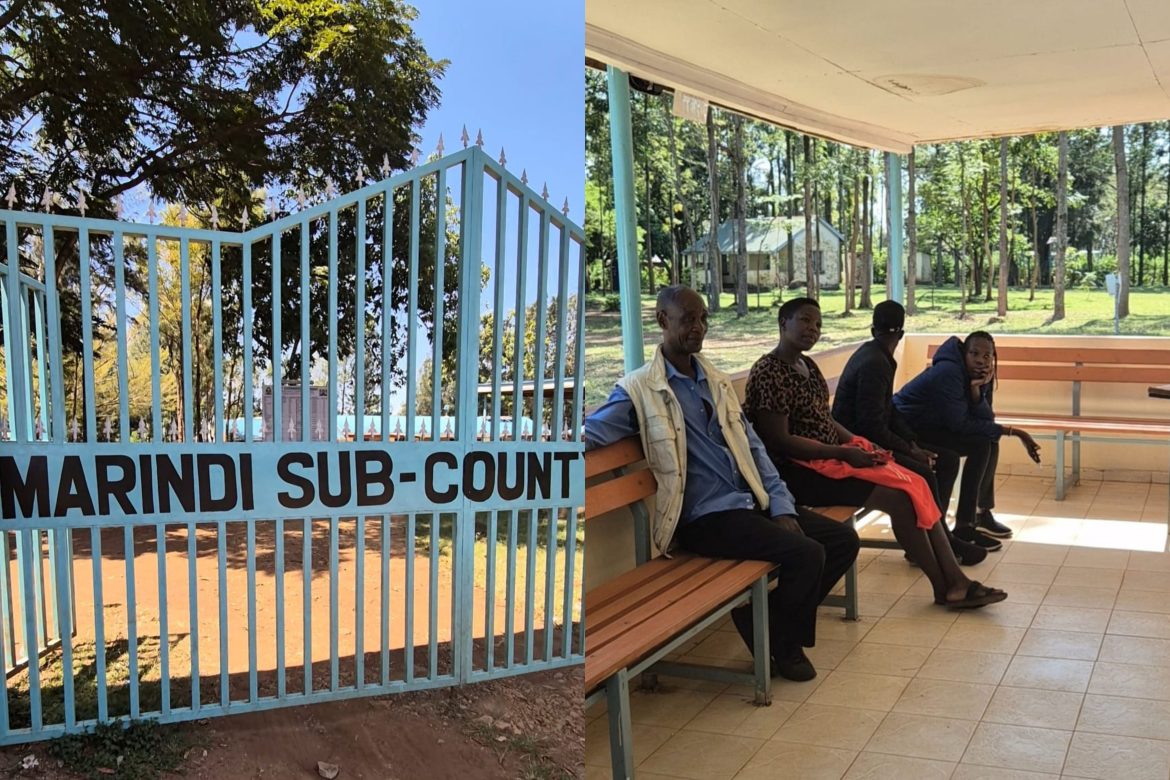
At Marindi Sub-County Hospital, clinicians are seeing the reality of this changing health burden first-hand.
For many patients, the challenge is not only getting diagnosed, but also staying on treatment and returning regularly for follow-up.
Healthcare workers say some people may not recognise the warning signs of diabetes and hypertension, while others delay seeking medical care because of misconceptions about chronic diseases or a preference for traditional and alternative treatments.
Johnkirk Paul, a clinician at Marindi Sub-County Hospital, says some patients are given false reassurance by traditional herbalists, leading them to delay medical treatment.
“But now back at home, there are some traditional herbalists that explain to people, ‘after using this herb, you can carry on with your normal life’, so he [a patient] came back for amputation.”
The case illustrates the potentially serious consequences of delaying treatment for chronic diseases.
The growing burden of diabetes and hypertension
Diabetes and hypertension are often described as silent killers because people can live with the conditions for years without knowing they are sick.
But without diagnosis and appropriate treatment, the diseases can cause serious complications affecting the heart, kidneys, eyes, nerves and blood vessels.
In Kenya, diabetes and other non-communicable diseases account for up to 39% of deaths.
Homa Bay, which has historically carried a high HIV burden, is now also facing the growing challenge of chronic diseases.
An internal review at Homa Bay County Teaching and Referral Hospital in 2019 found that one in five deaths was linked to a chronic disease or its complications.
Healthcare workers say they have seen patients arrive at health facilities only after their conditions have progressed significantly.
Access to care remains a challenge
For patients living in rural communities, accessing treatment can present another challenge.
Managing diabetes or hypertension often requires regular visits to a health facility for medication, monitoring and follow-up. For patients who live far from referral hospitals, the cost and time involved in making repeated journeys can make it difficult to remain in care.
Despite these challenges, clinicians at Marindi say many patients who are receiving care are managing to keep their conditions under control.
Paul says:
“So we’re around 86% of controlled hypertension, for the diabetes we’re around 75%, but Type 1, we are still having a challenge. So other factors are, nutritional factors at home.”
The figures point to both progress and continuing gaps in chronic disease care.
Type 1 diabetes presents particular challenges, while nutrition and other factors at home can affect how effectively patients manage their conditions.
Bringing chronic disease care closer to communities
It’s a challenge MSF has been trying to address through a decentralised chronic care model introduced in Homa Bay in 2021.
Building on its experience supporting HIV services, MSF says it is continuing to bring chronic disease care closer to communities, including through facilities such as Marindi and Nyalkinyi.
Instead of requiring patients to travel long distances to a referral hospital for routine care, some can now receive services closer to where they live.
The model also uses differentiated service delivery, allowing stable patients to attend fewer appointments while ensuring that those with more complex or unstable conditions receive closer monitoring.
Stable patients can be reviewed every three months, while healthcare workers can devote more time to patients who require more frequent attention.
Education and counselling are key
The approach is not only about moving services geographically.
MSF also places emphasis on patient education and counselling, helping people understand their conditions and take a more active role in managing their health.
Patients are also encouraged to take their medication consistently, monitor their health and recognise warning signs that require medical attention.
For chronic conditions that may have few obvious symptoms in their early stages, healthcare workers say this knowledge can be critical.
A changing health burden across Africa
The experience in Homa Bay reflects a broader shift taking place across sub-Saharan Africa.
For decades, many health programmes in the region have focused heavily on infectious diseases such as HIV and TB.
But health systems are increasingly having to respond to non-communicable diseases such as diabetes and hypertension, which require lifelong care.
Unlike an illness that can be treated with a short course of medication, chronic diseases require patients to remain engaged with health services over many years.
MSF says the experience in Homa Bay highlights the need for healthcare systems to adapt as chronic diseases continue to rise across the continent.
The organisation has also been supporting non-communicable disease services in South Africa’s Eastern Cape since 2023, where rising diabetes rates, undiagnosed cases and pressure on public health services have raised similar concerns.
The importance of early intervention
But for communities in Homa Bay, the immediate priority is ensuring people can access care before complications become severe.
For healthcare workers, the message is straightforward: recognising possible warning signs, getting screened and seeking medical attention early can make a significant difference in preventing complications.
The experience in Homa Bay shows that tackling diabetes and hypertension is not only about treating people once they become seriously ill. It’s also about bringing care closer to communities, helping patients understand their conditions and building health systems capable of supporting them for the long term.
READ NEXT:
![[WATCH PODCAST] Mr. Mercedes drops highly anticipated project, joining forces with Thabo Smol and Spice Drums](https://www.kaya959.co.za/wp-content/uploads/2026/10/KAYA-959-THUMBNAILS-79-1170x658.png)
![[WATCH PODCAST] Tumisho Masha commands the screen as colonel Jack Phatudi in M-Net’s new must-watch series](https://www.kaya959.co.za/wp-content/uploads/2026/10/KAYA-959-THUMBNAILS-78-1170x658.png)
![[WATCH PODCAST] Mr. Mercedes drops highly anticipated project, joining forces with Thabo Smol and Spice Drums](https://www.kaya959.co.za/wp-content/uploads/2026/10/KAYA-959-THUMBNAILS-79-100x100.png)
![[WATCH PODCAST] Tumisho Masha commands the screen as colonel Jack Phatudi in M-Net’s new must-watch series](https://www.kaya959.co.za/wp-content/uploads/2026/10/KAYA-959-THUMBNAILS-78-100x100.png)