

By Mapaballo Borotho
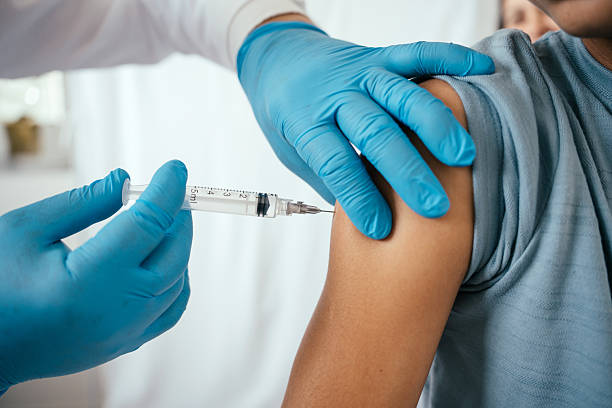
- A sharp decline in childhood immunisation is putting children’s lives at risk in South Africa, with the proportion of completely unvaccinated infants nearly tripling since 2017.
- The Department of Health warns that outbreaks of diseases such as diphtheria and whooping cough are already being detected in several provinces.
- Parents have been urged to take unvaccinated children to healthcare facilities for routine and catch-up immunisations.
A decline in immunisation is putting children’s lives at risk in South Africa as vaccine-preventable diseases continue to spread, threatening decades of public health gains, including significant reductions in infant and toddler mortality achieved in the mid-2000s.
According to the National Department of Health, the proportion of unvaccinated infants – children under the age of one who have received no vaccinations – has increased from 12.1% in 2017 to an alarming 36.3% between January and April 2026.
This has effectively tripled the number of completely unvaccinated children, leaving hundreds of infants at risk of life-threatening illnesses.
“At current rates, South Africa is unlikely to reach the World Health Organization’s critical 90% coverage threshold for childhood immunisation unless urgent interventions are implemented.
These include parents and families taking their unvaccinated children to health facilities and healthcare providers for immunisation,” said Health Department spokesperson Foster Mohale.
Mohale says the consequences of declining immunisation coverage include the resurgence of serious vaccine-preventable diseases, the erosion of community or herd immunity, and higher rates of long-term disability and death among infants.
This is no longer a theoretical risk, with active outbreaks occurring in multiple provinces across the country.
Sporadic cases of diphtheria, a serious bacterial infection that affects the nose and throat and can obstruct breathing, have been detected, primarily in the Western Cape, underscoring gaps in booster coverage and disease surveillance.
Pertussis, commonly known as whooping cough, has also been identified in several provinces, predominantly affecting infants under six months who are too young to be fully vaccinated.
Mohale says this pattern signals a failure of herd immunity to protect the country’s most vulnerable.
“Disease outbreaks can disrupt children’s early development through prolonged school absence and reduced access to structured learning, with potential negative effects on mental well-being,” he added.
Parents have been encouraged to protect their children against vaccine-preventable diseases by visiting their nearest healthcare facility or provider for routine and catch-up immunisations.
READ NEXT: