The government says this recognises their contribution to society, while critics, however, question whether taxpayers should fund hereditary leadership in a constitutional democracy.
Zuko Komisa
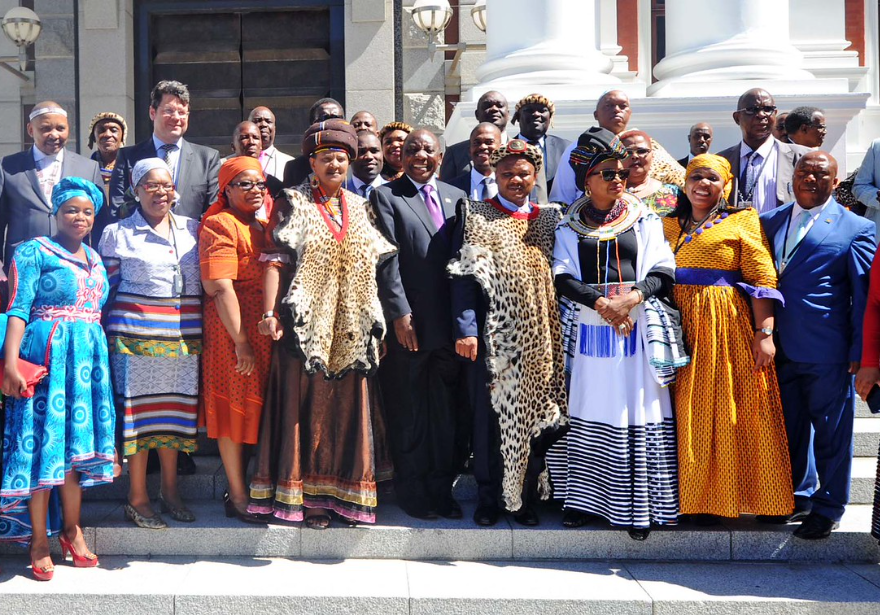
President Cyril Ramaphosa has announced plans to normalise the remuneration of South Africa’s traditional leaders, promising salaries, medical aid, and pensions on par with standard public servants.
The commitment was made during an election and volunteer drive in the Eastern Cape’s Chris Hani region, where Ramaphosa and provincial Chairperson Oscar Mabuyane met with local leaders, including King Dalimvula Matanzima at Qamata Great Place.
The initiative aims to formalise the financial security of leaders who have historically managed rural governance and cultural preservation.
According to an official statement on the policy shift, the phased plan ensures that “recognised traditional leaders eventually receive salaries, medical aid, pensions and other benefits comparable to those of public servants.”
While the African National Congress frames the decision as a necessary recognition of community service, the timing amidst an intense push for electoral support has drawn criticism.
Opponents question the use of public funds for hereditary roles, particularly at a time when many local municipalities face severe service delivery failures.
In a recent Drive Moment on Drive 959 there was a conversation about whether traditional leaders should be paid and receive benefits like other public servants?
Listen to the full conversation here:
READ NEXT: Government ordered to pay R650,000 to a woman shot four times with rubber bullets