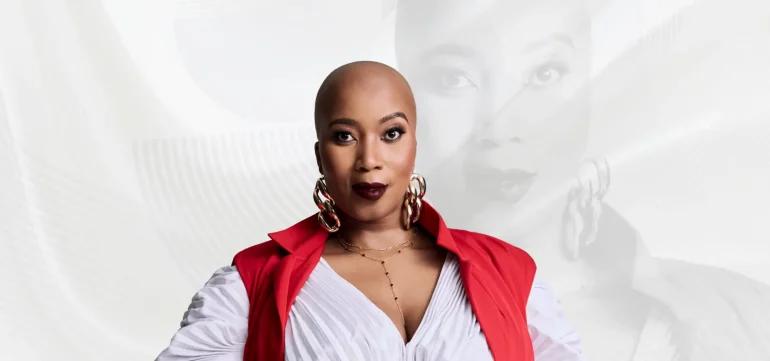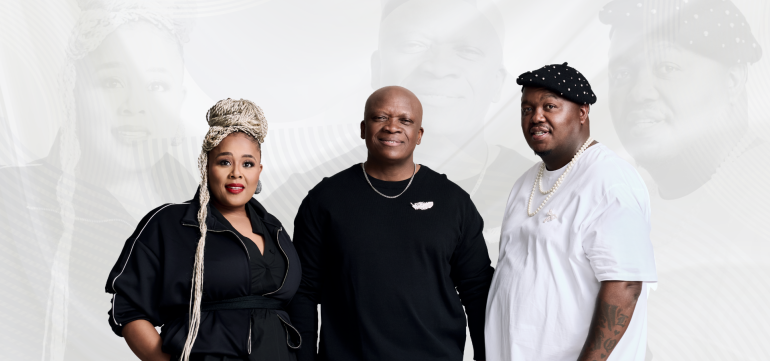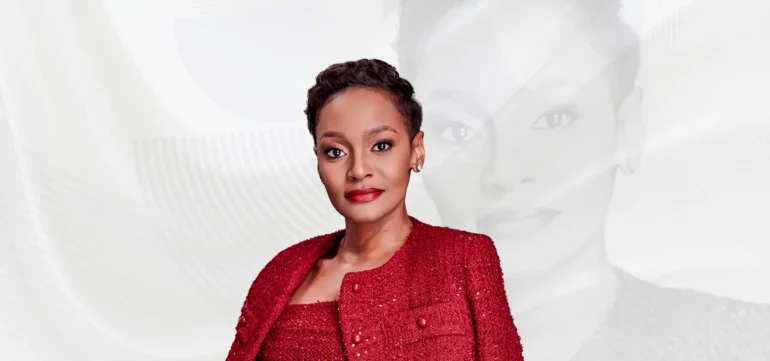
The legendary Mahotella Queens, led by 83-year-old Hilda Tloubatla, speak to Kaya 959 about their new album Buya Buya, the challenges of the music industry, and keeping Mbaqanga music alive.
Bulelwa Hoala
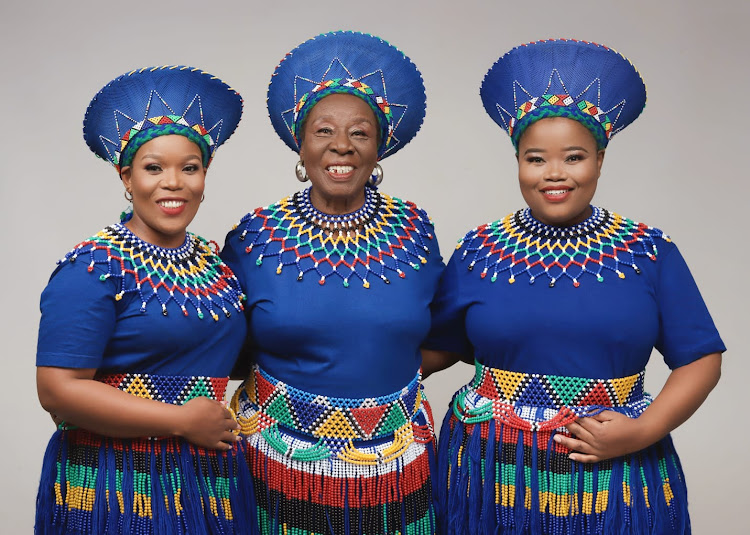
Originally formed in 1964 and popularly known for performing alongside the late Mahlathini Simon Nkabinde, the Mahotella Queens are an iconic South African female group.
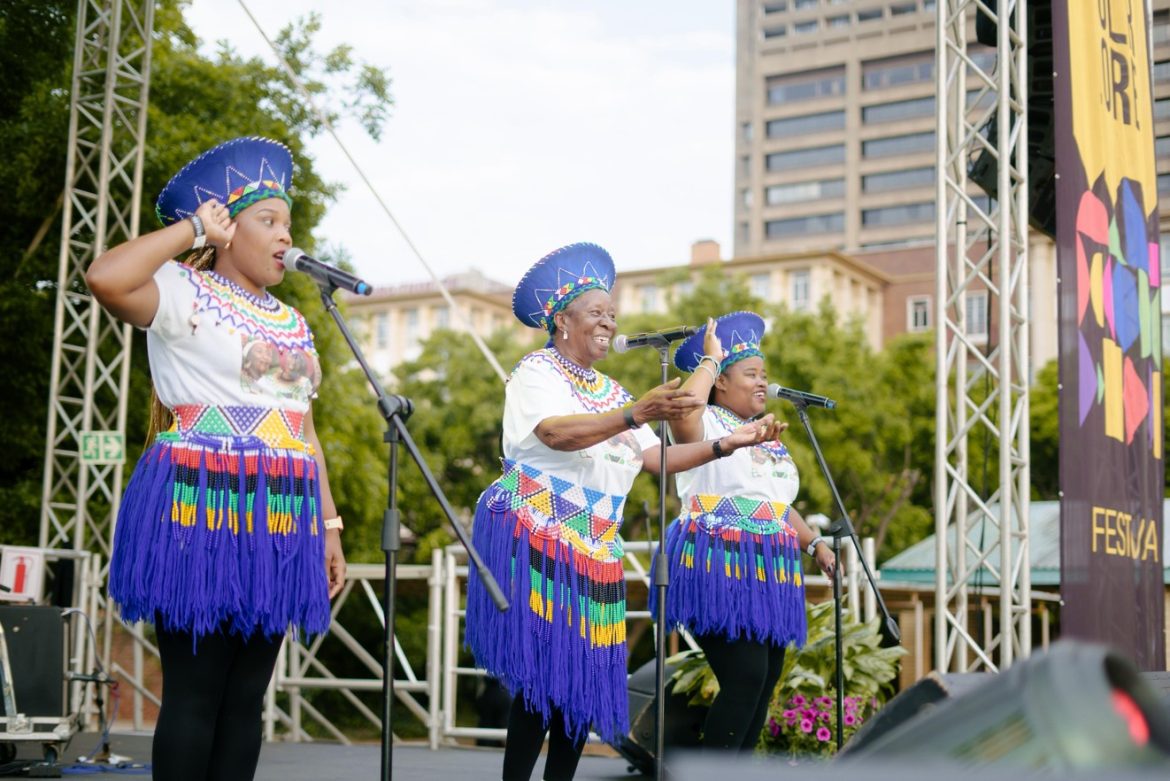
In 1991, they performed in New York’s Central Park to an audience of 500 000 and recently headlined the World Music and Dance Festival in Hokkaido, Japan in August 2025 and the Folklore Festival here at home.
The group has faced hardship with the passing of Nobesuthu Mbadu Shawe and the grave illness of Mildred Mangxola.
However, founding member Hilda Tloubatla (83) is still going strong, with new singers Amanda Nkosi and Nonku Maseko by her side.
In celebration of Heritage Day, the Queens, who released their latest album Buya Buya: Come Home in July 2025, spoke to Kaya 959 about the challenges of the music industry and their mission to keep Mbaqanga music alive.
Q: The Mahotella Queens have been around since 1964. What does it mean to still headline festivals today?
Mam’ Hilda: God has been amazing in my life. Festival-goers get to see a granny dancing! I started in 1964 at 22 years old, and now, at 83, I’m still on stage. These two young ladies can tell you—Gogo still has it. The Folklore Festival was a big, beautiful show.
Q: The music industry has changed so much since then. How have you managed to remain relevant?
Mam’ Hilda: It’s changed totally. Radio, TV, everything. Having these two young ladies with me has helped us adapt while staying true to who we are.
Q: How did Amanda and Nonku join the group?
Mam’ Hilda: I first replaced Mildred Mangxola, who fell ill in 2013, with Amanda. Then, after Nobesuthu Mbadu Shawe passed away in 2017, I brought in Nonku. I had seen both of them performing in Boksburg years earlier and knew they could carry our sound. Today, they’ve blossomed into beautiful, strong performers.
Q: Amanda and Nonku, you’re both young. With so many music genres today, why choose traditional music?
Amanda: The name Mahotella Queens carries so much weight. I grew up listening to them. Joining was an honour and a dream come true. For me, traditional music is a lifestyle. It was natural.
Nonku: I came from gospel. I saw myself with Joyous Celebration one day. But joining the Queens changed me. I fell in love with traditional music. Now I can’t imagine doing anything else but Mbaqanga.
Q: How do you balance preserving tradition with modern influences?
Nonku: It’s not hard to fuse. We recently released our new album Buya Buya, full of songs older than me, like “Salang”. Listening to it brought me to tears. It shows how music speaks to the soul. We also do collaborations, but always know our calling.
Q: What’s been your favourite collaboration so far?
Amanda: Definitely with Cassper Nyovest on “Malome.” Performing it at the Global Citizen Festival was surreal. Nonku and I cried happy tears, even though I had a hip injury.
Watch the video below:
Q: And your dream collaboration?
Mam’ Hilda: We’re open, but it has to be with the right artist who understands our music and heritage.
Amanda and Nonku: Sjava!
Q: How do you prepare for performances? Do you still get nervous?
Amanda: We always pray together before going on stage. Mama taught us discipline, respect, and time management. Crowds differ, but once we’re on stage, we give it our all.
Q: What’s your favourite song to perform right now?
Nonku: We all have our favourites, but every performance feels special. The music lives in us.
Q: Tell us about your new album Buya Buya.
Amanda: It dropped in July 2025 and is on all platforms like Spotify, YouTube, iTunes, Deezer, Amazon. It’s a reminder of where we come from as Africans. Some tracks make you dance, others carry deep messages. The response has been amazing. It even charted globally. Fans can also order vinyl or CDs through our pages.
Q: You recently performed in Japan. How was that experience?
Amanda: Incredible. We hadn’t travelled abroad since 2019. Performing for 30 000 people who didn’t even understand our language but connected through music. That’s the true power of song.
Q: What changes would you like to see in the South African music industry?
Amanda: People in high places must stop being selfish. We need fair royalties and recognition. Talent shouldn’t be judged by social media followers.
Nonku: We’re celebrated abroad but often overlooked at home. Heritage is not seasonal.
Mam’ Hilda: In the past, record companies took care of us. Today, there are no royalties, few shows, and little airplay. It’s painful that our own music isn’t supported here, yet it’s celebrated overseas. Promoters need to know the Queens are still here and still strong.
Q: Finally, what advice would you give young women who want to enter the music industry?
Amanda: Know your purpose. Don’t do it just for fame. Love what you do, find your uniqueness, and get mentors.
Nonku: Be sure of your calling. Music is not for the faint-hearted. Love it, or you’ll struggle.
Mam’ Hilda: In our time, discipline and respect were everything. Lyrics had to mean something, melodies had to be original. I’d say make real music that respects your audience, and you will last.
READ NEXT: Gregory Porter’s ‘Love is King Tour’ moves to Montecasino with added dates for Jozi