Zuko Komisa
The University of Cape Town (UCT) has taken a significant step towards linguistic inclusivity by officially incorporating isiXhosa as a primary language for university-wide communications, alongside English and Afrikaans.
This landmark decision, reflected in the university’s revised language policy, aims to promote and elevate historically marginalised indigenous languages.
As part of the new policy, UCT encourages undergraduate students lacking proficiency in any indigenous South African language to enroll in an isiXhosa communication course.
Professor Lolie Makhubu-Badenhorst, director of UCT’s multilingual project, highlighted the crucial role language plays in student success.
“Language greatly influences a student’s ability to access and engage with knowledge,” Professor Makhubu-Badenhorst explained.
“If we rely solely on languages that are foreign to our students, we risk creating barriers to learning. Effective communication in a language familiar to students is essential for meaningful education.”
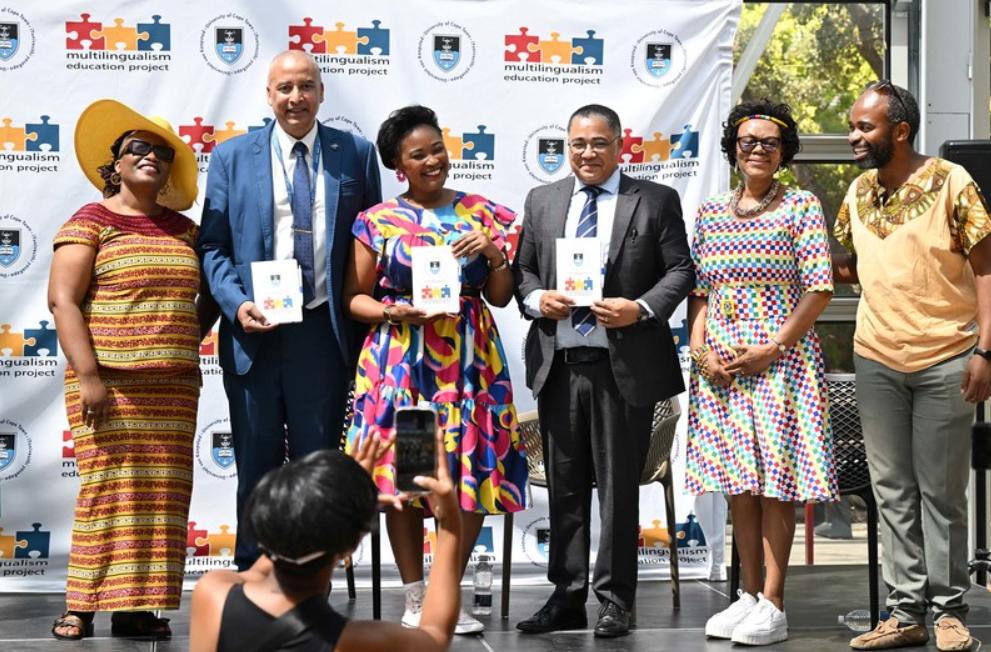
The move underscores UCT’s commitment to fostering a more inclusive and equitable learning environment.
Beyond isiXhosa, the updated policy also identifies Afrikaaps (Kaaps), South African Sign Language (SASL), Khoekhoegowab, and N|uu for further development and support, signaling a broader effort to recognise and celebrate the rich linguistic diversity of South Africa.
This initiative positions UCT as a leader in promoting multilingualism within higher education.
READ NEXT: ‘I am facing a period of trial’ – Pope Francis shares message from hospital