Zuko Komisa
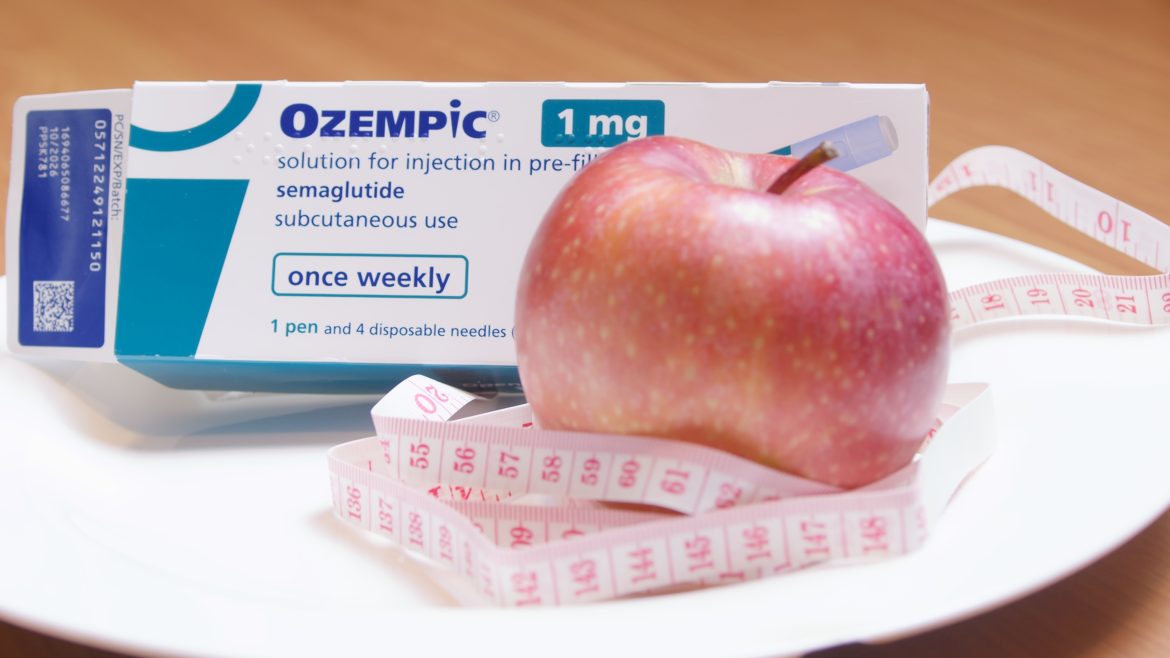
Ozempic and other fake Glucagon-like Peptide (GLP-1) items are becoming more and more common on the local market, which has alarmed the South African Health items Regulatory Authority (SAHPRA).
A rise in suspected counterfeit Ozempic, also known as semaglutide, a registered medicine from Novo Nordisk that contains GLP-1 agonists, has been detected by SAHPRA.
In South Africa, Ozempic is registered under two types of pre-filled injectable pens, specifically 0.25 mg and 0.5 mg/dose pen and 1 mg/dose pen, according to SAHPRA.
Products that include GLP-1, such as Ozempic, which lower blood sugar and aid in weight reduction, are being made publicly available via websites, social media, and other unofficial means, according to SAHPRA.
“These pose a health risk to the public. SAHPRA cautions the public to not purchase and/or consume such products as their safety, efficacy, and quality have not been assessed.”
“Ozempic is registered in South Africa for the treatment of adults with type 2 diabetes to reduce blood sugar levels for the treatment of adults with insufficiently controlled type 2 diabetes mellitus as an adjunct to diet and exercise. Ozempic is not registered in South Africa for weight management, “The complexity of compounding GLP-1 agonists, which are sterile medicines containing complex active substances poses a public health and safety risk.
“The risk associated with compounded medicines containing GLP-1 agonists are posed by the absence of the evaluation of these medicines by SAHPRA and the unknown nature and safety of ingredients used in compounding.” said the South African Health items Regulatory Authority (SAHPRA).
Kaya Biz spoke to Deon Poovan, he is the Acting Chief Regulatory Officer at SAHPRA.
Listen to the full conversation here:
READ NEXT: Joburg Water to implement water reduction in high-usage areas from Monday
![[WATCH PODCAST] Kabelo Mabalane teams up with The Arrows for infectious comeback track ahead of 10th studio album](https://www.kaya959.co.za/wp-content/uploads/2026/10/KAYA-959-THUMBNAILS-1170x658.png)

![[WATCH PODCAST] Kabelo Mabalane teams up with The Arrows for infectious comeback track ahead of 10th studio album](https://www.kaya959.co.za/wp-content/uploads/2026/10/KAYA-959-THUMBNAILS-100x100.png)