Katlego Sekhu
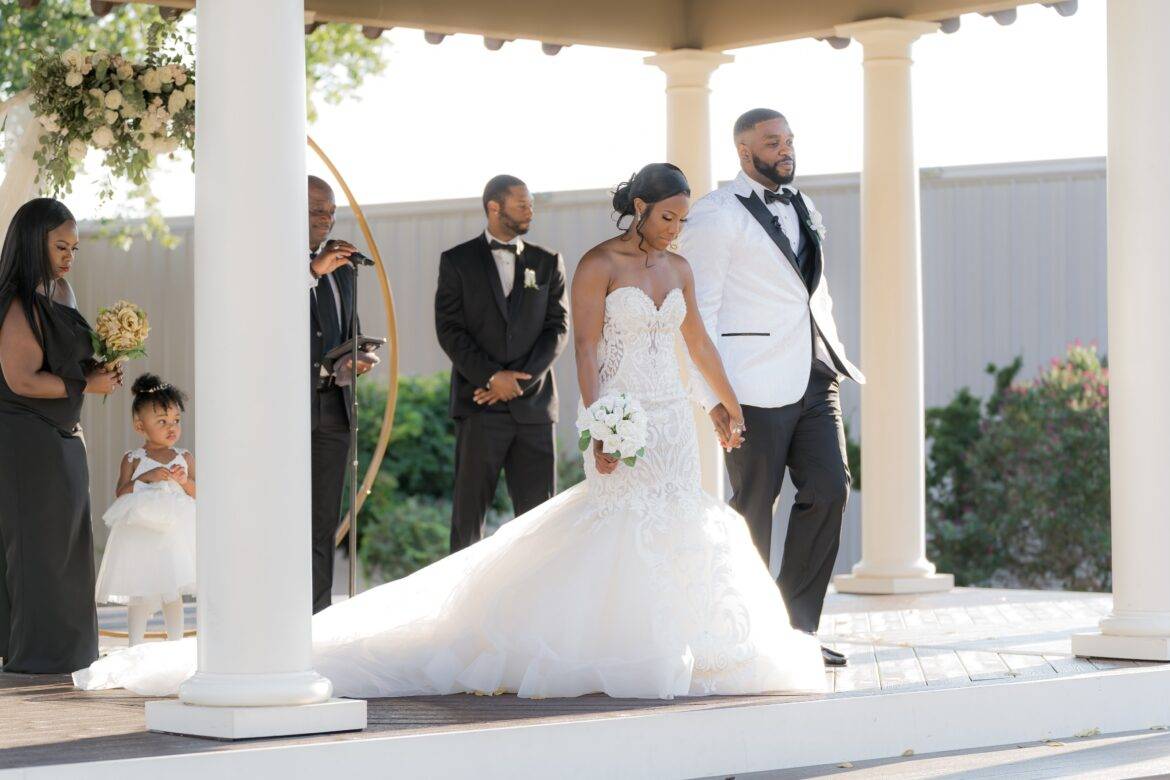
Family Lawyer Ceri von Ludwig recently joined 959 Breakfast to provide clarity on the concept of spousal support, the qualifying factors for spousal support, and the considerations leading to an award of spousal support from one’s former spouse.
According to Ludwig, people are often taken aback when they find themselves in a situation where they may have to pay their former partner.
She explains, “They don’t like the other person and want to be free from them. So to be told that they might have to pay them for what we call maintenance is something that is abhorrent to them.”
Ludwig emphasizes that our legislation has a clear principle, and we should be cautious about relying too heavily on overseas cases for guidance.
To illustrate her point, Ludwig uses the clean-break principle. “The courts do understand that when people do want to get out of a marriage, they want to be away from each other. What usually ties people together is their children.
“So the courts do look at spousal support cases much more casually and with a lot more examination of the facts. Child maintenance is automatic because your children can’t go and look after themselves,” she said, cautioning that spousal maintenance is not automatic.
She highlights that the “burden of proving that they need it” lies with the person who says they spousal support, highlighting two basic steps that must be followed.
“Need: The person who wants it has to show that they need it. And ability; the person whom you want to pay it has to have the ability to pay it.”
According to Ludwig, many people make a mistake by starting at the wrong step. They assume that being married to a wealthy individual automatically entitles them to maintenance.
In essence, spousal support aims to ensure individuals have shelter and sustenance in line with their established socioeconomic lifestyle.
Read Next: “My boyfriend doesn’t want to leave his sugar mama because she gives us money”: The Blind Spot
![[WATCH PODCAST] Kabelo Mabalane teams up with The Arrows for infectious comeback track ahead of 10th studio album](https://www.kaya959.co.za/wp-content/uploads/2026/10/KAYA-959-THUMBNAILS-1170x658.png)

![[WATCH PODCAST] Kabelo Mabalane teams up with The Arrows for infectious comeback track ahead of 10th studio album](https://www.kaya959.co.za/wp-content/uploads/2026/10/KAYA-959-THUMBNAILS-100x100.png)