
By: Natasha Archary

“As long as you’re living in my house, you will obey by my rules!”
That has to be the most used line by a parent, when dealing with disobedient kids or teenagers.
It goes without saying, parents have a standard they want their children to meet, and will often make decisions for their kids to ensure these are met.
But at what age do you allow your kids to make their own decisions, and take a step back? If at all?
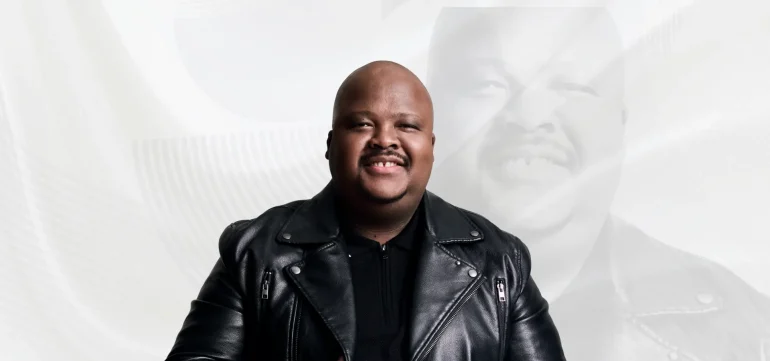
For Skhumba, who’s raising a 16-year old daughter, his role in his kids lives doesn’t have an end-date. The Kaya 959 presenter believes that as a parent, he should always have a say in his kid’s lives, regardless of how old they are.
Thomas who is also a father to teenagers takes a more chilled approach provided they are above the legal age.
Until then, it boils down to what they’re allowed to do and what they’re not allowed to do, and on this one both Kaya Drive stand-in presenters are in agreement.
Skhumba actually used the “my house, my rules” line when he addressed issues of defiance from his kids, and said there will be no such thing in his home.
The one thing both presenters, and most parents will not tolerate is disrespect from their kids, and rightly so, but will they allow their kids to make age appropriate decisions by themselves?
That would depend on whether it’s general every day decisions, such as what to eat, watch, where to go, or how they’re spending their free time.
However, the bigger decisions, such as curfew, what’s considered appropriate dressing, having a boyfriend or girlfriend, staying out late, smoking, and drinking, or getting a tattoo for example, are all not happening until it is parentally approved.
Listen to the conversation on Kaya Drive:
Allow your teenagers to own their independence
When parenting teenagers remember just one thing. Independence. They want to be given an opportunity to figure things out for themselves. Parents on the other hand who have made their fair share of mistakes in their teen lives, project this onto their kids and in turn, it only alienates your child. A teen who is attempting something difficult (read: outrageous) or impossible in your eyes, needs support more than judgement.
This is a step that many parents get wrong. A teenager who is engaging with a parent on these challenges doesn’t want you to try to transform these challenges or “show them the way.” No, they want your support.
Parents want things done their way and often a teen acting out is not rebellion against the parent, it’s just directed towards them. The teenage years are a hodge podge of mixed emotions and hormonal, pubescent changes, a confusing time indeed. They’re dealing with a lot, so instead of enforcing the rules, which are bound to be broken anyway, switch up your approach and instead offer, “Can you help me understand what you need?”
When parenting a teen, a little compassion and understanding go a long way. You have to deal with being unwanted and the awkward silences and as difficult as it is, you’ll have to let the consequences of their actions play out. Isn’t that how lessons are learnt?
Also read: Anonymous seeks support amid husband’s parenting neglect: The Blind Spot
![[WATCH PODCAST] Kabelo Mabalane teams up with The Arrows for infectious comeback track ahead of 10th studio album](https://www.kaya959.co.za/wp-content/uploads/2026/10/KAYA-959-THUMBNAILS-1170x658.png)

![[WATCH PODCAST] Kabelo Mabalane teams up with The Arrows for infectious comeback track ahead of 10th studio album](https://www.kaya959.co.za/wp-content/uploads/2026/10/KAYA-959-THUMBNAILS-100x100.png)