
By: Natasha Archary
Given the history and the unfair treatment that black people were subjected to, is there a sense that black people sweep things under the carpet to protect each other?
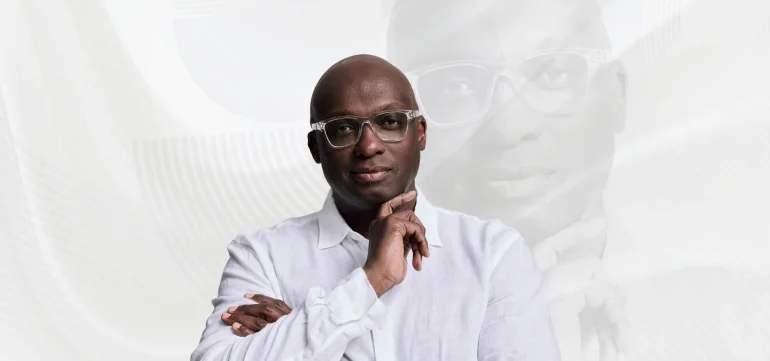
Sizwe Dhlomo opened the conversation up with a very controversial take on the topic, one dating back to 1619 when slavery was rife in America.
The days when black women would turn a blind eye on any wrong-doings by a black man whether he was her partner or not.
“They did this so the white man wouldn’t punish or kill the black man who did something wrong. What’s unfortunate is that it’s still happening today, which is why so many black women, even if they are being abused by a black man, won’t speak up or report him.”
Sizwe Dhlomo on whether black people choose to hold each other accountable
But does this protective behaviour extend further into the collective black society?
Perhaps, based on listener responses to the conversation, with many attesting to the complacency black people afford one other because they share the same race.
“Because black people have been racially profiled for such a long time, and we understand that pain, the stigma that’s attached to black people, it’s understandable that many will have their backs up against the wall.
When it comes to issues that are political in nature, yes, we know there’s corruption and that the country is in turmoil but people would rather deal with that than go through another cycle of apartheid again.”
The only downfall to this is that there are people who will then exploit their own race by playing on this emotion. As one listener pointed out, when one travels to other parts of the continent and you encounter this.
“Africa is a perfect example of how we don’t hold each other accountable. It’s always, ah my sister make a plan for me, I’m your brother.”
Listen to the conversation on Kaya Drive:
Mbali Dhlamini, admits that sometimes it’s easier to sweep things under the carpet, not to protect other black people but to protect herself.
Experience has taught her that sometimes wanting to do the right thing can often cause more harm than good, which is why she would rather not hold other people accountable.
This is evident when a crime is being committed in full view of witnesses. Because people are so terrified that they will suffer the consequences if they intervene or try to stop criminals, they would rather pretend they didn’t notice anything.
It’s also a question about power and black people in general feel powerless because of being oppressed for so long, many still feel like they don’t have a voice.
People who grow up in poverty due to systemic racism, in many ways are still the victim. But the mainstream society portrays the message, “stop playing the victim.”
Sizwe brought up a key point, about people of colour always considering being part of a community, which is a concept that doesn’t apply to white people.
“If someone does wrong in a black community, coloured community or Indian community, why is the entire community brandished in the same light? But when a white person does something wrong, it’s not the entire white population that’s labelled or held accountable, it’s just that white individual.”
Also read: It’s finally here: SA’s first-ever mopane worm chocolate




![[WATCH PODCAST] Mr. Mercedes drops highly anticipated project, joining forces with Thabo Smol and Spice Drums](https://www.kaya959.co.za/wp-content/uploads/2026/10/KAYA-959-THUMBNAILS-79-100x100.png)
![[WATCH PODCAST] Tumisho Masha commands the screen as colonel Jack Phatudi in M-Net’s new must-watch series](https://www.kaya959.co.za/wp-content/uploads/2026/10/KAYA-959-THUMBNAILS-78-100x100.png)