

Zuko Komisa
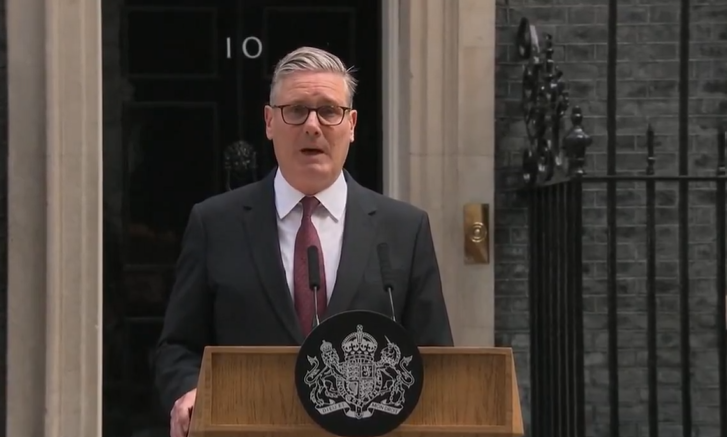
- Prime Minister Keir Starmer will step down after days of intense cabinet and backbench pressure.
- Labour MPs, alarmed by the electoral threat from Reform UK, demanded an exit timeline following Andy Burnham’s by-election victory in Makerfield.
- Starmer will remain in Downing Street until a leadership contest or a direct handover of power is finalised.
Keir Starmer has announced his resignation as Prime Minister less than two years after securing a historic general election victory.
The decision follows intense pressure from Labour MPs and cabinet ministers, intensified by Nigel Farage’s Reform UK party and the Westminster return of Andy Burnham.
The Prime Minister’s position became untenable over the weekend following private warnings from more than half a dozen cabinet ministers that his time was up.
Despite initially insisting he would fight any leadership challenge, conversations with senior colleagues and time spent with his wife, Victoria, at Chequers led to a decisive shift in his thinking. His departure concludes a steep decline in authority, driven by public dissatisfaction, falling poll ratings, and controversial policy decisions.
A Downing Street press release confirmed the transition of power, stating:
“The Prime Minister will remain in post until a successor is chosen, ensuring stability for the country while the Labour Party concludes its leadership process.”
Starmer’s exit triggers a potential race to find the UK’s seventh prime minister in ten years. Andy Burnham, the former Mayor of Greater Manchester who successfully saw off Reform UK in the Makerfield by-election, is considered the frontrunner.
The party now faces the choice of a full leadership contest to test the incoming leader or a swift coronation to minimise further damage to Labour’s public standing.
READ NEXT: Major blow to smuggling syndicates as SAPS seizes Copper worth R12.6 million in Johannesburg