By: Natasha Archary
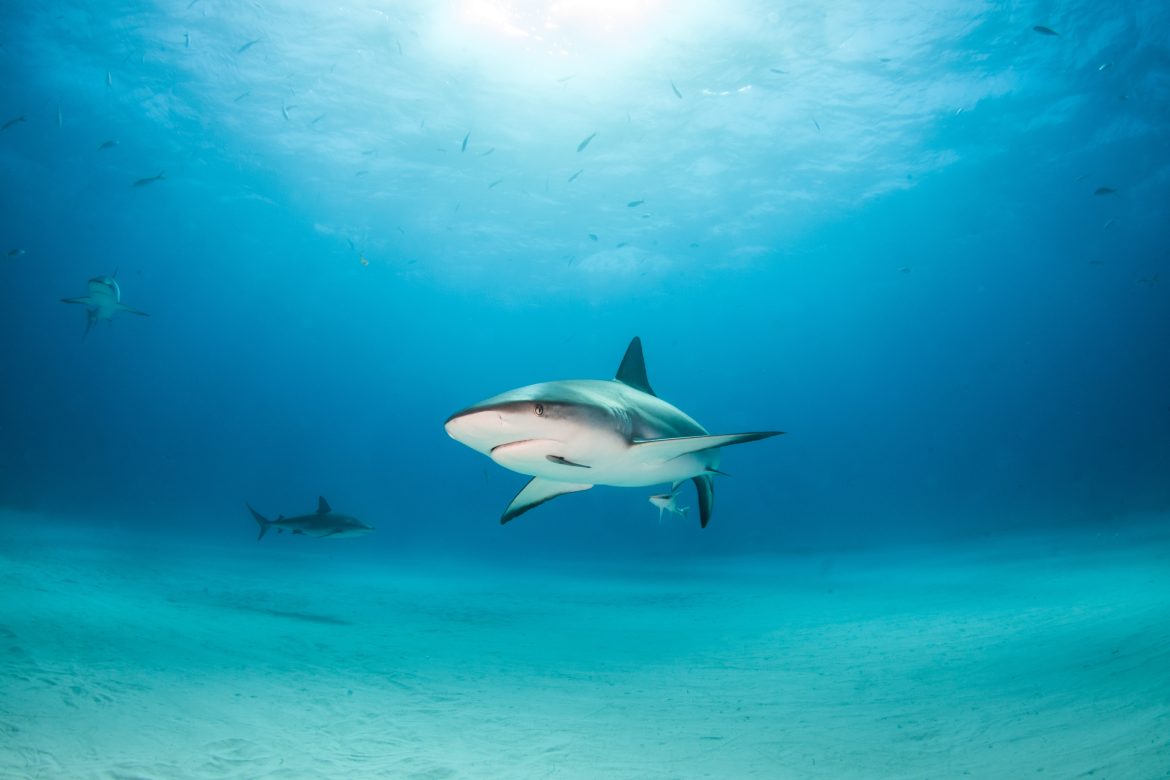
Marine biologists and environmental researchers have recently uncovered an alarming phenomenon: sharks testing positive for cocaine.
This unusual finding has sparked a wave of concern and curiosity within the scientific community and among the general public.
The discovery was made during routine research expeditions in coastal waters known for both their rich marine biodiversity and high levels of human activity. Scientists were initially conducting studies to monitor the health and population of various shark species. However, their research took an unexpected turn when they found traces of cocaine in the tissues of several sharks.
In the study entitled Cocaine Shark, published in Science of the Total Environment, 13 wild sharks which were caught in fishing nets off the coast of Rio de Janeiro were dissected and tested.
Scientists say all 13 sharks tested positive for cocaine, raising concern over the impact on illegal drug use on marine life.
How Does Cocaine End Up in the Ocean?
Cocaine, a potent stimulant drug, primarily enters marine environments through illicit drug trafficking and human waste. Coastal waters, especially those near major cities, often serve as dumping grounds for illegal substances to evade law enforcement.
Additionally, drug users excrete the substance, which can make its way into waterways through sewage systems. Once in the water, cocaine can be absorbed by marine organisms, leading to contamination of the food web.
The presence of cocaine in sharks raises serious concerns about the health and behavior of these apex predators. Although the exact physiological effects of cocaine on sharks are not yet fully understood, studies on other animals suggest potential risks.
Cocaine is known to affect the nervous system, potentially altering a shark’s behavior, hunting efficiency, and reproductive capabilities. These changes could have cascading effects on marine ecosystems, given sharks’ critical role in maintaining the balance of oceanic life.
Scientists said that sharks off the coast of #Brazil’s party city #Rio de Janeiro have tested positive for cocaine. #sharks #narcotics pic.twitter.com/2MbJZaBqb1
— China Daily (@ChinaDaily) July 26, 2024
Also read: City Power “will collapse” if R200 surcharge is scrapped




![[WATCH PODCAST] Mr. Mercedes drops highly anticipated project, joining forces with Thabo Smol and Spice Drums](https://www.kaya959.co.za/wp-content/uploads/2026/10/KAYA-959-THUMBNAILS-79-100x100.png)
![[WATCH PODCAST] Tumisho Masha commands the screen as colonel Jack Phatudi in M-Net’s new must-watch series](https://www.kaya959.co.za/wp-content/uploads/2026/10/KAYA-959-THUMBNAILS-78-100x100.png)