
By Zuko Komisa
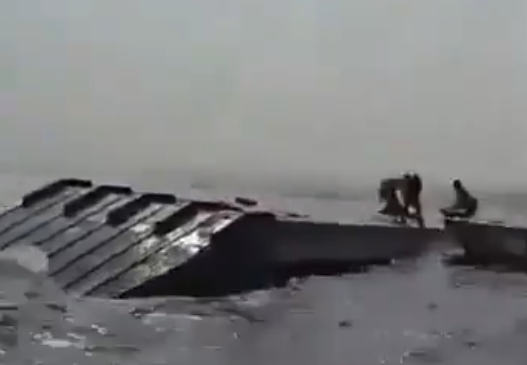
- An overcrowded ferry capsized in strong waves on Lake Kariba, Zimbabwe, on Tuesday, 11 August 2026.
- At least 44 people have been confirmed dead, with ongoing search operations for missing passengers.
- South African President Cyril Ramaphosa offered his condolences, while specialised aquatic rescue units continue search efforts
At least 44 people have died and several remain missing after an overcrowded ferry overturned in severe weather on Lake Kariba, Zimbabwe, on Tuesday, 11 August 2026.
The vessel, which connects the northern town of Kariba with surrounding islands and fishing communities, capsized after being struck by strong waves.
Despite a maximum capacity of 90, the boat was carrying over 119 passengers and crew, including young children.
In the immediate aftermath, emergency teams rescued 77 survivors and launched extensive search operations across the world’s largest man-made reservoir.
Assessing the emergency response, Zimbabwe’s Civil Protection Unit (CPU) confirmed:
“A specialised aquatic rescue unit has been airlifted to the site to assist in the search for the remaining unaccounted passengers, while local funeral services have been engaged to process the deceased.”
On Thursday, South African President Cyril Ramaphosa extended his condolences to the government and people of Zimbabwe following the updated death toll.
“As South Africans, we stand in solidarity today with the nation of Zimbabwe as we mourn this extensive loss of life,” President Ramaphosa stated.
“We wish survivors a speedy recovery and we pay tribute to the emergency services who are working tirelessly to support and bring closure to affected families and communities.”
Search operations on the lake remain ongoing.
This was the chaotic scene during boarding of the doomed Mbuya Nehanda ferry on a recent voyage from rural Nyaminyami to Kariba urban – a tortuous 5-hour journey. The government-owned boat capsized at Lake Kariba on Tuesday carrying over 100 people.
— ZimLive (@zimlive) August 12, 2026
📹 @mutsamu pic.twitter.com/nDutG4cKdS
.
READ NEXT: ‘Some mine managers are involved’: Expert unpacks South Africa’s zama zama crisis