

By Mapaballo Borotho
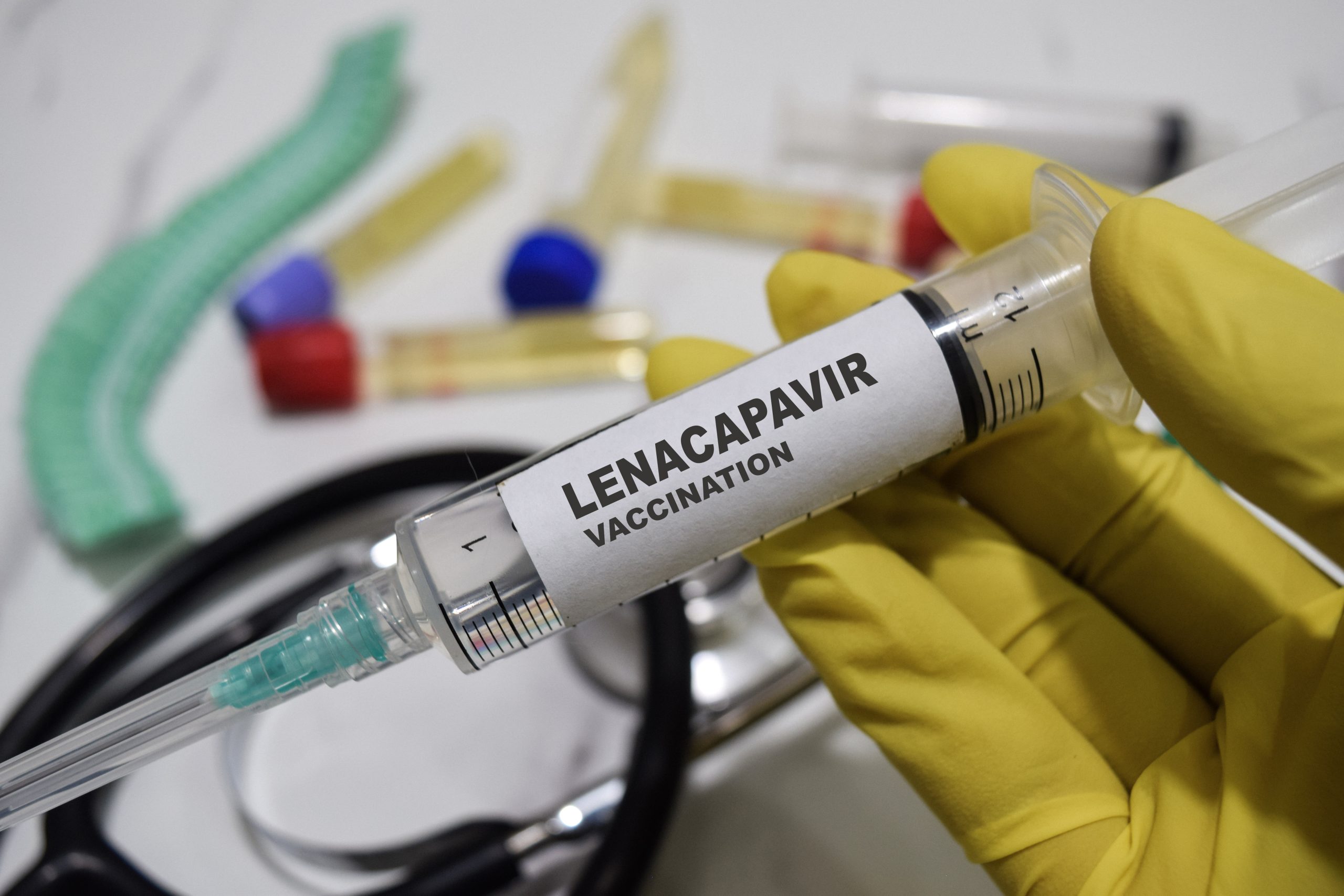
- Gauteng will begin rolling out the long-acting HIV prevention injection Lenacapavir at 133 health facilities from 8 June 2026.
- The injection is administered only twice a year and provides an alternative to daily oral PrEP for HIV-negative individuals at high risk of infection.
- The first phase will prioritise young people, sex workers, key populations and pregnant or breastfeeding women who remain vulnerable to HIV.
The Gauteng Department of Health will officially begin administering a groundbreaking long-acting HIV prevention injection on Monday, 8 June 2026.
The injection, known as Lenacapavir, offers eligible HIV-negative individuals protection against HIV infection through a twice-yearly injection, providing an alternative to daily oral HIV prevention medication.
According to Gauteng Department of Health spokesperson Steve Mabona, Gauteng has been identified as a key implementation site for the first phase of the programme due to its large population and high HIV burden.
“The province will introduce Lenacapavir at 133 facilities across Johannesburg, Tshwane, Ekurhuleni, Sedibeng and the West Rand, targeting populations at high risk of HIV infection,” said Mabona.
What is Lenacapavir?
Lenacapavir is a long-acting injectable form of pre-exposure prophylaxis (PrEP) designed to help prevent HIV infection in HIV-negative individuals who are at substantial risk of contracting the virus.
The injection complements existing HIV prevention methods, including oral PrEP, HIV testing services, condom use, voluntary medical male circumcision and post-exposure prophylaxis (PEP).
Administered once every six months, Lenacapavir offers a convenient option for people who may struggle to take daily HIV prevention medication consistently.
Who will receive it first?
The first phase of the rollout will prioritise groups that remain disproportionately affected by HIV, including:
- Adolescent girls and young women
- Adolescent boys and young men
- Sex workers
- Men who have sex with men
- Transgender persons
- People who inject drugs
- Pregnant and breastfeeding women
Health authorities believe the introduction of Lenacapavir could significantly strengthen HIV prevention efforts and help reduce new HIV infections in South Africa, which continues to carry one of the world’s highest HIV burdens.
READ NEXT: The first 38 000 doses have arrived: Could this shipment end the HIV epidemic?