

Katlego Sekhu
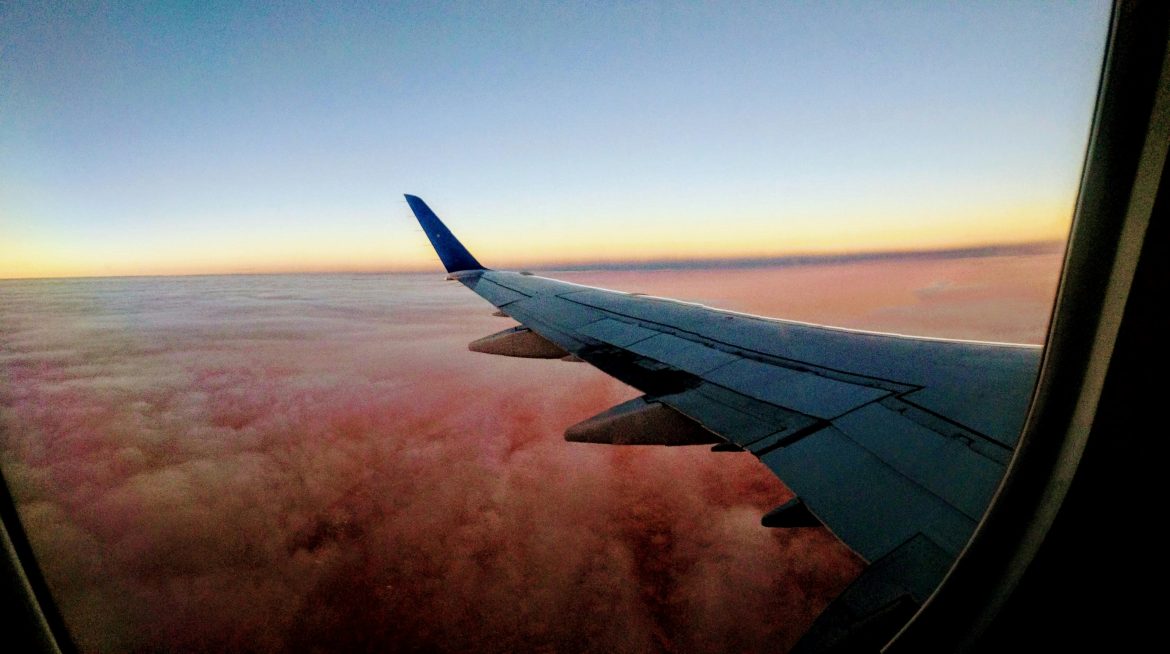
Singapore Airlines recently confirmed the passing of a passenger on board a flight that encountered extreme turbulence.
The flight from London to Singapore on Monday, May 20, had to be diverted to Bangkok and landed on Tuesday, May 21. This resulted in several passengers sustaining injuries, and a 73-year-old British man did not survive.
In a statement, Singapore Airlines Chairman, Peter Seah said the airline would be reaching out to family members and loved ones where possible to provide updates and offer any support.
“On behalf of the Singapore Airlines Board, I extend my deepest condolences to the family and loved ones of our passenger who passed away on 21 May 2024.
“I assure all passengers and crew members who were on board the aircraft that we are committed to supporting them during this difficult time.
“I also wish to express my gratitude to everyone in Singapore, Thailand and around the world who are assisting those affected by this incident.”
Days later, a Qatar Airways flight to Dublin from Doha encountered severe turbulence over Turkey, with 12 passengers and crew sustaining injuries, which the airline described as minor.
A forecaster at SA Weather Services, Lehlogonolo Thobela, joined Siz The World to discuss how climate change impacts these more frequent and severe turbulence incidents.
Read Next: City of Joburg EMS on scene at a factory fire in China Mart





![[WATCH PODCAST] Kabelo Mabalane teams up with The Arrows for infectious comeback track ahead of 10th studio album](https://www.kaya959.co.za/wp-content/uploads/2026/10/KAYA-959-THUMBNAILS-100x100.png)