
By: Natasha Archary

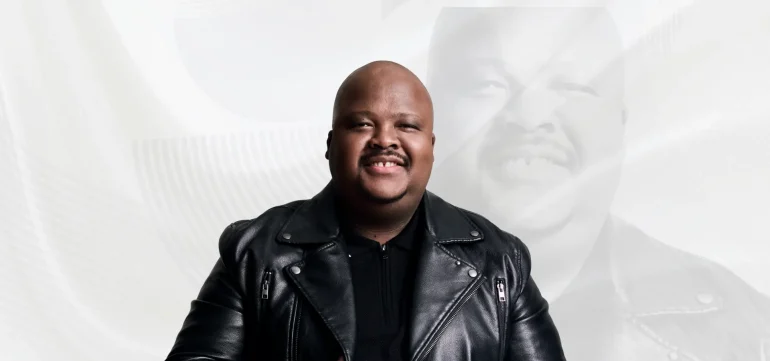
Glen Lewis opened a can of worms on Drive 959 by questioning whether lobola is just a practice of parents exchanging their daughters for money.
The Drive 959 presenter believes that lobola is a practice that puts newlyweds at a financial disadvantage because large amounts of money is paid to the bride’s family instead of being put towards the couple’s new lives together.
Traditionally, lobola isn’t just a proposal but a promise to the woman’s family that she is now “booked” to be married.
For some families the lobola is a means to secure their financial standings, with the groom paying in either cows or cash depending on what the bride’s family prefers.
The cost is determined by the bride’s father and in his absence, will be decided by her other male family members. Factors such as how educated a woman is, whether she has children out of wedlock or not, is the youngest or eldest all contribute to the amount a family asks for in exchange for their daughter.
As much as it’s a centuries-old custom, lobola can put a strain on families who don’t have the means.
Families who are not wealthy or who did not plan properly to have money saved, may be why some proposals are prolonged, at times for years.
Add to this, the cost of other marital expenses, such as rings, the traditional and white wedding ceremonies, weddings can be an expensive affair.
Lobola simplified
Shows Real Intent To Get Married: anyone can propose at any given time but paying lobola shows that you really are serious about getting married.
It’s Our Tradition: Whether we like it or not, tradition sees lobola as a proposal not just to the woman but to her family as well. So, don’t be surprised if your families don’t entertain the ring on the finger, tradition doesn’t care about rings it cares about doing things the right way, not the modern ways.
Legalities:The thing about proposals is that they’re not binding in the court of law. So, should you breakup with your partner approaching the courts might not always help however if lobola is paid then the courts will be there to assist as customary marriage is recognised in South African law.
Listen to the conversation on Drive 959:
Also read: PICS: Ayanda Thabethe’s sister Lungile is expecting a baby girl
![[WATCH PODCAST] Kabelo Mabalane teams up with The Arrows for infectious comeback track ahead of 10th studio album](https://www.kaya959.co.za/wp-content/uploads/2026/10/KAYA-959-THUMBNAILS-1170x658.png)

![[WATCH PODCAST] Kabelo Mabalane teams up with The Arrows for infectious comeback track ahead of 10th studio album](https://www.kaya959.co.za/wp-content/uploads/2026/10/KAYA-959-THUMBNAILS-100x100.png)