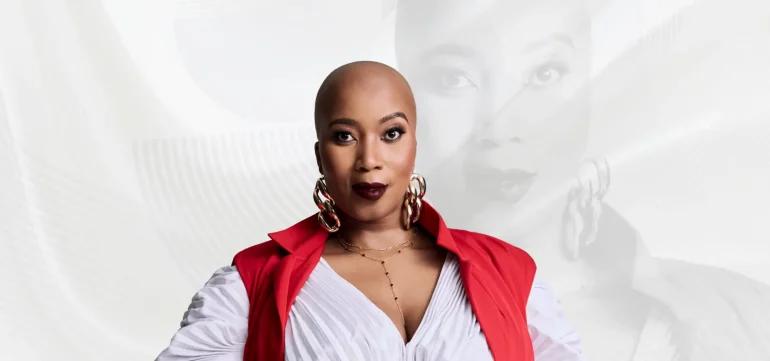

Katlego Sekhu

Dr. Siviwe Mila, a renowned medical doctor and health expert, recently joined 959 Breakfast to shed light on the pressing social issue of underage pregnancy. Dr. Mila emphasized the crucial role that healthcare specialists play in providing appropriate care to minors facing such circumstances.
Furthermore, she highlighted the responsibility of doctors to involve other relevant parties, such as social workers and the police, while also addressing the delicate doctor-patient privilege that exists in these situations.
Dr. Mila revealed alarming statistics, indicating that one in every four teenagers under the age of twenty in South Africa is pregnant. This number surged during the COVID-19 pandemic. She notes that pregnancies among individuals younger than twenty fall under the classification of teenage pregnancies, which should ideally be prevented.
When dealing with a pregnant minor, Dr. Mila stressed the utmost importance of utilizing the correct channels to ensure effective care. “Number one, the kids are scared. They don’t even know what has happened to their bodies. They had just hit their periods, and they were experimenting, and the guy told them there was nothing wrong.”
In addition to emotional support, it is equally vital to address potential health risks associated with underage pregnancies
“So it is more about creating a rapport with your patient and the importance of adding a social worker. The parents will also have to get involved. Checking for HIV and STDs is equally important because if you are found to be HIV positive, you need to be on treatment so that the chances of you spreading HIV to the child are very minimal. Also, depending on when the pregnancy is picked up, there is the option of termination.”
Dr Mila adds that there is a concerning prevalence of illegal online pill purchases, which can have fatal consequences, particularly for minors. She emphasized the importance of reporting such incidents through the appropriate channels.
“The channels of reporting that, especially to your social workers and your units responsible for sexual assaults in the police, are important. The biggest challenge that we have is that SAPS is probably understaffed and unequipped to deal with these things in terms of their sensitivity and nature.
“A normal abortion in South Africa is twelve weeks or less. They’re painful, but they’ve got fewer side effects compared to the seven-month one. In our ethics, we try to do the best that we can to do no harm in terms of the doctor-patient privilege.
“However, if it comes to a case where you are going to need consent for blood, for example, if a girl who came in said that she was pregnant and lost a lot of blood, her HB was sitting at about 3, and your HB is normally sitting at 12–13, so you can imagine it has dropped drastically.
“So now you need consent to give blood, and if they need to be taken to the theatre, you can get the superintendent to give consent, but at the end of the day, you need to let the person know because now you have to do way more procedures than ideally, you were going to do in terms of what the law covers when it comes to the termination of a pregnancy. A child cannot consent to a surgical procedure at the age of twelve.”
For the full discussion, check out the podcast.
Read Next: City of Ekurhuleni warns residents of snakes as temperatures rise
We value your feedback:
[vfb id=97]




![[WATCH PODCAST] Mr. Mercedes drops highly anticipated project, joining forces with Thabo Smol and Spice Drums](https://www.kaya959.co.za/wp-content/uploads/2026/10/KAYA-959-THUMBNAILS-79-100x100.png)
![[WATCH PODCAST] Tumisho Masha commands the screen as colonel Jack Phatudi in M-Net’s new must-watch series](https://www.kaya959.co.za/wp-content/uploads/2026/10/KAYA-959-THUMBNAILS-78-100x100.png)